Shenzhen Reunion Electronics Co.,Ltd.
News

Choosing Push-Pull Connectors for Medical Devices: Key Factors to Consider

2026-09-22 0 Leave me a message

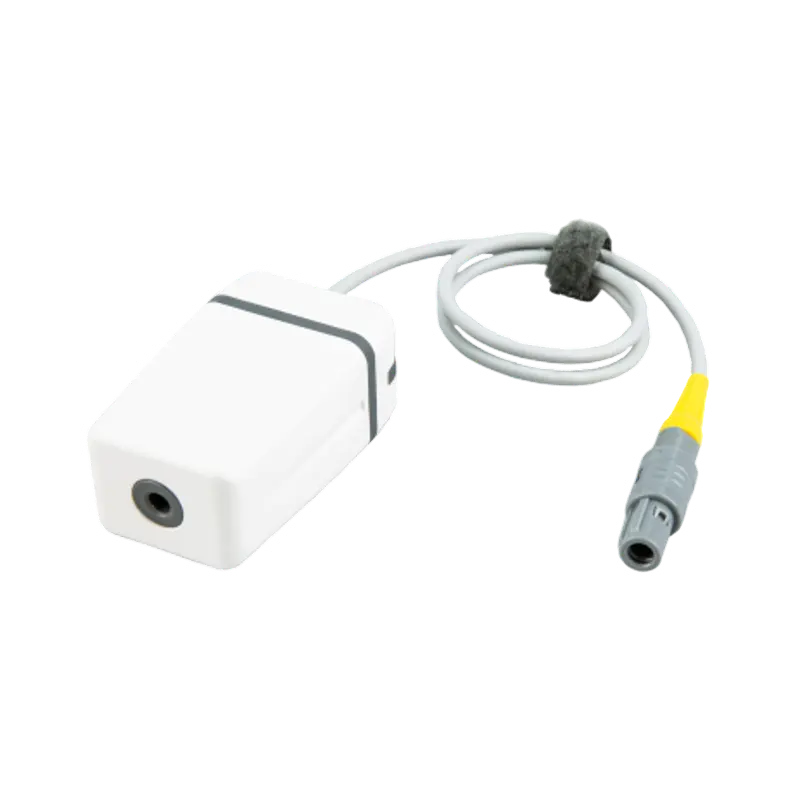
The requirements for connectors in medical devices are typically derived from the usage scenario: whether operation can be performed with one hand, whether the connection will accidentally disconnect during patient movement, whether they can withstand repeated sterilization, and how to prevent misinsertion among multiple ports. Push-pull connectors offer a practical balance among these requirements, making them a relatively common choice in medical devices.

How exactly do they meet these requirements? The following sections examine several aspects.

Operating Mechanism

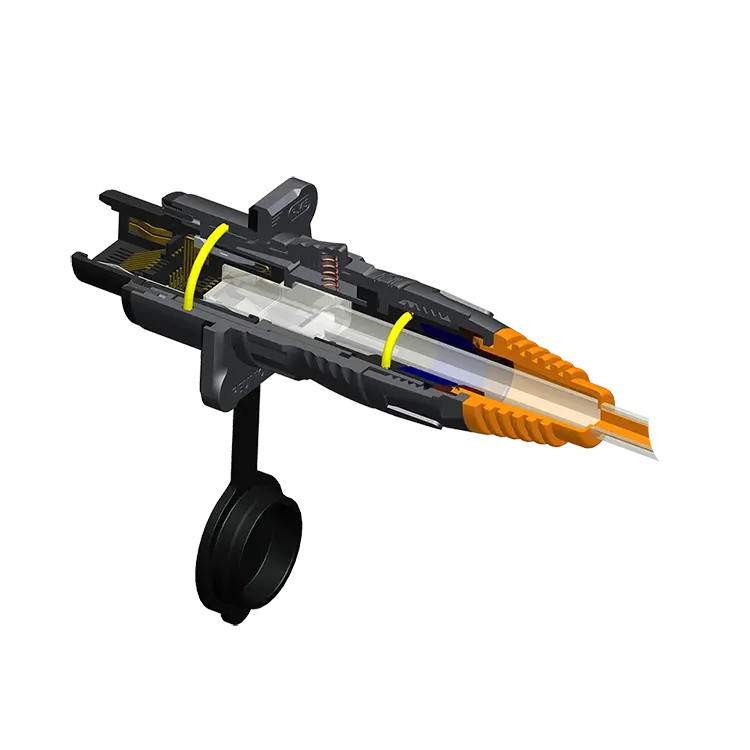
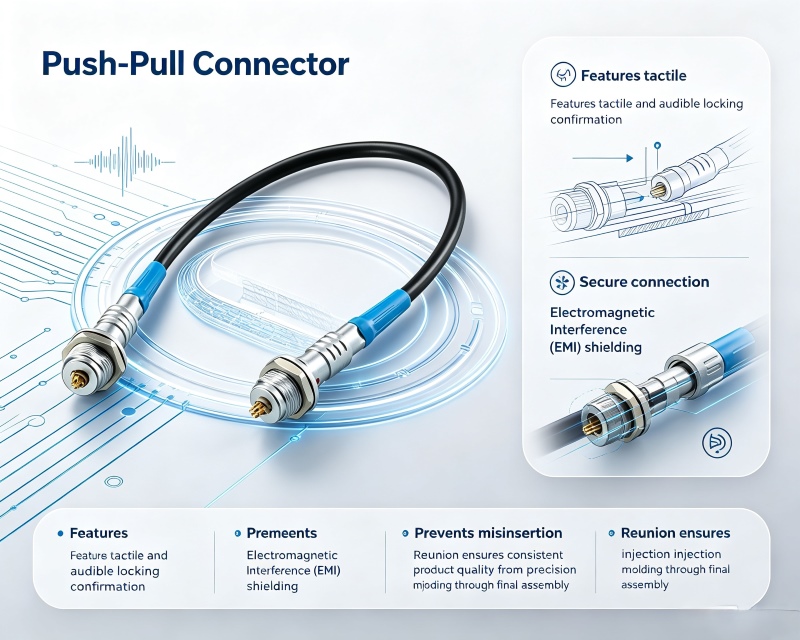
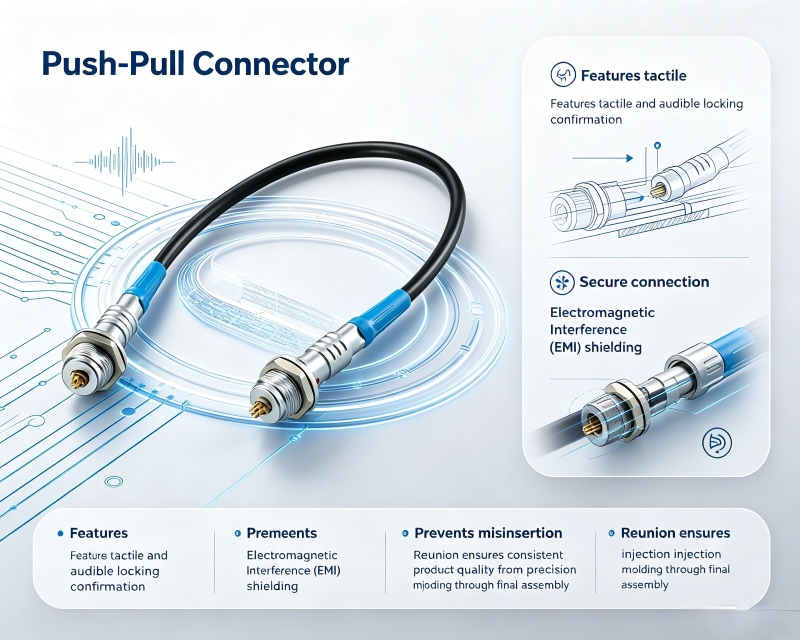
The operating logic of push-pull connectors involves pushing axially to lock and pulling the release sleeve to unlock. When mated, elastic latches engage with slots to provide an axial stop; upon unlocking, the release sleeve presses against the latch's beveled surface, causing the latch to open radially and disengage from the slot. Under normal use, pulling on the cable will not cause the connection to disengage; disconnection is always actively triggered by the operator, making it suitable for scenarios where patients frequently change positions or become agitated.

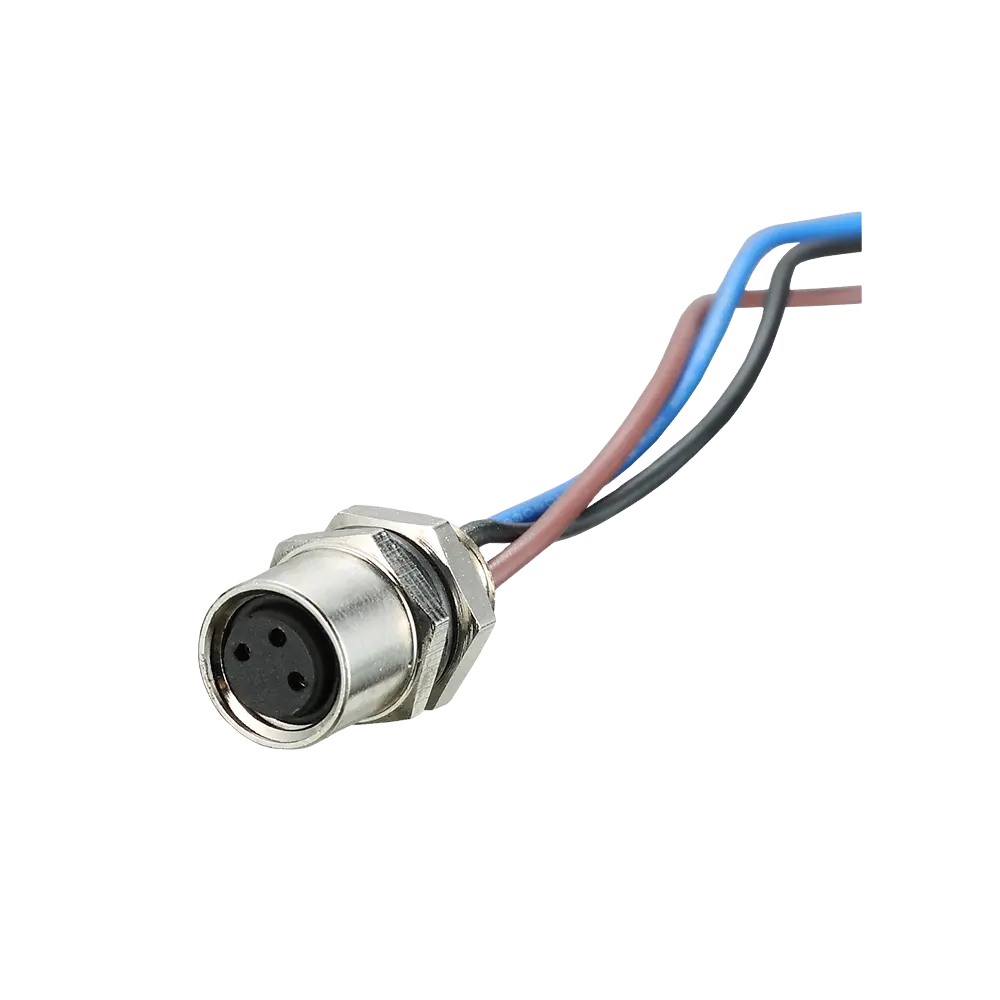
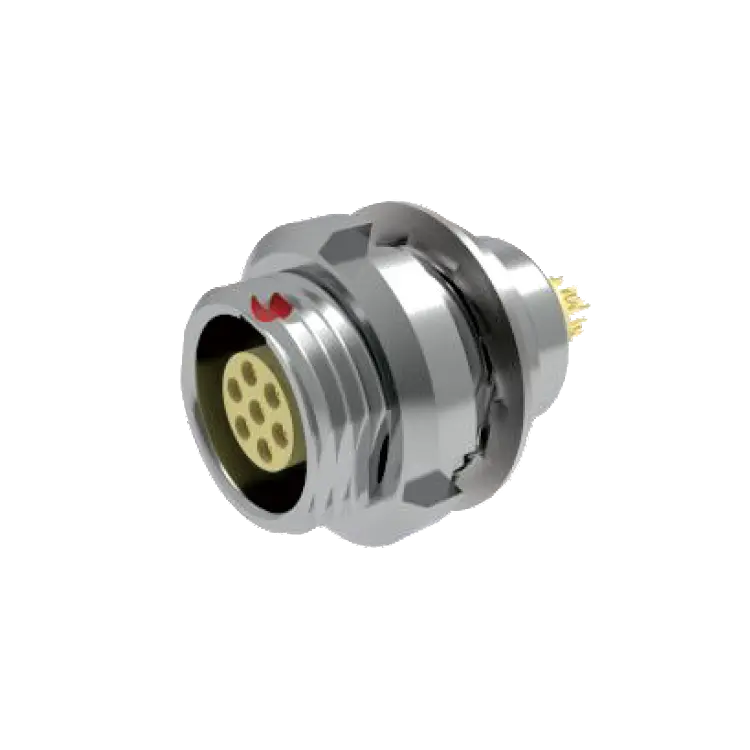
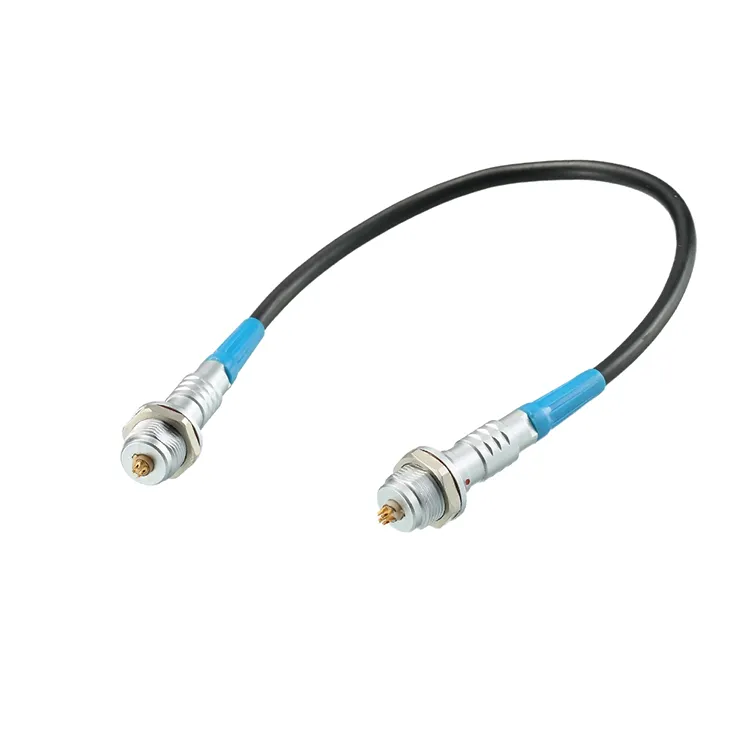
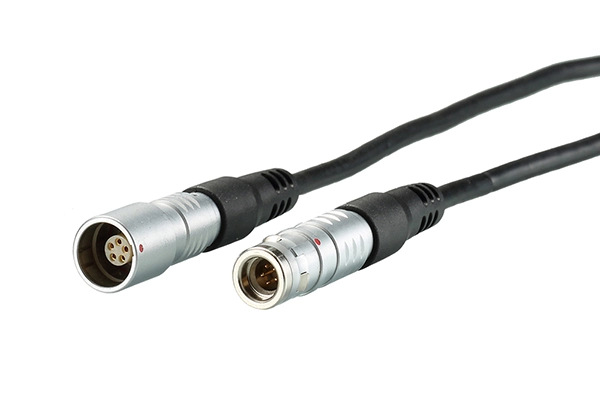
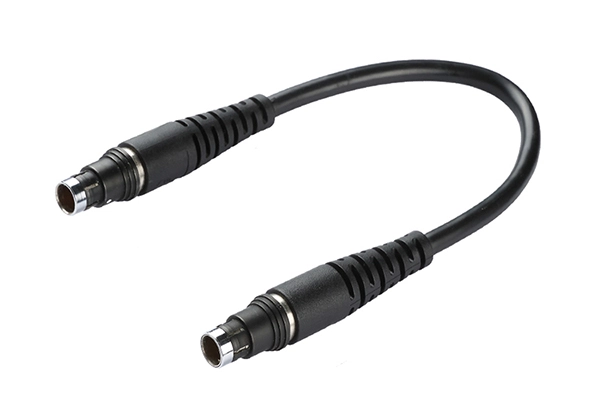
Reunion's K Series metal connectors utilize a split push-pull self-locking system, while the P Series plastic connectors employ a dual-leaf spring locking mechanism—both based on this principle.


Electrical Configuration

The electrical requirements of medical devices vary widely. Monitoring equipment tends to involve low-current signal transmission, while surgical equipment or charging interfaces may require a current-carrying capacity of several amperes.

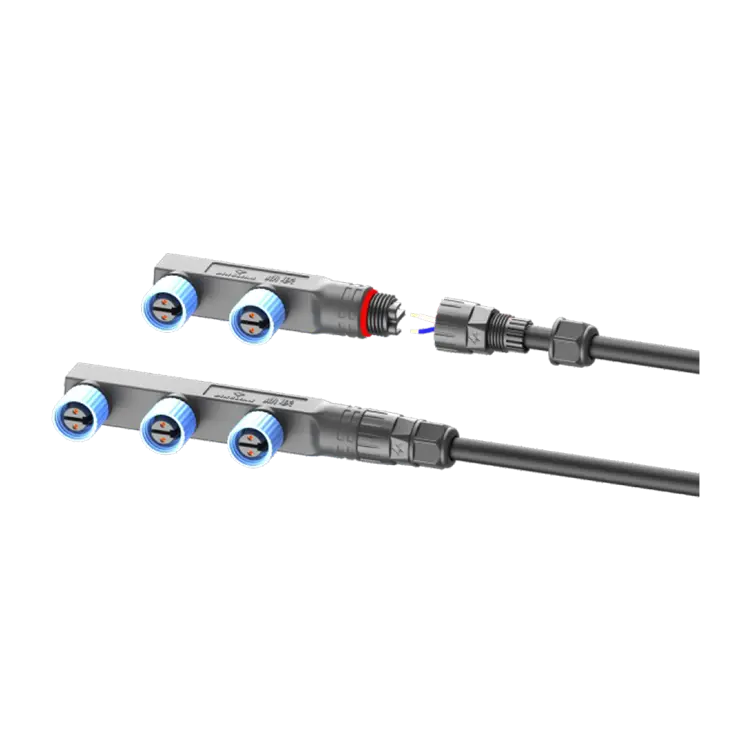
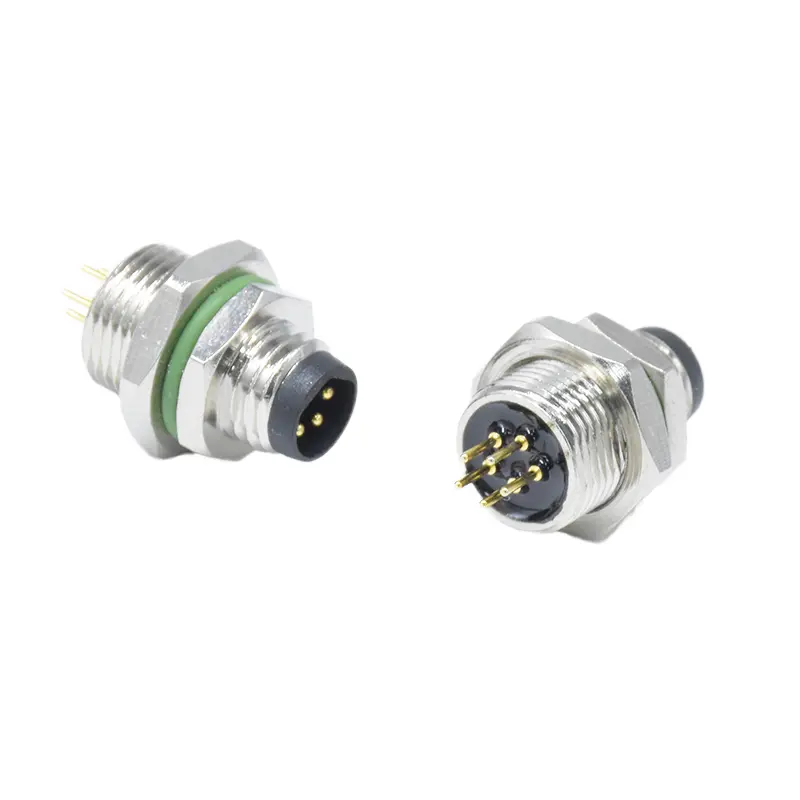
Taking Reunion as an example, the 1K specification in the K Series features a pin diameter of 1.3 mm and a working current of up to 15 A, making it suitable for mixed power and signal applications; the 1P specification in the P Series uses a 0.5 mm pin core with a working current of 2 A, making it more suitable for signal-intensive applications. The 2P Series offers a configuration that combines 2-pin power contacts with 3-pin signal contacts, reducing the number of connectors on the panel and simplifying cable routing.


Environmental Resistance

Connectors used in reusable medical devices must withstand repeated sterilization. Their housings are typically made of high-temperature engineering plastics such as PEI or PSU, with some products capable of withstanding up to 200 sterilization cycles at 134 °C.

In terms of protection ratings, Reunion's K Series metal connectors are rated IP67, while the P Series offers both IP50 and IP65 options. These specifications must align with the device's sterilization protocols, operating environment, and overall design.


Misinsertion Prevention

Medical devices typically have multiple connection ports. Reunion's K Series offers a variety of positioning pin options, while the P Series provides two keying options: Position A and Position B. The end caps and socket nuts are color-coded, using a combination of mechanical keying and color coding to reduce the likelihood of connecting to the wrong port. This design does not rely on software recognition, providing a fundamental layer of protection during emergency procedures.


What is the approach to product selection?

When selecting a connector, first determine whether the device is reusable, requires autoclaving, or is at risk of liquid contact.

Next, determine the number of signal and power channels and the current requirements.

Then, match the connector to the available panel space and cable diameter.

Finally, confirm the certification documents required for the target market.


In summary, Reunion's push-pull self-locking connectors cover metal and plastic housings, IP65 and IP67 protection ratings, and configurations ranging from 2 to 32 poles, providing a range of selection options for medical device design. When making specific selections, it is recommended to request datasheets and compliance documents from suppliers to verify that the products meet the actual requirements.


Related News
Leave me a message
X
We use cookies to offer you a better browsing experience, analyze site traffic and personalize content. By using this site, you agree to our use of cookies.Privacy Policy
RejectAccept