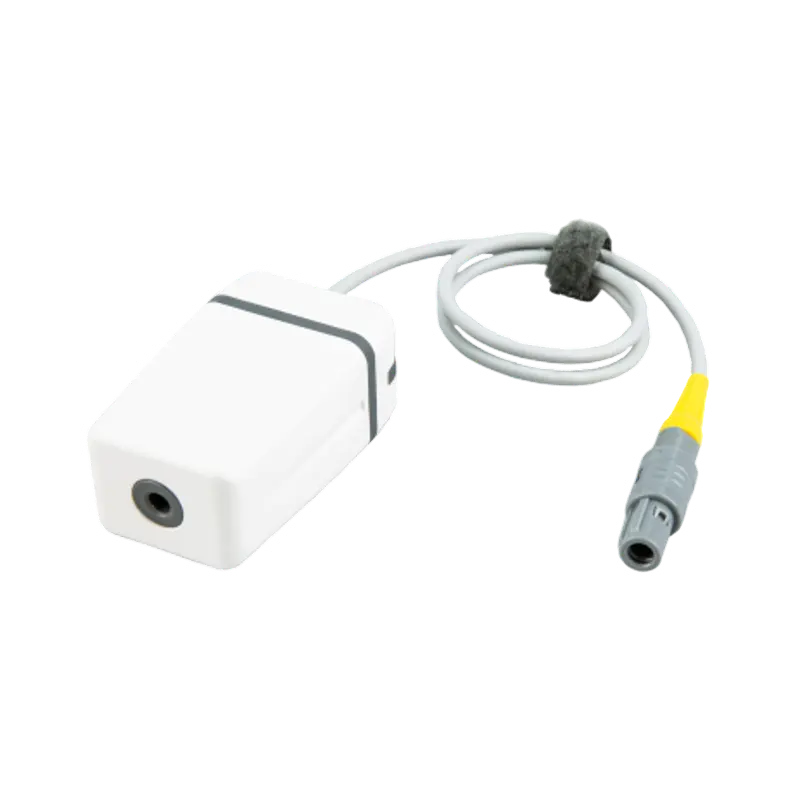
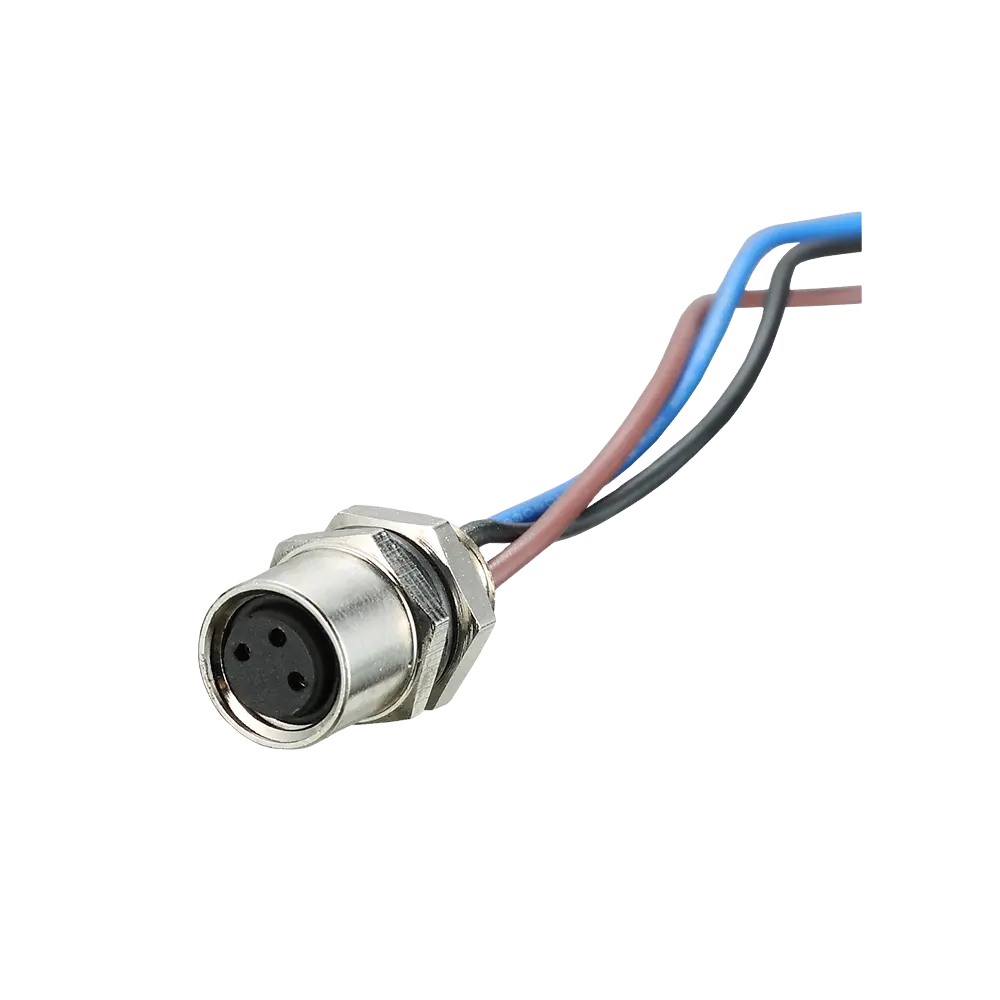
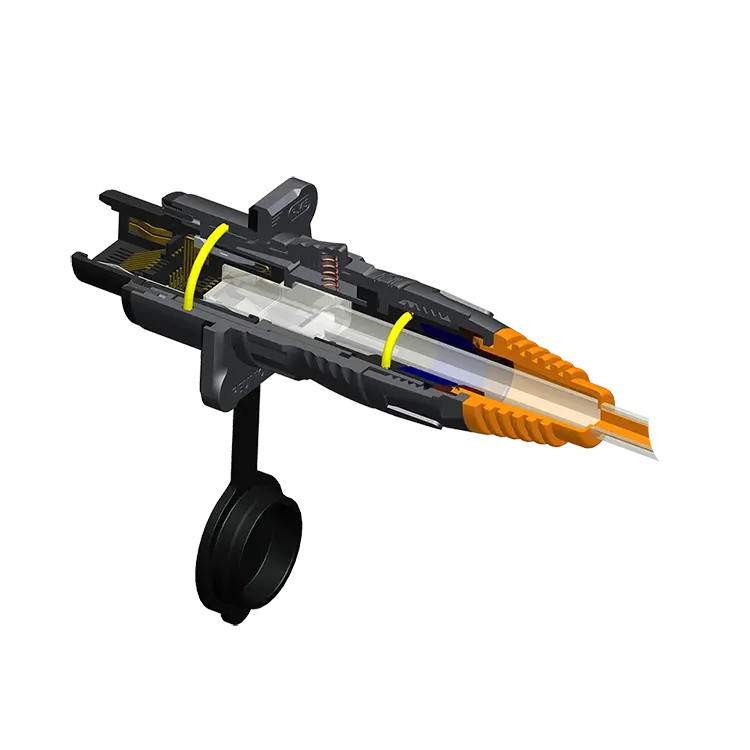
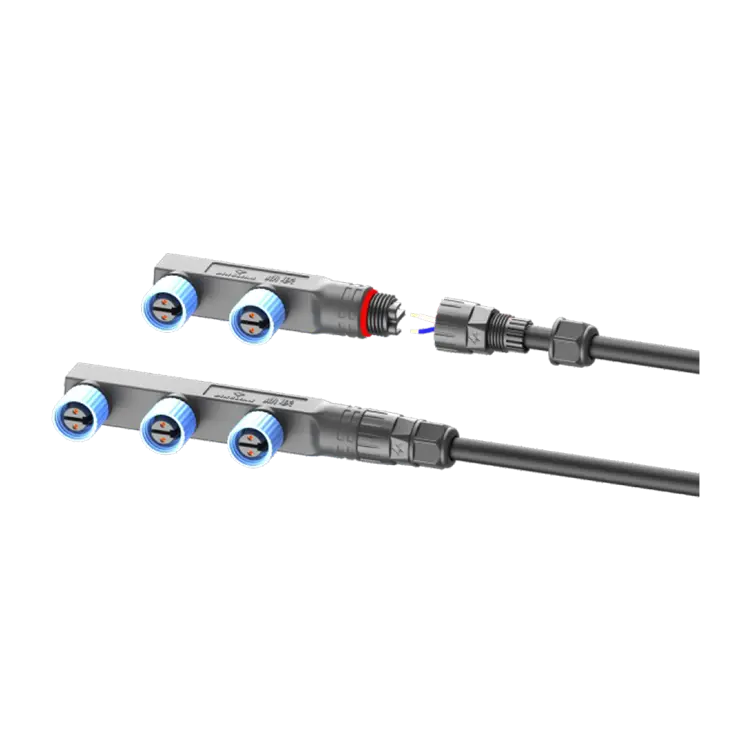
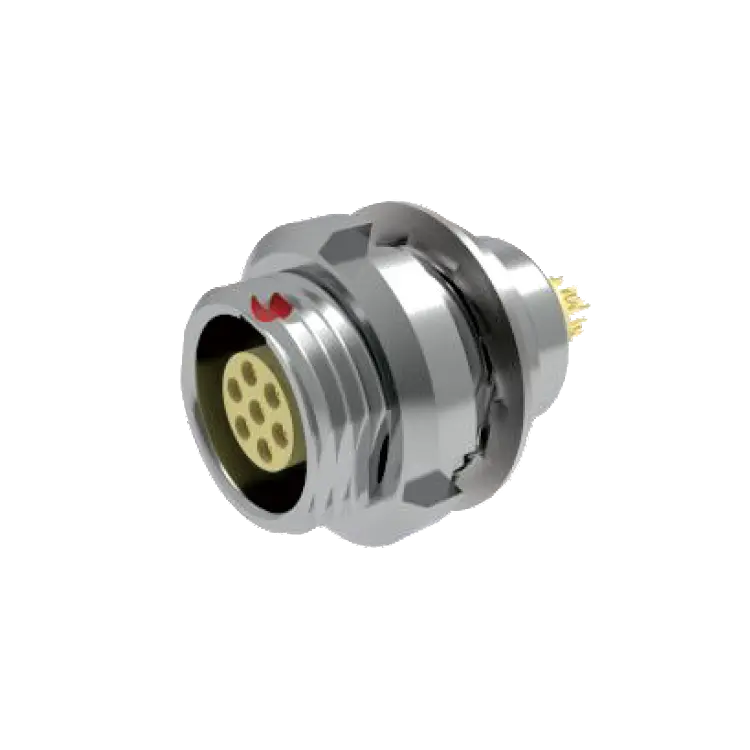
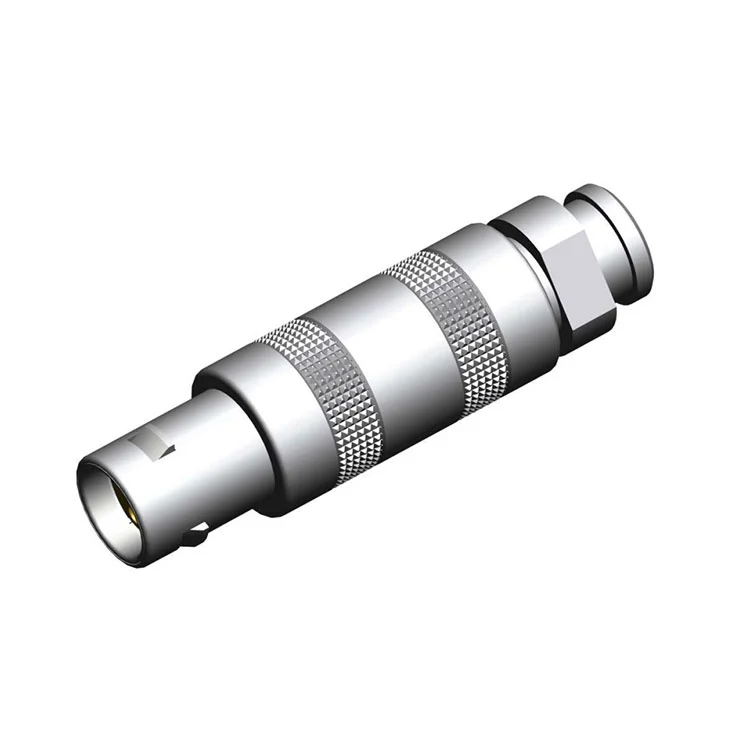
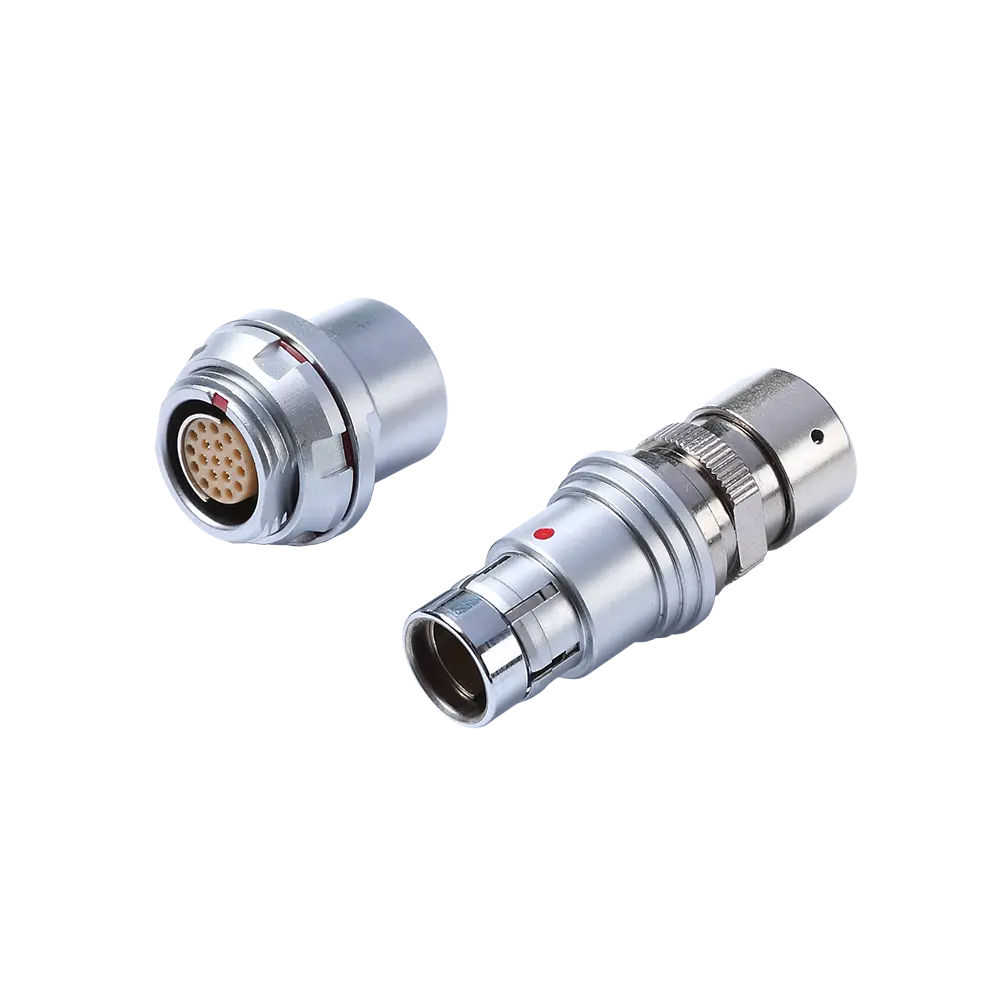
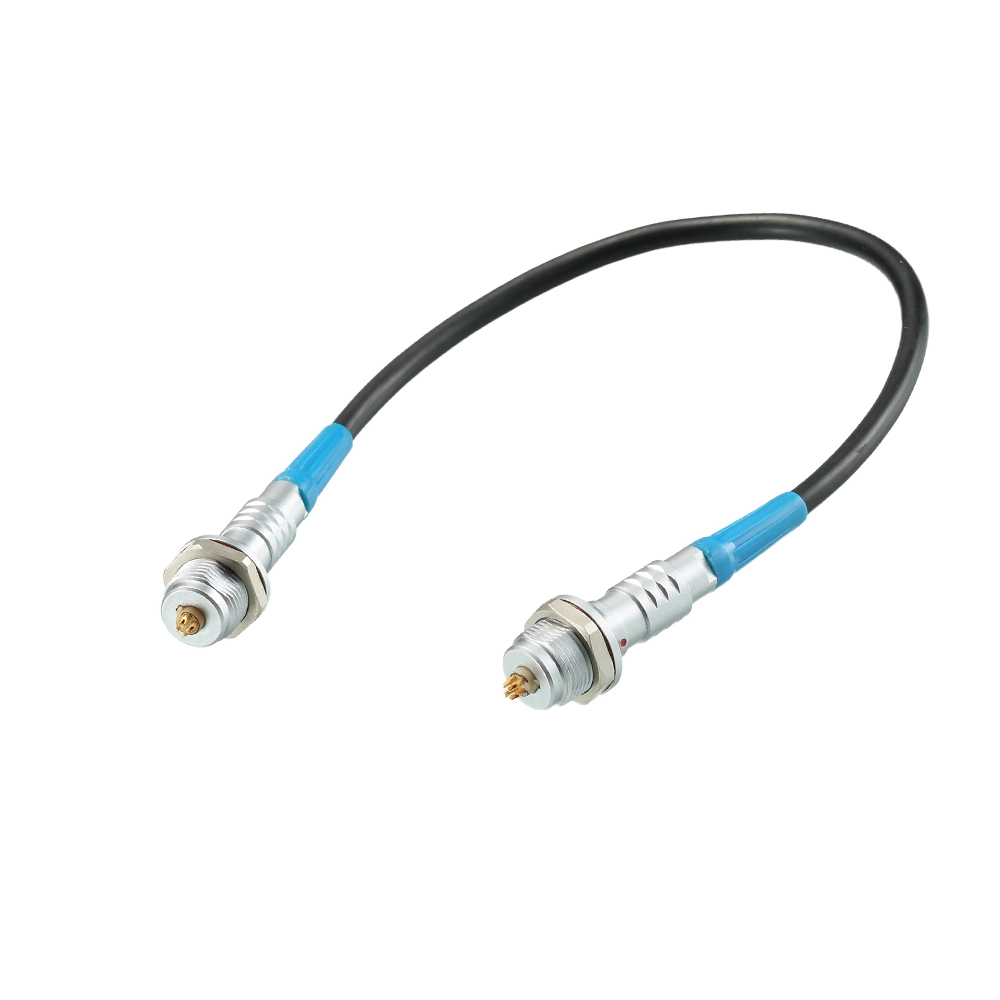
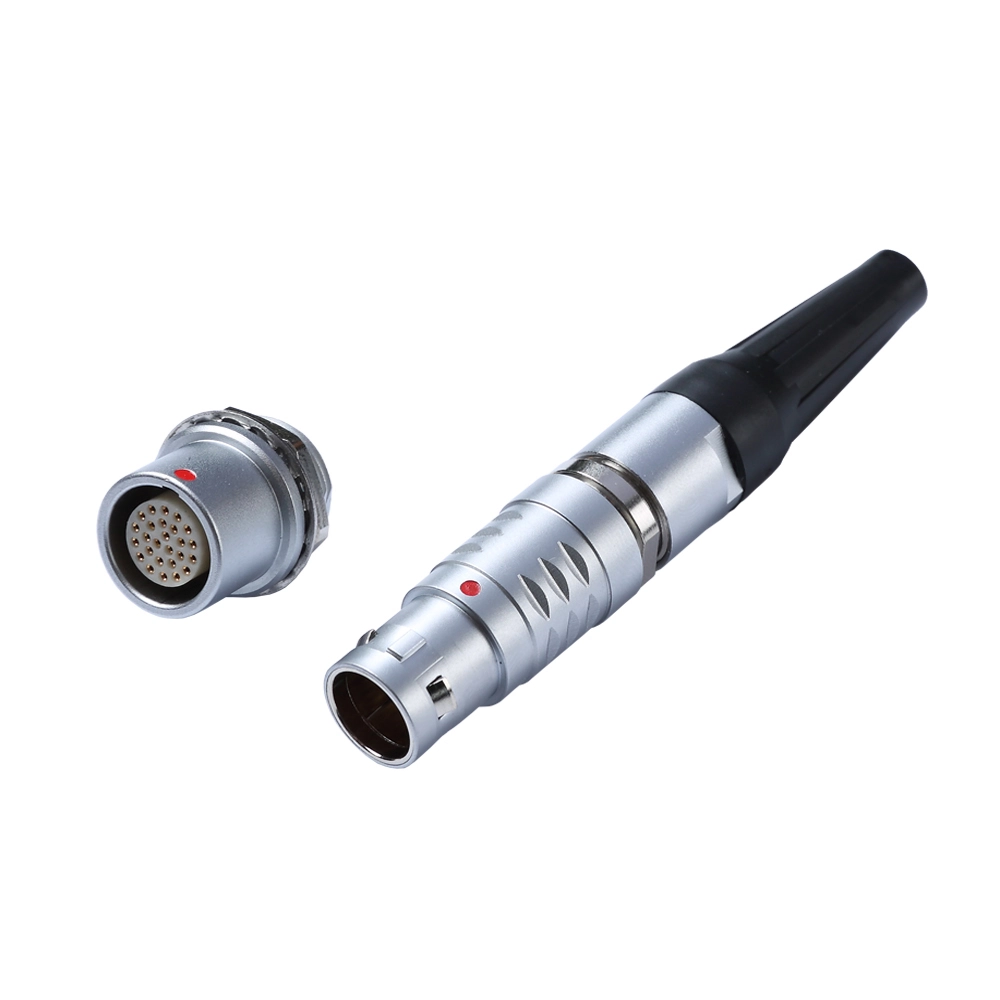
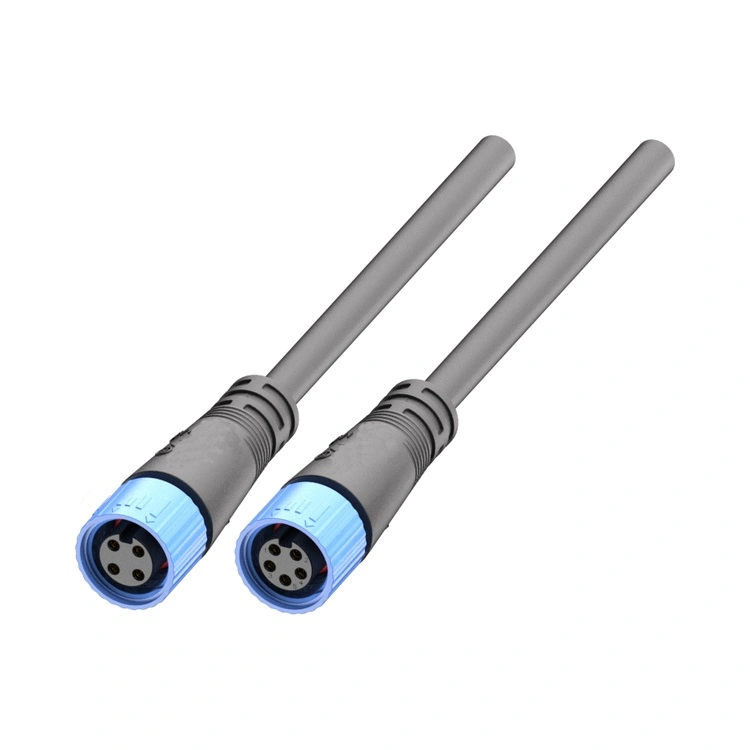
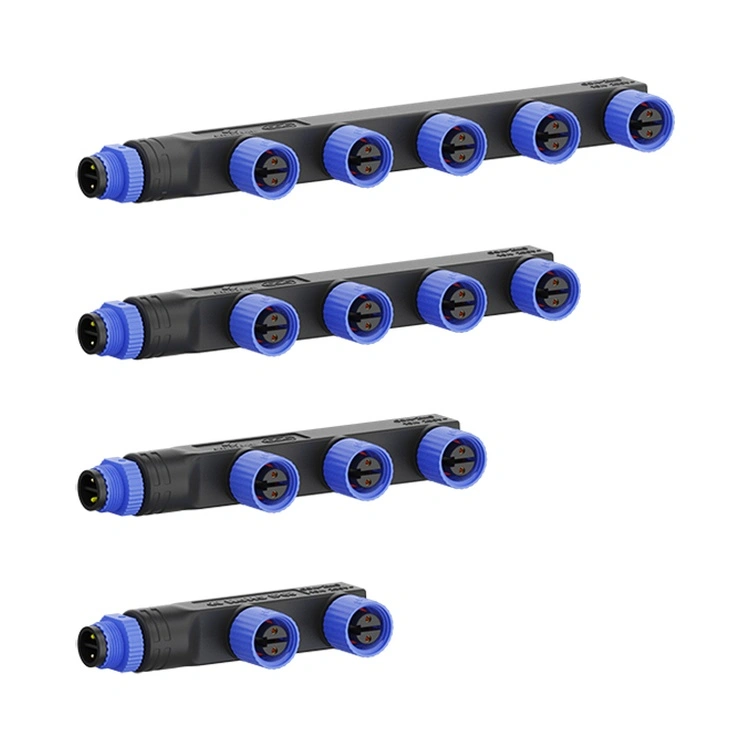
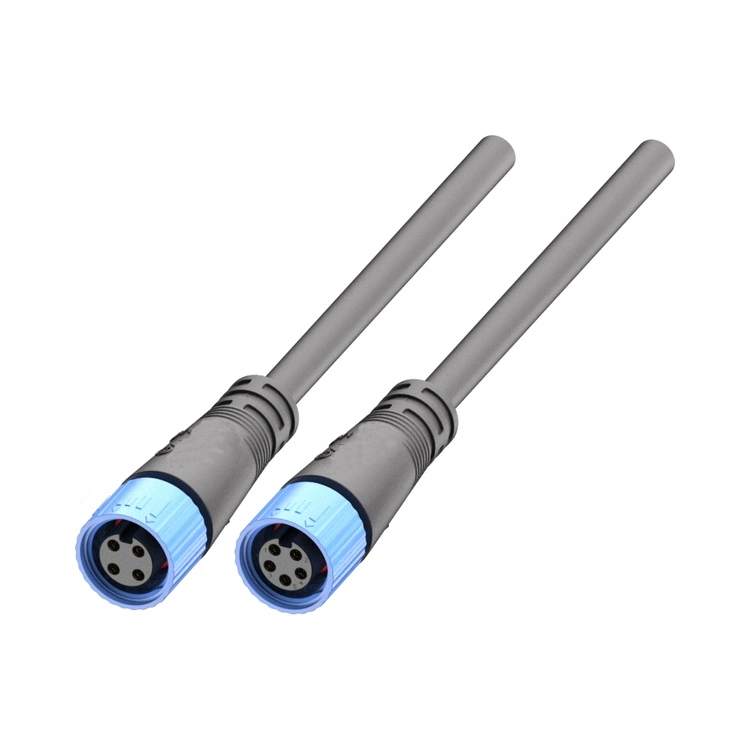
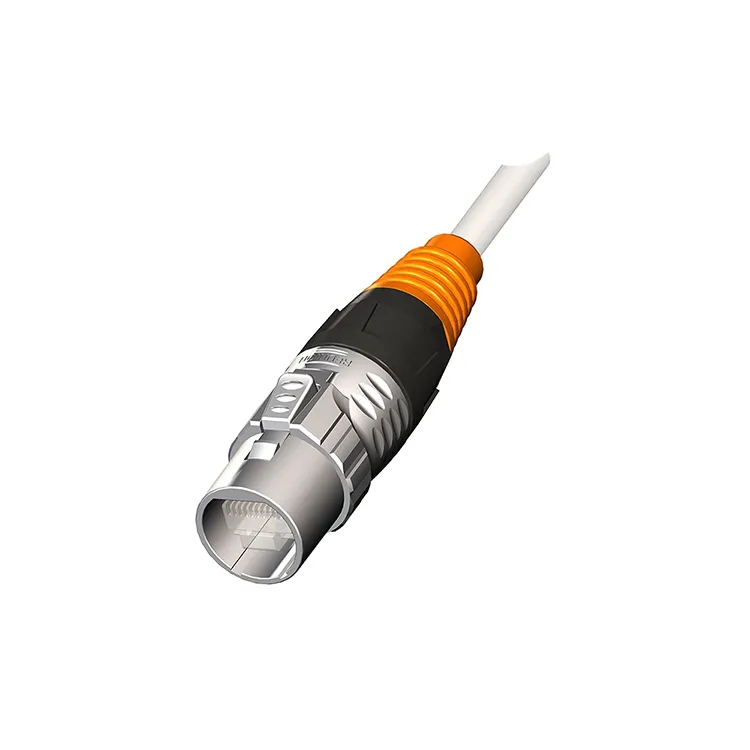
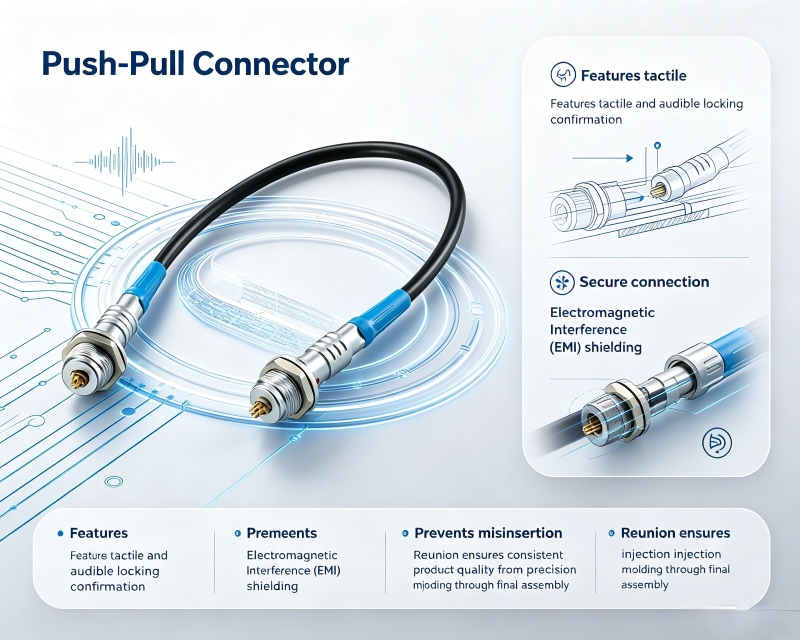
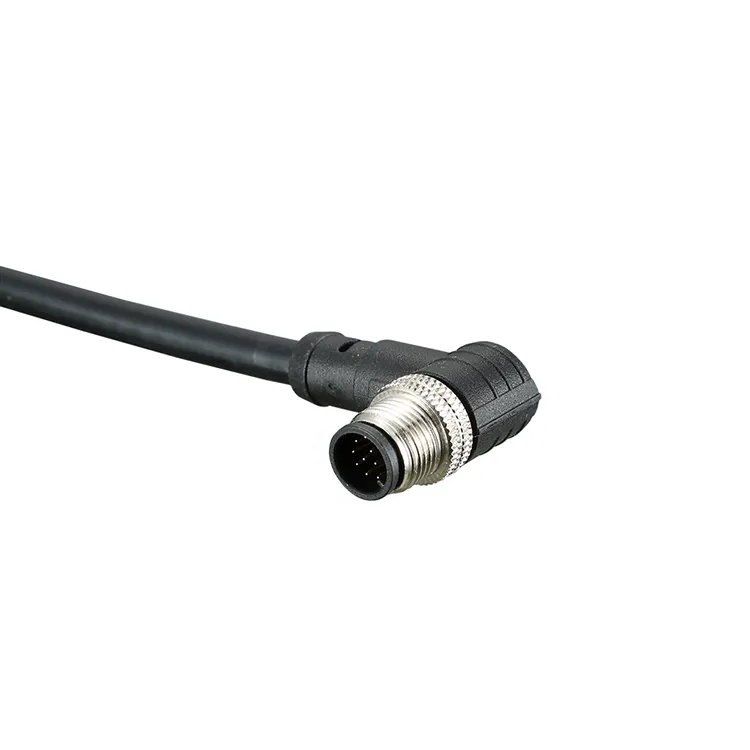
Shenzhen REUNION Electronic Co., Ltd. has included the M15 Series Connector in its circular interconnect range since 2011, targeting applications that need more current capacity than an M12 interface but a smaller footprint than an M16. These connectors are commonly found in motor connections, compact power distribution, and sensor arrays where the threaded coupling must remain stable under repeated mechanical stress.
Positioning Between M12 and M16 Formats
The M15 thread diameter provides a middle ground in the metric circular family. Compared to the M12 Series Connector, the larger contact cavity allows thicker conductors and higher per-pin current ratings. Compared to an M16 design, the M15 saves panel space while still accommodating multiple power contacts. This balance makes the series useful for compact drives, robotic joint modules, and test fixtures that mix moderate power with control signals.
Contact Arrangements and Electrical Capacity
Standard M15 connectors are produced with 3 to 8 positions, depending on the required voltage and current. Contact diameters typically range from 1.0 mm to 2.0 mm, supporting continuous currents up to approximately 8 A per pin when proper wire gauge and derating factors are applied. Some configurations reserve larger pins for power and smaller pins for signal return, creating a hybrid layout within the same shell. For more complex mixed layouts, the approach described in the Power and Signal Connector category can be adapted to M15 dimensions.
Threaded Coupling and Environmental Sealing
The screw-lock mechanism distributes retention force evenly, reducing the chance of contact fretting under vibration. Panel-mount receptacles can be ordered with front or rear mounting, and straight or angled plugs cover most cable routing needs. When the installation is exposed to coolant, dust, or washdown, sealed versions with O-rings and cable glands achieve IP67 protection. More details on ingress protection levels and sealing materials are available in the Waterproof Connector section.
Production and Customization at REUNION
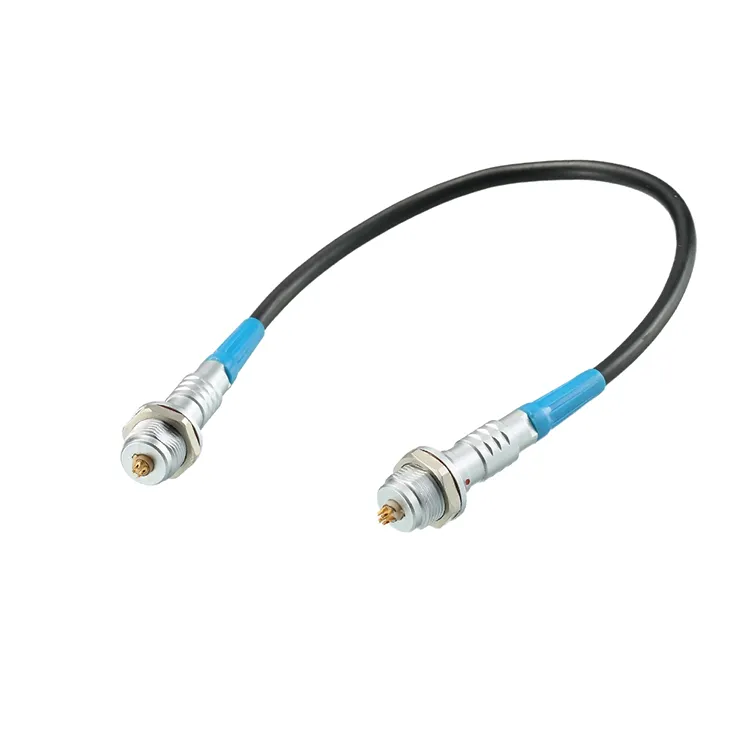
REUNION’s production site occupies about 4,000 square meters and houses 10 assembly lines staffed by roughly 150 employees. The engineering group, which holds 13 patents and 2 software copyrights, completes over 30 custom connector projects each year. Typical M15 modifications include customer-specific pin assignments, non-standard keying, overmolded cable exits, and custom shell plating. Finished Cable Assembly units are built in-house, covering wire preparation, termination, and final testing to reduce on-site integration time.
Quality Verification and Traceability
Manufacturing operations follow ISO 9001 and ISO 14001 standards, with ISO 13485 applied to medical-related products. Compliance testing for UL, CB, and CQC requirements is carried out where applicable. Each production lot is recorded in the ERP system, linking material certificates, assembly parameters, and final electrical test results. This chain of documentation supports customers who need to demonstrate connector reliability under their own quality audits.
Frequently Asked Questions
What current ratings can an M15 connector support?
Current capacity depends on contact size, pin count, and ambient temperature. Standard versions typically handle up to 8 A per contact, but derating is necessary when multiple high-current pins operate simultaneously. REUNION provides temperature rise data based on the actual contact arrangement and wire gauge used in the final assembly.
How does an M15 connector compare to an M12 for power applications?
The M15 offers a larger contact cavity, which permits thicker conductors and reduces thermal rise at the same current. It also provides more mechanical separation between power contacts. M12 remains more compact and is more standardized for sensor and Ethernet interfaces, while M15 is often chosen when the available panel space allows a slightly larger coupling but the current demand exceeds comfortable M12 limits.
Can REUNION build M15 connectors with mixed power and signal contacts?
Yes. The engineering team can assign larger pins for power and smaller pins for signal within the same insert. The layout is validated for creepage distance, current-carrying capacity, and crosstalk before production release. Custom keying and color coding are also available to prevent mismating in multi-connector systems.