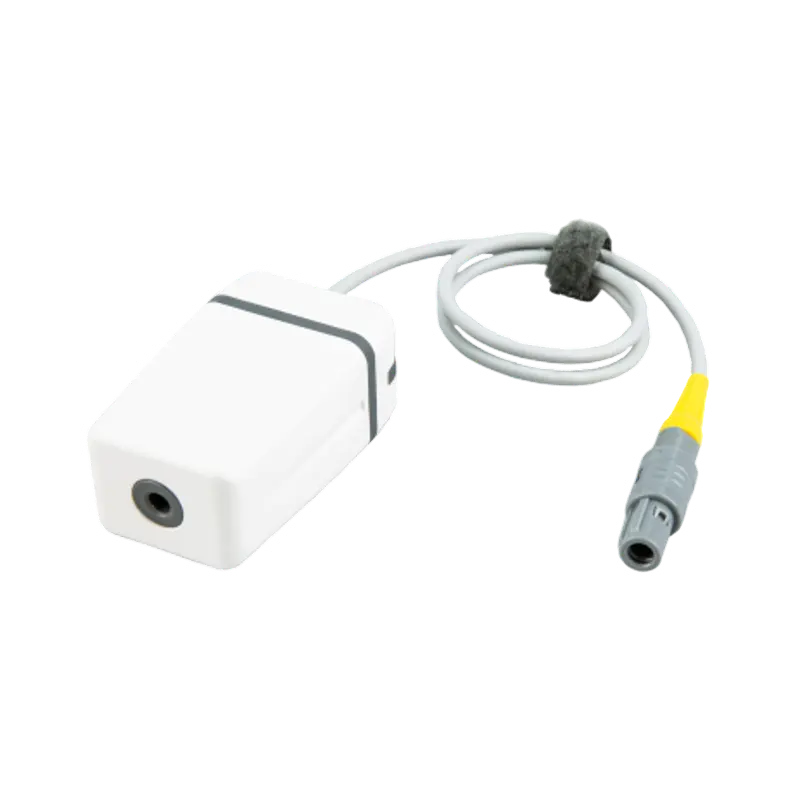
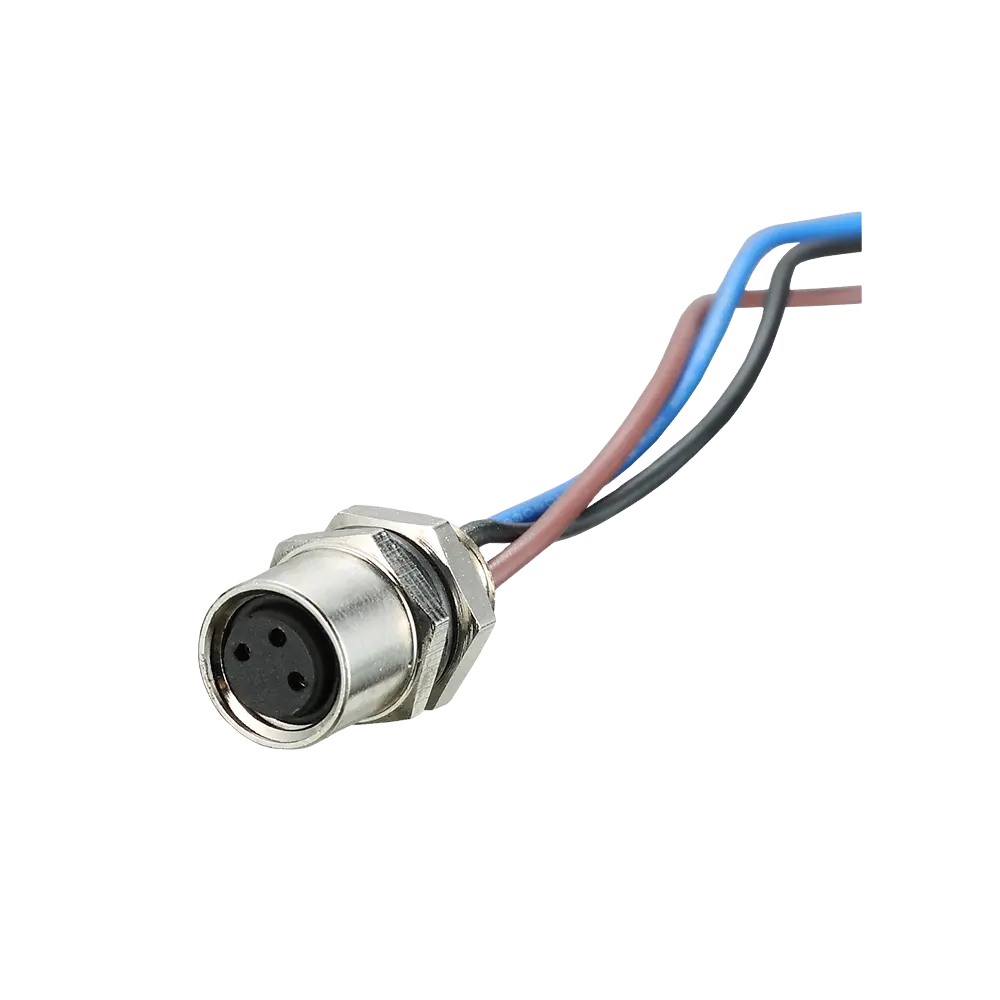
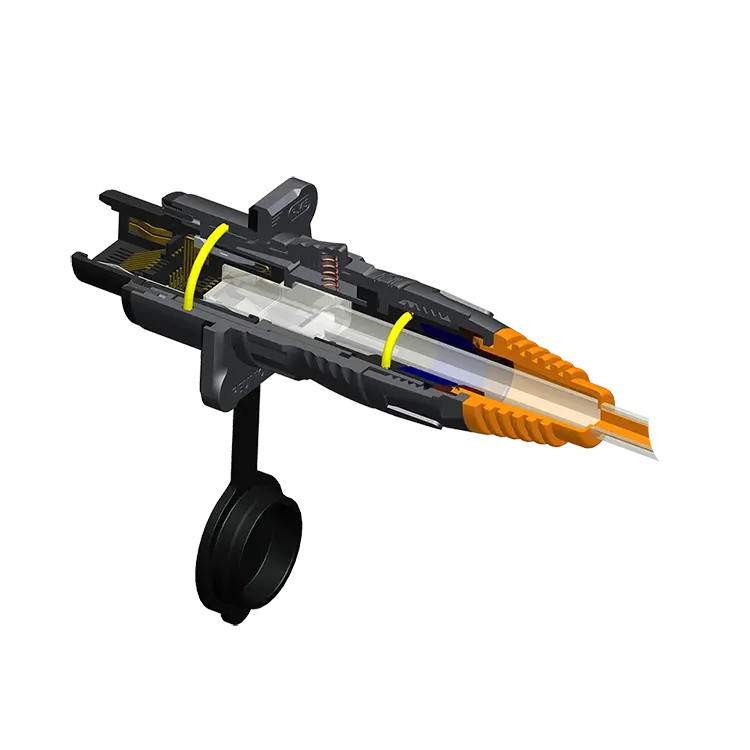
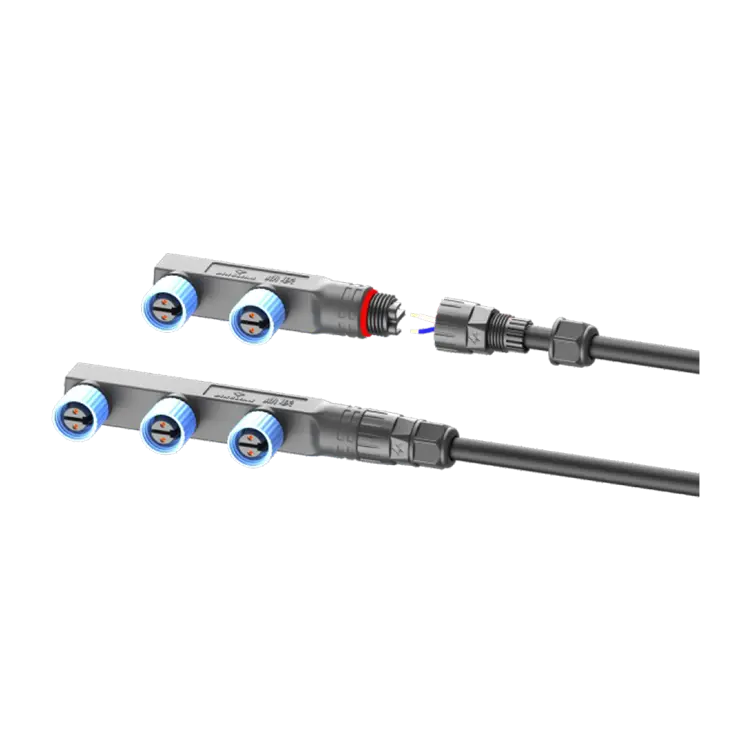
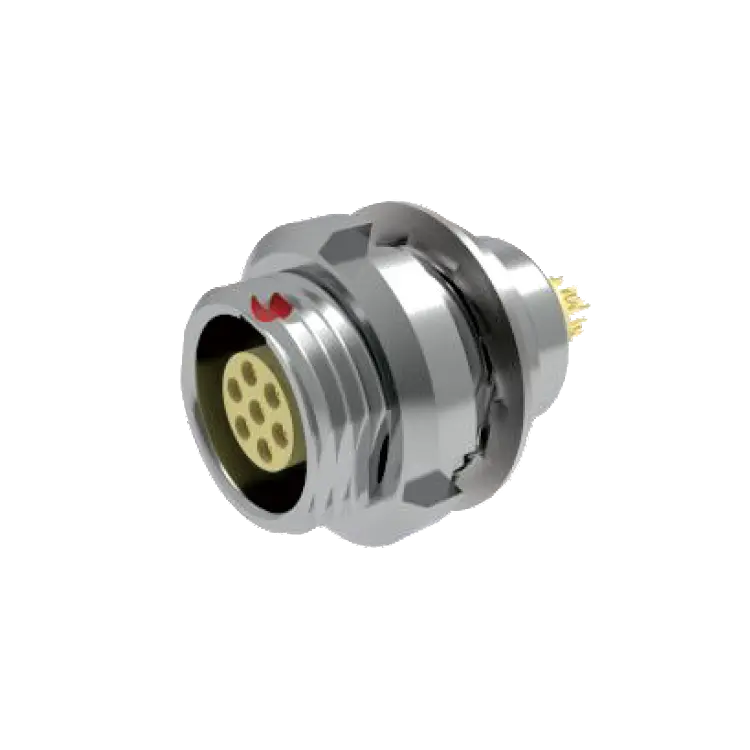
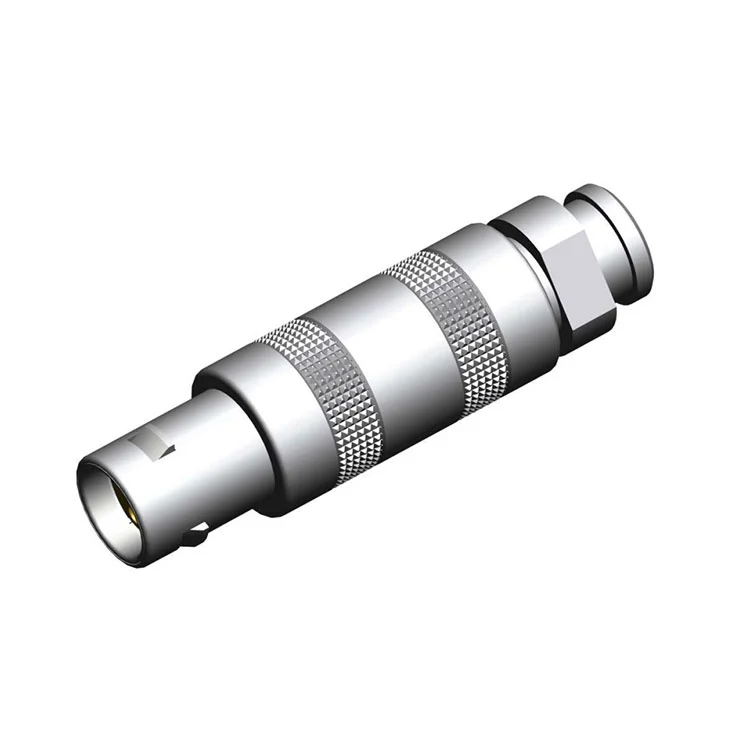
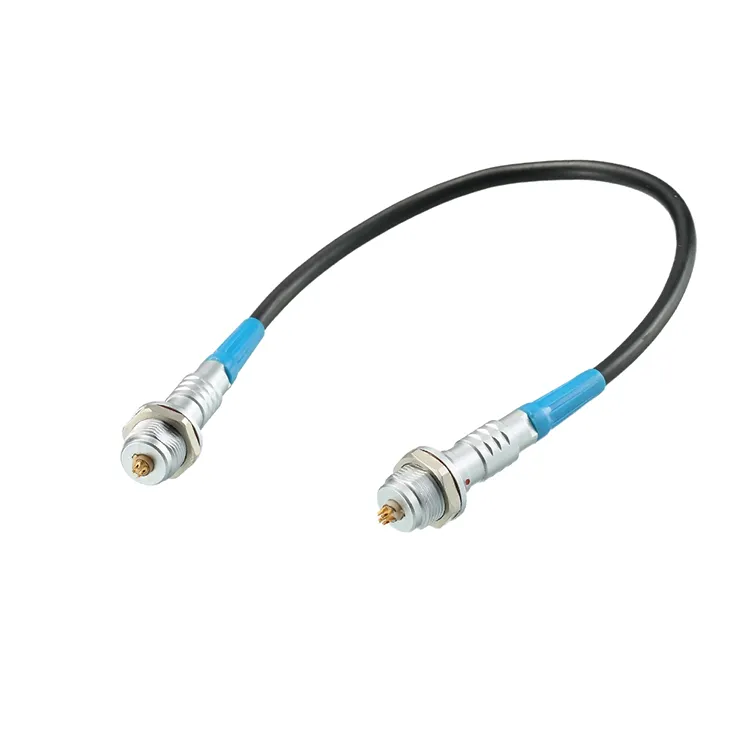
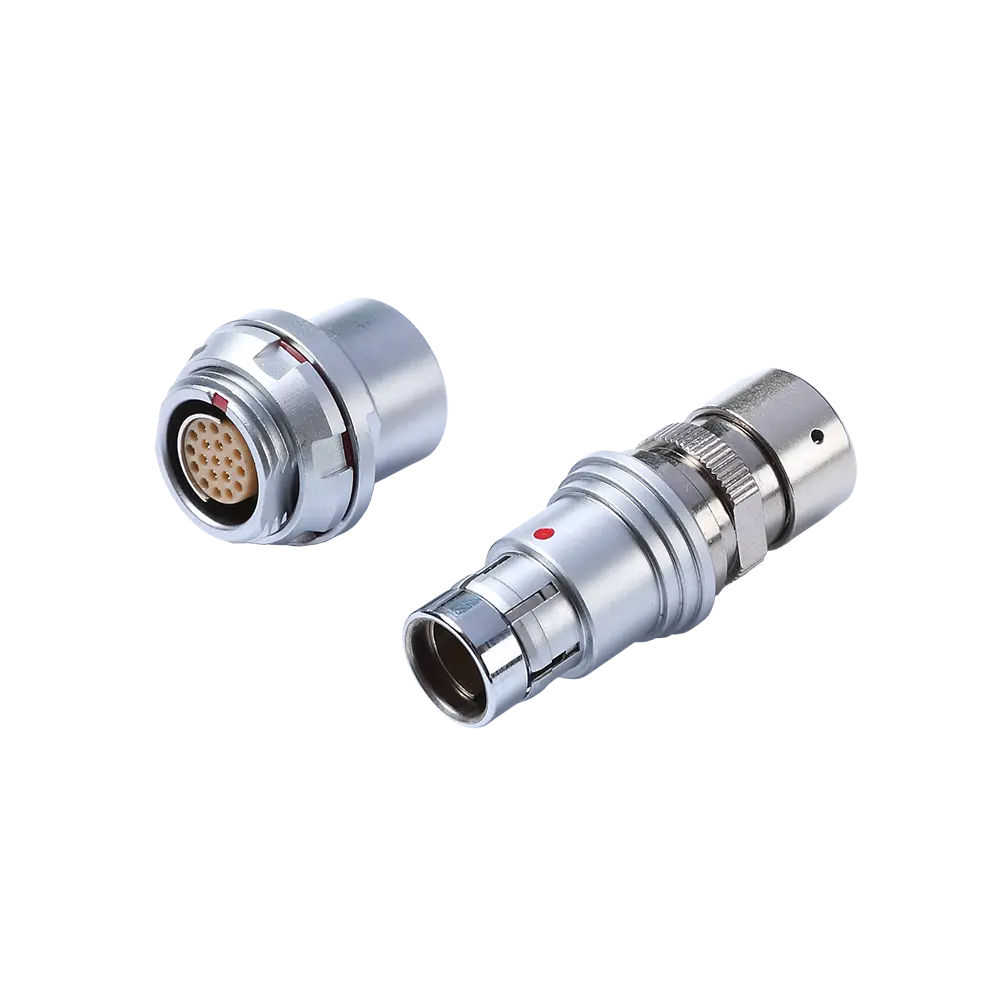
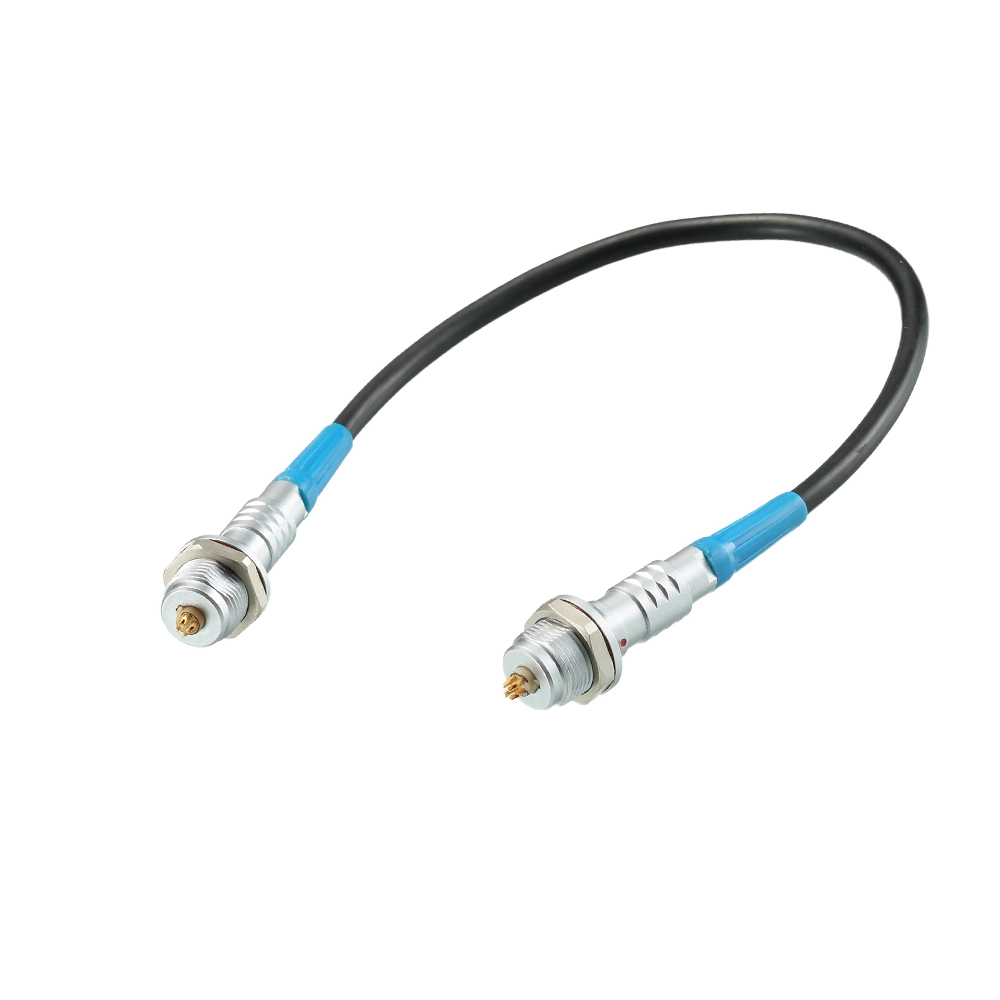
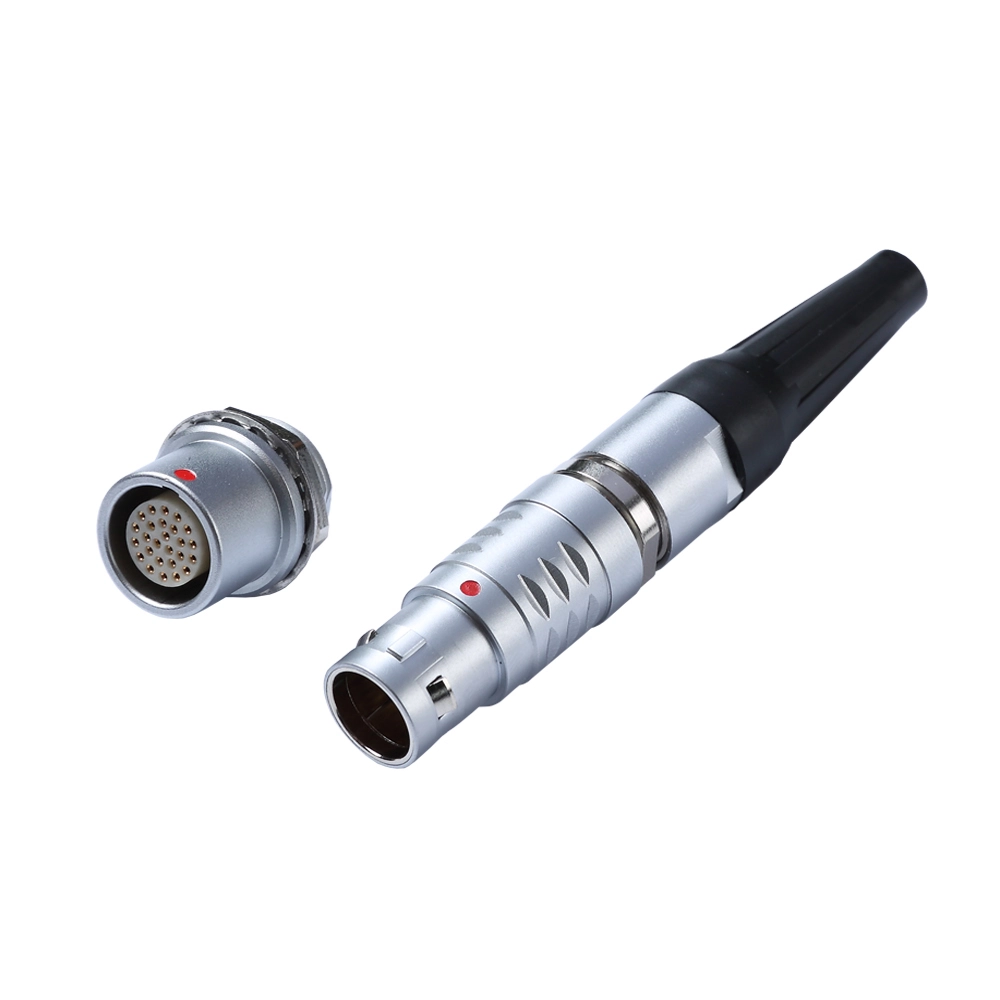
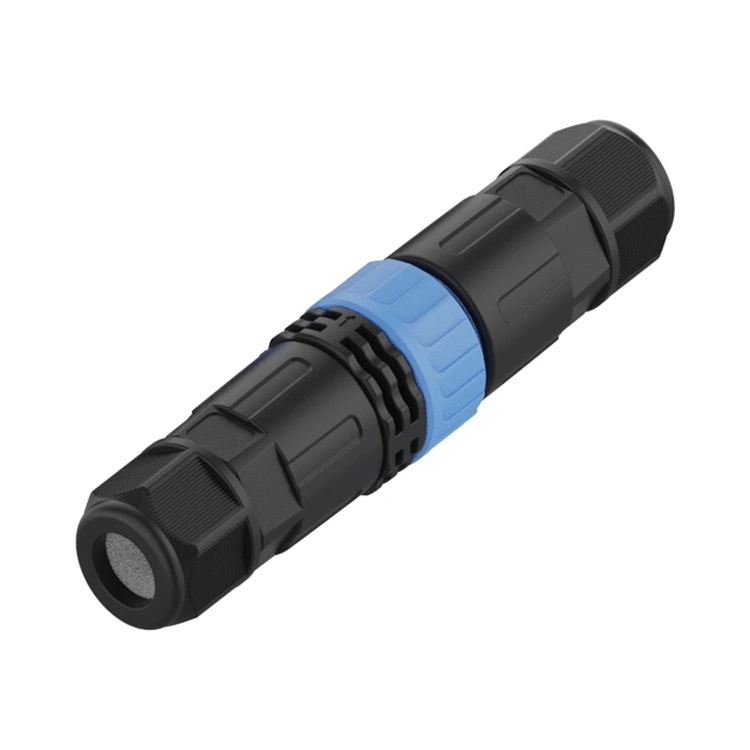
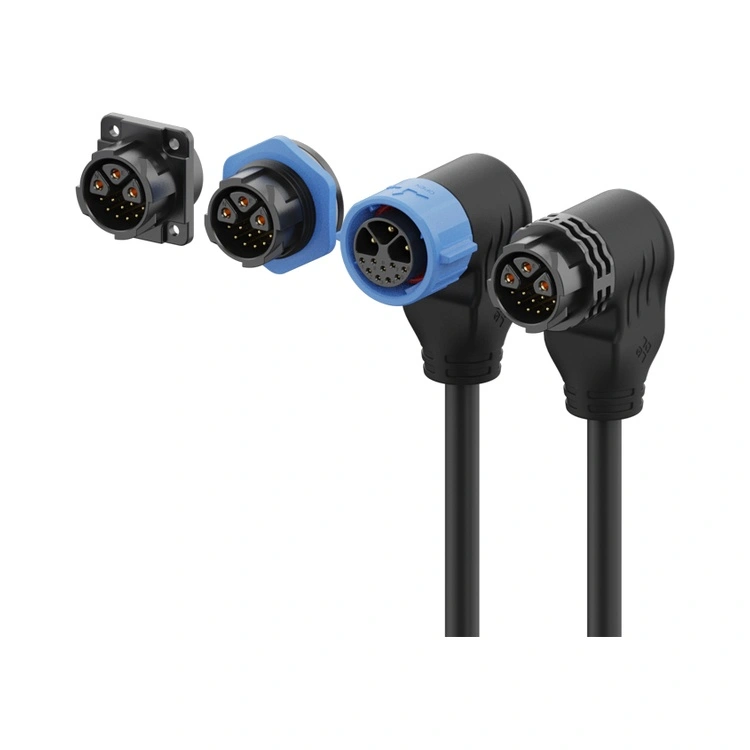
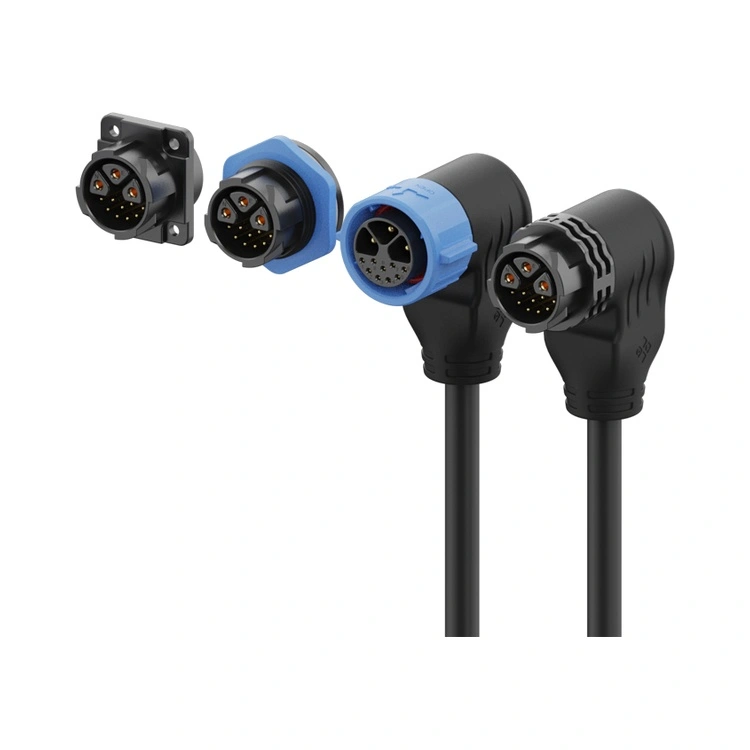
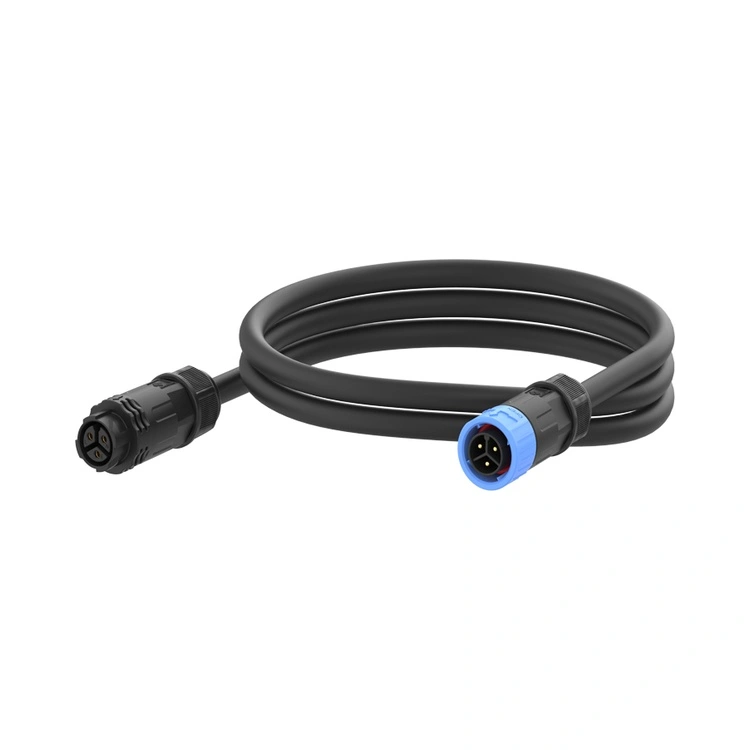
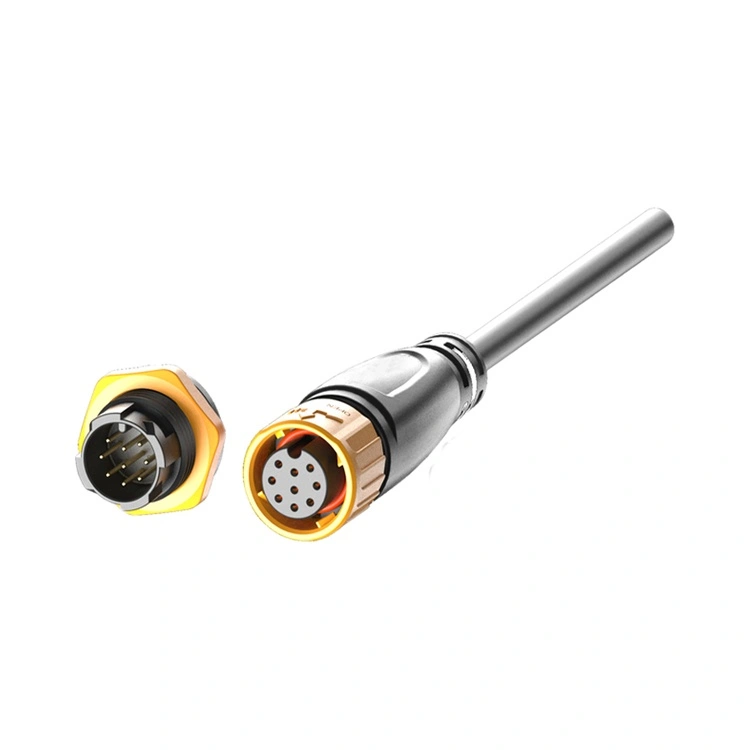
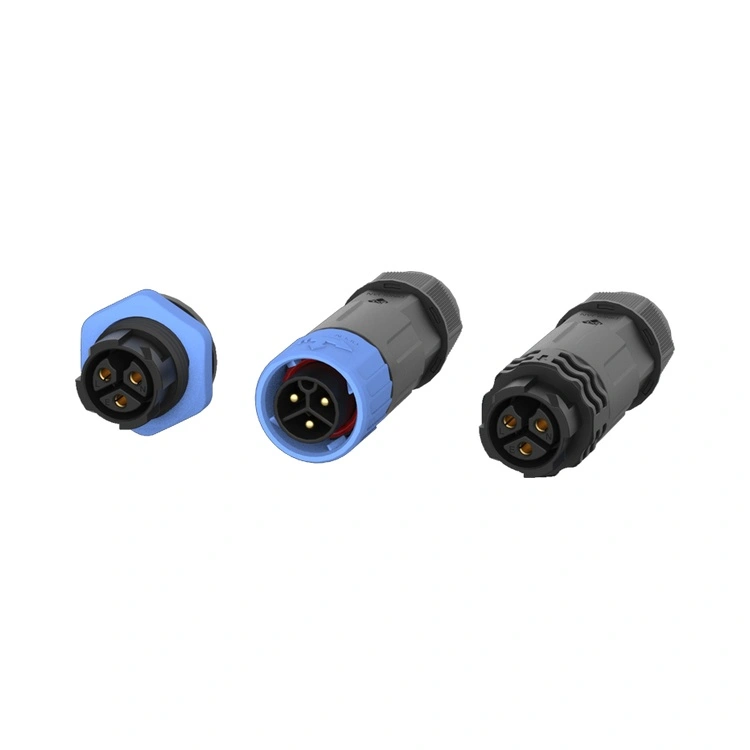
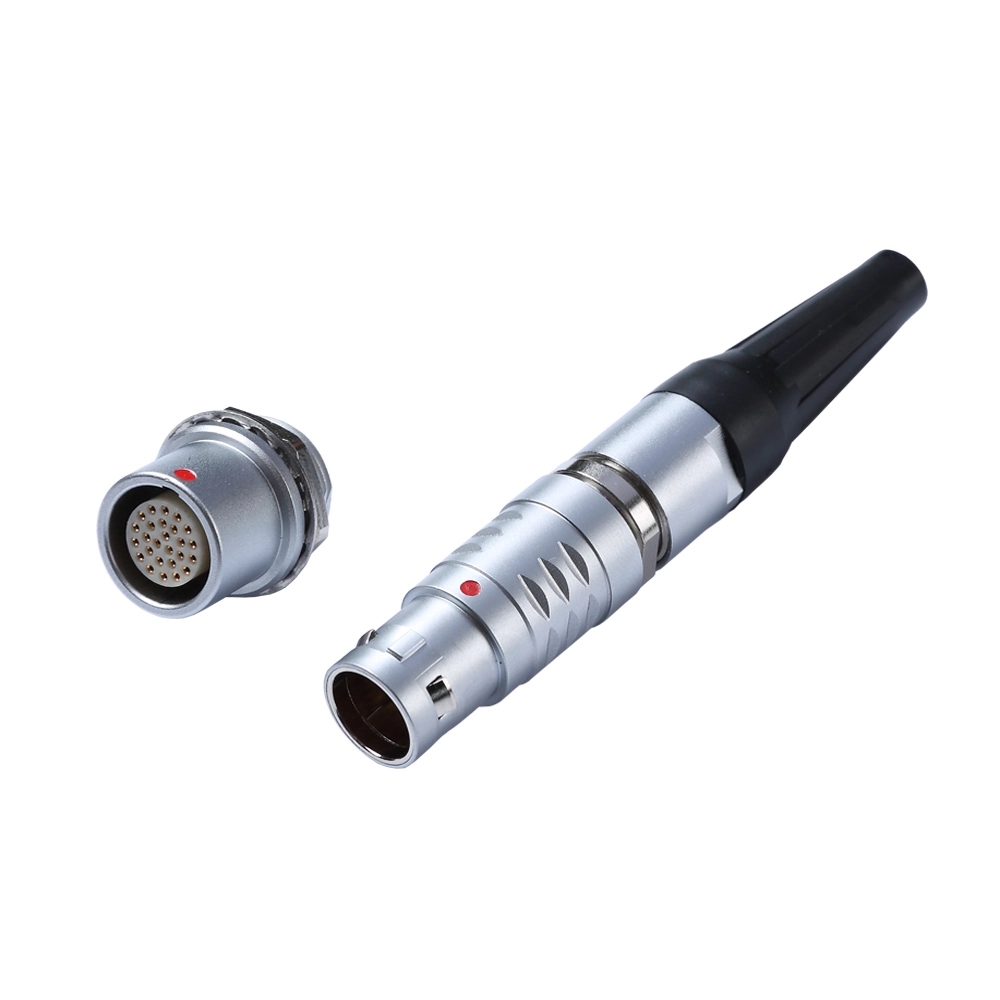
Shenzhen REUNION Electronic Co., Ltd. produces waterproof connectors for equipment that operates in wet, dusty, or washdown-prone conditions. Since 2011, the company has applied sealing technologies across its circular connector lines to help customers achieve reliable electrical connections in challenging environments. Waterproof connectors are not defined by a single housing style but by their ability to prevent liquid and particulate ingress at mating interfaces, cable entries, and panel mounting points.
Sealing Structure and Ingress Protection Ratings
Waterproof performance is expressed through IP codes defined by IEC 60529. The first digit indicates dust protection, while the second digit describes liquid ingress resistance. Common ratings for industrial connectors include IP67, which covers temporary immersion, and IP68, which supports continuous immersion under conditions specified by the manufacturer. Achieving these ratings requires a coordinated seal system: O-rings at the coupling interface, gaskets behind panel-mount flanges, and cable glands or overmolded strain reliefs at the rear exit. REUNION verifies each sealing design through pressure and immersion testing rather than relying on component geometry alone.
Material Compatibility and Seal Durability
Seal materials such as silicone, EPDM, or nitrile rubber are selected according to the fluids and temperatures the connector will encounter. Silicone offers wide temperature tolerance, EPDM resists hot water and steam, and nitrile performs well against oils and fuels. The housing material must also be compatible: metal shells provide rigidity for stable seal compression, while engineering plastics resist corrosion in chemical environments. Over repeated mating cycles, seal wear is a primary failure mode, so REUNION evaluates compression set and abrasion resistance during design validation.
Applications and Interface Selection
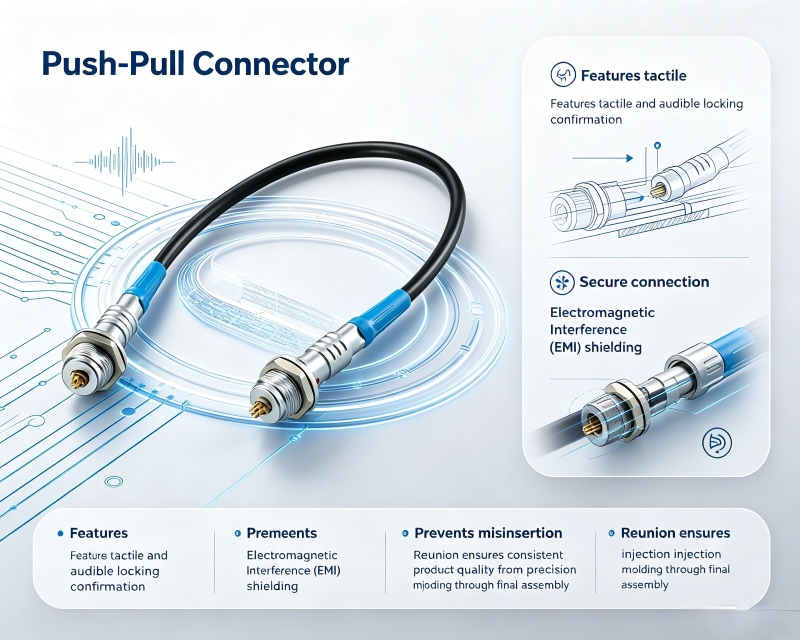
Waterproof connectors appear in outdoor lighting, marine electronics, food processing machinery, and medical devices that undergo disinfection. The appropriate interface depends on signal and power requirements. For example, M12 Series Connector designs with sealed coupling nuts are widely used for sensors and fieldbus connections exposed to washdown. In applications requiring frequent manual connection, Push-Pull Connector variants can integrate the same sealing elements while retaining one-handed operation. For mixed current and data needs, the Power and Signal Connector category discusses hybrid layouts that can be produced in sealed versions.
Manufacturing and Test Capability at REUNION
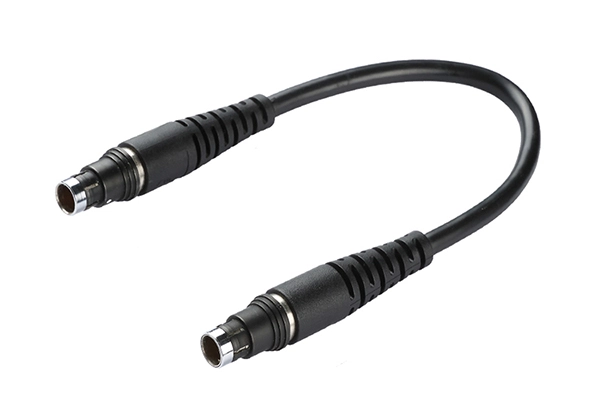
The Shenzhen facility covers approximately 4,000 square meters, operates 10 production lines, and employs around 150 people. In-house cable processing includes cutting, stripping, soldering, and overmolding, which allows complete sealed Cable Assembly production under one quality system. The engineering team completes over 30 custom projects per year, with support from 13 patents and 2 software copyrights. Finished waterproof connectors are tested for continuity, insulation resistance, and ingress protection according to the specified IP rating before shipment.
Quality Systems and Documentation
REUNION maintains ISO 9001 and ISO 14001 certifications, with ISO 13485 applied to medical-related sealed products. Compliance testing is conducted to UL, CB, and CQC standards where applicable. Batch records are stored in the ERP system, linking raw material certificates, production parameters, and final test results for full traceability. This documentation is particularly important for customers who must demonstrate environmental reliability to their own clients or regulators.
Frequently Asked Questions
What is the difference between IP67 and IP68 for waterproof connectors?
IP67 means the connector can withstand temporary immersion in water up to 1 meter for 30 minutes. IP68 indicates continuous immersion, but the depth and duration are defined by the manufacturer. REUNION specifies the exact test conditions for each IP68-rated product so customers can verify suitability for their application.
How do I select the right seal material for a waterproof connector?
The choice depends on the chemicals, temperature range, and mechanical stress the seal will face. Silicone works well across a broad temperature range, EPDM is suitable for hot water and steam, and nitrile resists oil. REUNION can recommend a material based on the specific cleaning agents, operating temperatures, and expected mating cycles.
Can waterproof connectors be supplied with pre-molded cable assemblies?
Yes. Overmolding the cable entry point eliminates one potential leak path and provides robust strain relief. REUNION produces complete sealed cable assemblies with custom lengths and wire gauges, then tests each unit for ingress protection and electrical performance before dispatch.