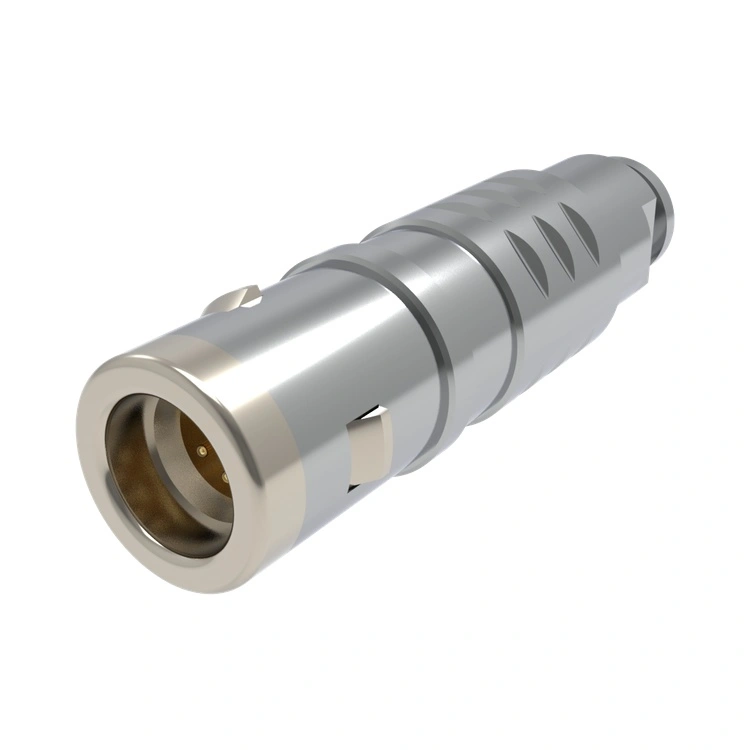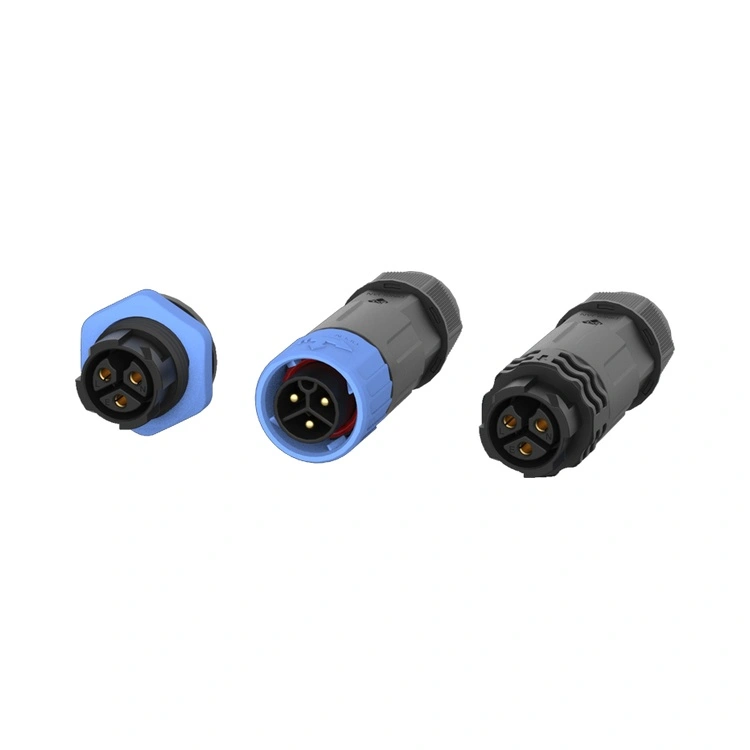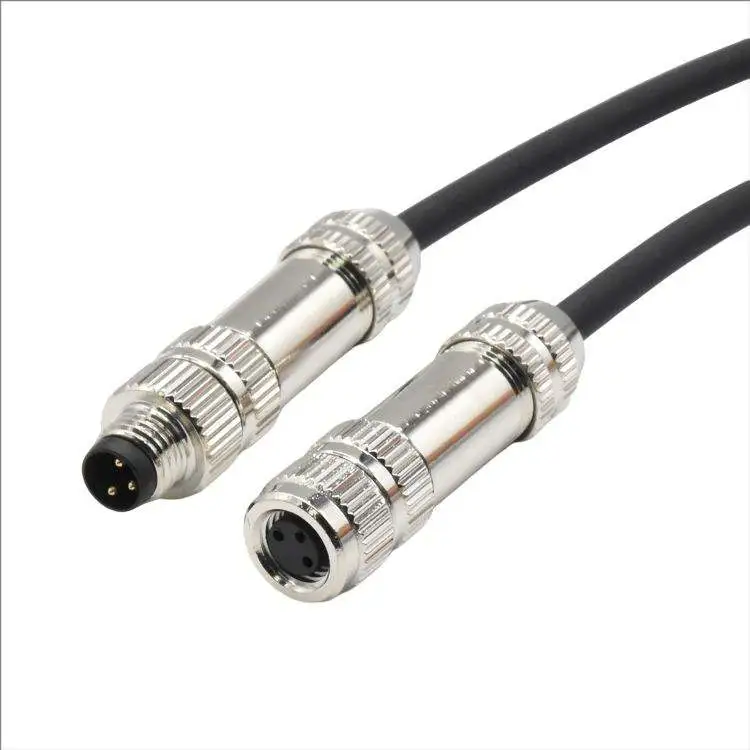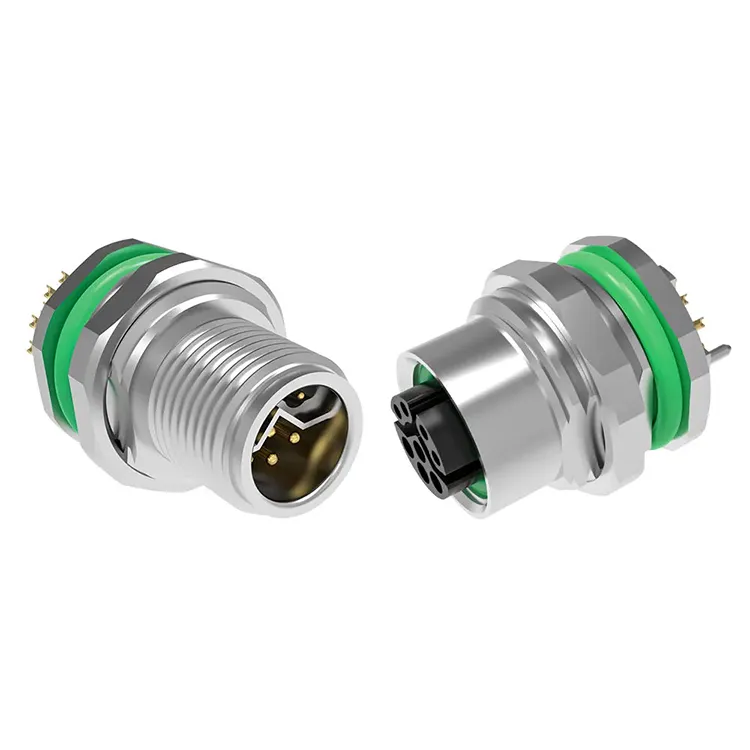
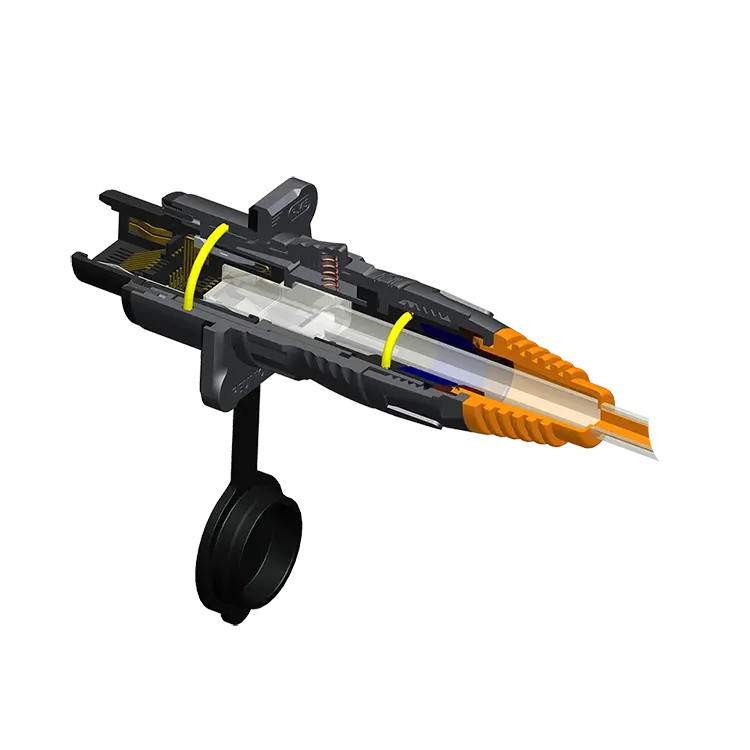
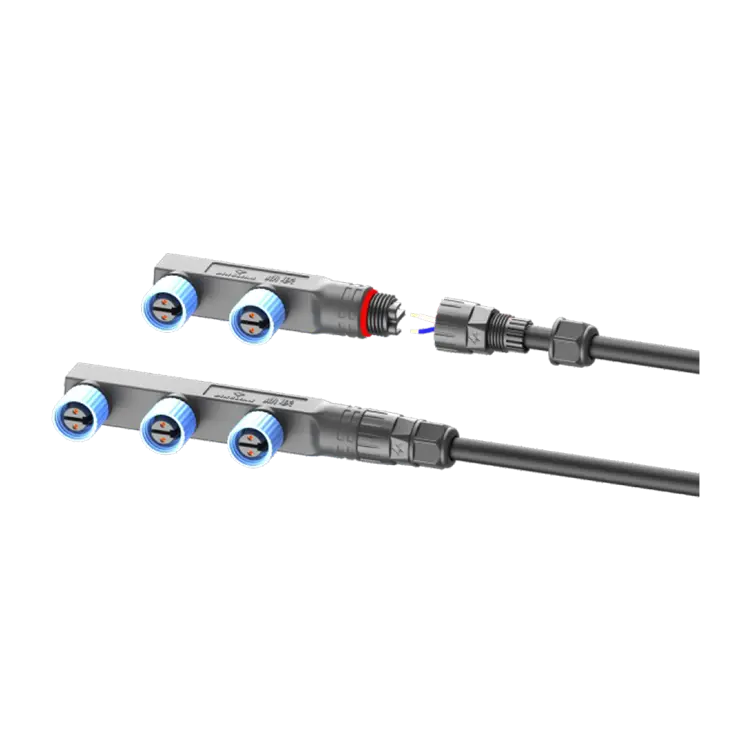
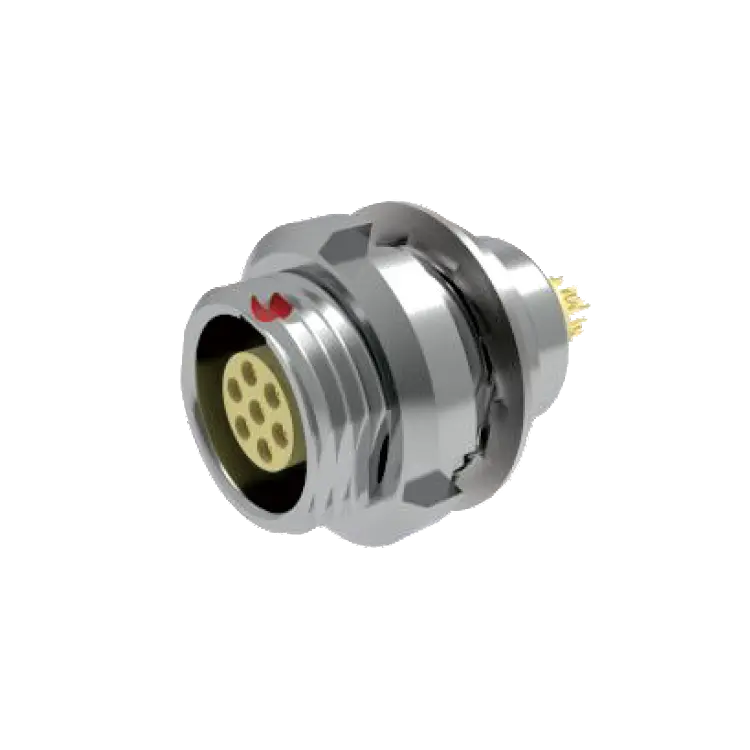

Modern automation systems depend on stable connections between sensors, controllers, machines, and communication networks. Reunion's M12 Series Industrial Sensor Connector is designed for these demanding environments, combining a standardized 12 mm threaded interface, IP67 protection, multiple pin configurations, and reliable signal transmission for industrial sensing and automation applications.
The M12 connector has become a practical connection standard for industrial sensors because it balances compact size, mechanical security, environmental protection, and electrical performance. For applications ranging from proximity and photoelectric sensors to pressure, temperature, and IO-Link devices, choosing the correct M12 configuration can directly affect system reliability. Reunion provides M12 sensor connector solutions with 2- to 17-pin configurations, A-coded options, shielded or unshielded designs, gold-plated brass contacts, and customized cable assemblies. With IP67 protection, 100% electrical testing, and DIN EN 61076-2-101 compliance, the connector family is suitable for demanding factory environments, packaging equipment, automotive electronics, food processing machinery, and other industrial automation systems.

Table of Contents
- What Is an M12 Series Industrial Sensor Connector?
- Why Is the M12 Connector Widely Used in Industrial Automation?
- What Key Features Should Engineers Look For?
- M12 Connector Technical Specifications at a Glance
- Where Are M12 Sensor Connectors Commonly Used?
- How Should You Select the Right M12 Sensor Connector?
- What Makes Reunion's M12 Solution a Practical Choice?
- Frequently Asked Questions
- Conclusion
What Is an M12 Series Industrial Sensor Connector?
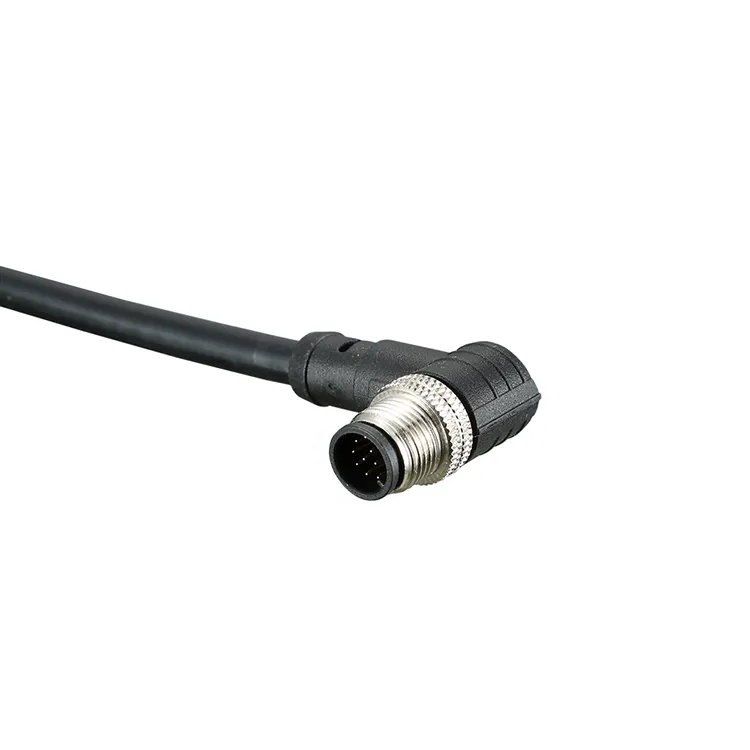
An M12 connector is a compact circular connector with a nominal 12 mm interface, commonly used to connect industrial sensors and automation components. Its threaded coupling mechanism creates a secure connection that is less vulnerable to vibration than many conventional plug-and-socket designs.
The M12 Series Industrial Sensor Connector is particularly associated with sensor applications because the A-coded configuration supports common industrial sensing functions. Depending on the pin count and electrical design, an M12 connection can transmit power, discrete signals, analog signals, or digital communication.
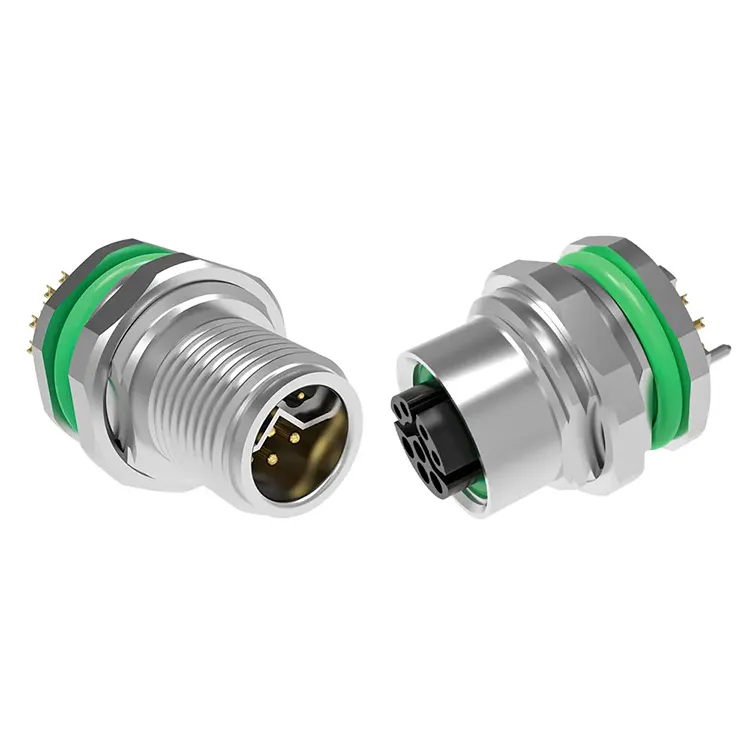
Reunion's M12 series is designed according to DIN EN 61076-2-101 and is available in configurations from 2 to 17 pins. The product range also includes shielded and unshielded versions, different termination methods, and cable assemblies for different equipment layouts.
Why Is the M12 Connector Widely Used in Industrial Automation?
Industrial sensors frequently operate in environments where vibration, dust, moisture, oil, chemicals, and repeated mechanical movement are unavoidable. A connector used in these conditions must do more than simply transfer an electrical signal.
1. Secure threaded connection
The threaded coupling mechanism helps maintain stable mating when sensors are installed on moving machinery, conveyors, robotic equipment, and production lines. This reduces the possibility of intermittent connections caused by vibration.
2. Compact industrial design
The 12 mm form factor provides a useful balance between installation space and connection capability. Engineers can integrate sensors into relatively compact machine structures without using oversized connectors.
3. Environmental protection
IP67 protection in the mated condition helps protect the connection from dust and temporary water immersion. This makes suitable M12 configurations useful for washdown areas, outdoor equipment, and high-particulate production environments.
4. Support for intelligent sensors
Industrial automation is increasingly moving toward connected sensors and real-time diagnostics. A suitable 4-pin M12 configuration can support IO-Link communication, allowing sensor data and diagnostic information to travel through the same connection infrastructure.
What Key Features Should Engineers Look For?
Not every M12 connector is identical. When specifying a connector for an industrial sensing system, engineers should evaluate electrical performance, environmental protection, mechanical construction, and compatibility with the intended sensor.
- A-coded interface: A common configuration for industrial sensor applications.
- 2- to 17-pin options: Allows the connector to accommodate simple and more complex signal requirements.
- IP67 protection: Suitable for many demanding factory and outdoor environments when correctly mated.
- Gold-plated contacts: Brass contacts with gold plating help maintain low contact resistance and corrosion resistance.
- Shielded versions: Useful for applications where electromagnetic interference can affect analog or digital signals.
- PUR cable options: Suitable for environments involving oil, cutting fluids, chemicals, or frequent movement.
- Multiple termination methods: Solder, dip-solder, crimp, and flying-lead configurations support different installation requirements.
For smart sensing applications, shielding, cable construction, contact quality, and signal integrity become particularly important. Selecting these characteristics according to the actual operating environment can help reduce connection-related failures.
M12 Connector Technical Specifications at a Glance
The following specifications summarize representative electrical and mechanical parameters of Reunion's A-coded M12 sensor connector range.
| Pin Configuration | Current Rating | Voltage Rating | Wire Gauge | Contact Resistance |
|---|---|---|---|---|
| 2-pin | 4A | 250V | 22AWG | ≤3mΩ |
| 3-pin | 4A | 250V | 22AWG | ≤3mΩ |
| 4-pin | 4A | 250V | 22AWG | ≤3mΩ |
| 5-pin | 4A | 250V | 22AWG | ≤3mΩ |
| 6-pin | 2A | 30V | 24AWG | ≤3mΩ |
| 8-pin | 2A | 30V | 24AWG | ≤3mΩ |
| 12-pin | 1.5A | 30V | 26AWG | ≤3mΩ |
| 17-pin | 1.5A | 30V | 26AWG | ≤3mΩ |
General specifications include an operating temperature range of -25°C to +85°C, IP67 protection when mated, at least 100 mating cycles, and 48-hour salt mist resistance. The connector uses PA66 insulation and brass contacts with gold plating. Materials are RoHS compliant, while production units undergo electrical testing before shipment.
Where Are M12 Sensor Connectors Commonly Used?
The combination of compact construction, threaded locking, environmental sealing, and flexible pin configurations makes M12 connectivity suitable for a broad range of automation applications.
Factory automation
Proximity sensors, photoelectric sensors, limit switches, and other machine sensors can use M12 connections to communicate detection signals to PLCs and control systems.
Automotive manufacturing
Automotive production lines often involve high levels of vibration, automated material handling, and extensive sensor networks. A mechanically secure connector can help maintain reliable connections throughout continuous operation.
Packaging machinery
Packaging equipment depends on accurate detection of products, positions, containers, and machine states. M12 sensor connections can simplify wiring between sensors and automation control systems.
Food processing
Washdown environments require connectors with appropriate environmental protection. An IP67-rated M12 connection can be considered where dust and moisture resistance are required, provided that the complete installation is designed and maintained appropriately.
Smart manufacturing and IO-Link
IO-Link-enabled sensors can provide process data and diagnostics in addition to conventional sensing signals. A suitable shielded 4-pin M12 configuration can provide a practical interface for these connected devices.
How Should You Select the Right M12 Sensor Connector?
Choosing an M12 connector should begin with the sensor's electrical and mechanical requirements rather than simply selecting the lowest-cost option.
- Confirm the pin count. Determine how many power, signal, communication, and auxiliary connections are required.
- Check voltage and current requirements. Make sure the selected configuration provides sufficient electrical capacity for the application.
- Choose the coding type. A-coded M12 connectors are commonly associated with sensor and actuator applications.
- Evaluate environmental conditions. Consider water, dust, oil, chemicals, temperature, vibration, and outdoor exposure.
- Determine whether shielding is required. Shielded versions can be advantageous for EMI-sensitive analog and digital communication applications.
- Select the appropriate cable. PUR can be advantageous in demanding industrial environments, while PVC may suit less aggressive applications.
- Specify the connector orientation. Straight and right-angle designs can help optimize cable routing and available installation space.
For IO-Link applications, the 4-pin A-coded configuration is a common choice. Where cable runs, electromagnetic conditions, or machine movement are demanding, the cable construction and shielding should be evaluated together with the connector itself.
What Makes Reunion's M12 Solution a Practical Choice?
Reunion combines connector manufacturing, cable processing, assembly, and electrical testing within an integrated production process. This approach provides greater control over critical manufacturing stages, from precision machining and selective plating to injection molding and final inspection.
The company's M12 connector production includes automated assembly and 100% electrical verification covering continuity, insulation resistance, and dielectric withstand. Batch environmental testing is also used for parameters such as IP67 sealing and salt mist resistance.
For OEMs and system integrators, customization can extend beyond the connector body. Available options include:
- 2- to 17-pin configurations
- Custom cable lengths from 0.2 m to 20 m
- PUR or PVC cable jackets
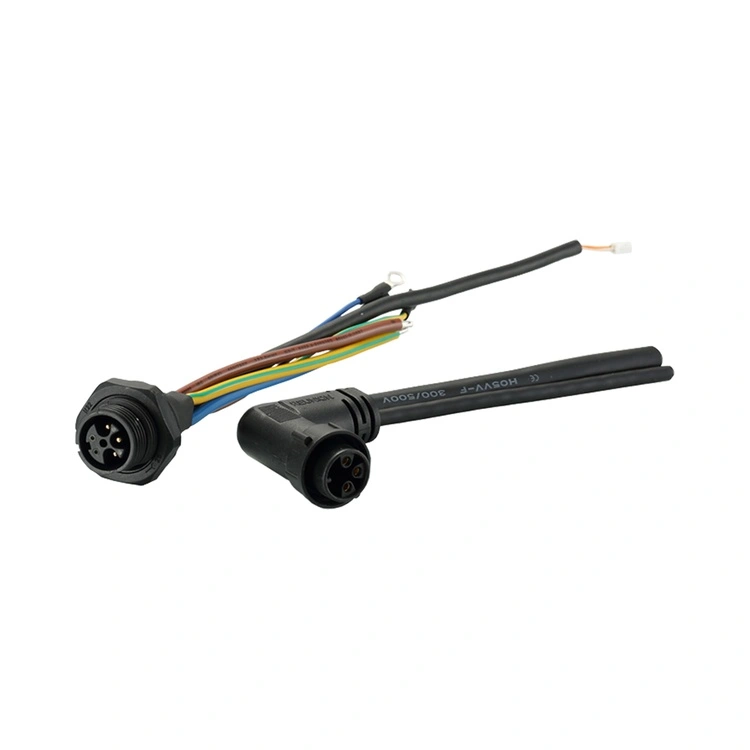
- Straight or right-angle configurations
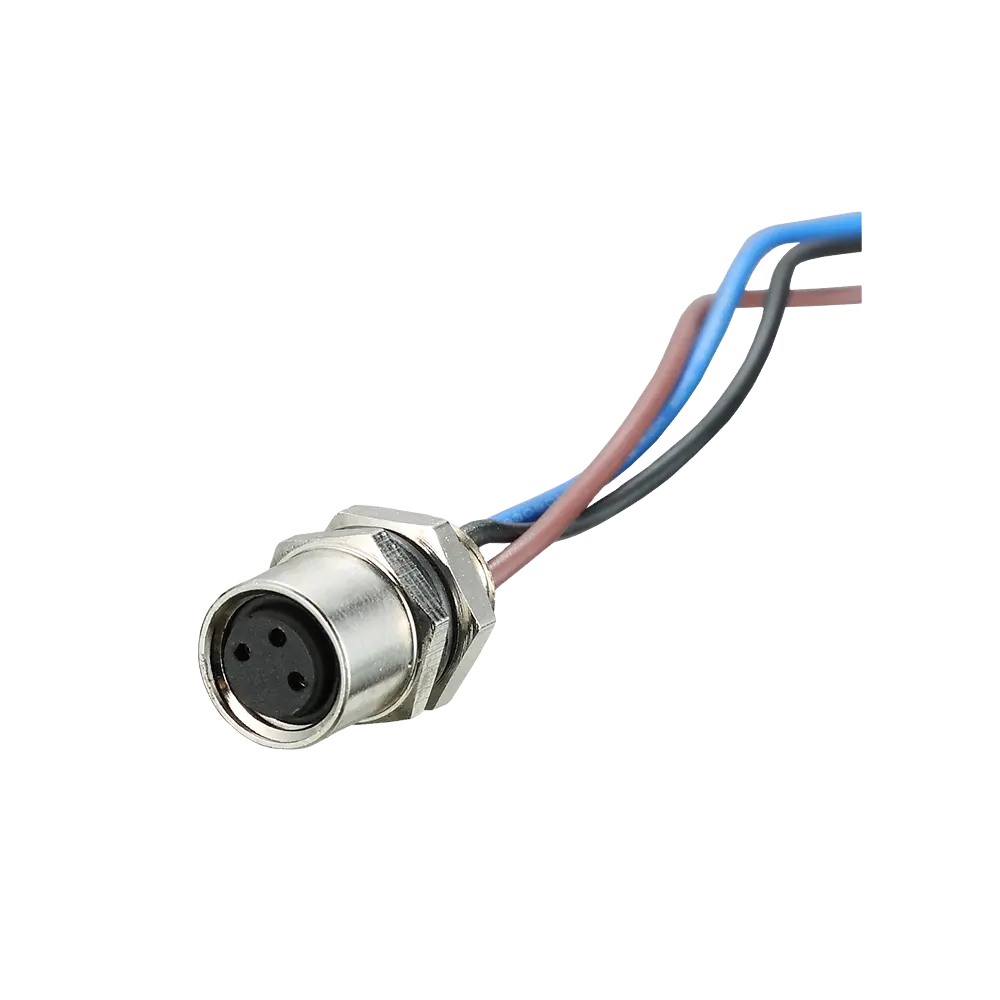
- Panel-mount or cable-mount designs
- Shielded or unshielded construction
- Solder, crimp, dip-solder, or flying-lead termination
- Custom cable marking and packaging
For buyers evaluating suppliers, quality systems and traceability can be just as important as the connector's physical specifications. Reunion states that its production operates under ISO 9001, ISO 14001, and ISO 13485 management systems, with RoHS-compliant materials and retained inspection documentation.
Frequently Asked Questions
1. What is an M12 Series Industrial Sensor Connector mainly used for?
An M12 sensor connector is mainly used to connect industrial sensors with control systems, PLCs, I/O modules, and automation equipment. Typical applications include proximity sensors, photoelectric sensors, pressure sensors, temperature sensors, and IO-Link devices.
2. Which M12 configuration is commonly used for IO-Link?
A 4-pin A-coded M12 configuration is commonly used for IO-Link sensor applications. A typical arrangement provides power connections and the C/Q communication line. Shielded versions and appropriate industrial cable construction can be selected where electromagnetic interference or longer cable runs are concerns.
3. Can an M12 connector transmit both power and data?
Yes. Depending on the pin configuration and application, an M12 connection can carry both power and signal or communication functions. For example, a 4-pin configuration can support power and IO-Link data, while higher-pin-count versions can accommodate additional signals.
4. Is an M12 connector suitable for wet or dusty industrial environments?
Appropriately designed and correctly mated M12 connectors can provide strong environmental protection. Reunion's sensor connector range is rated IP67 in the mated condition, making it suitable for many dusty, wet, outdoor, and washdown-related applications. The complete installation should always be evaluated for the actual environmental conditions.
5. What cable options are available for customized M12 assemblies?
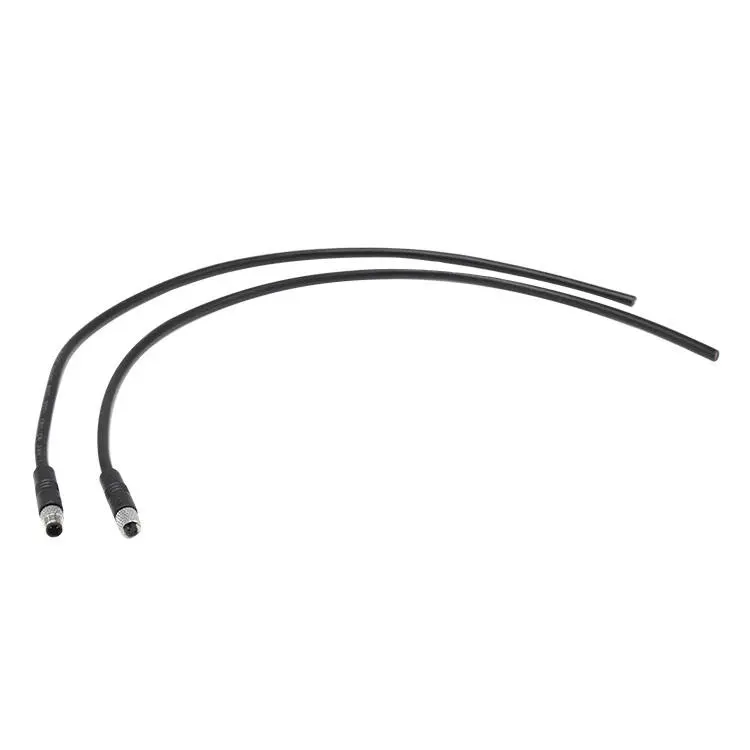
Customized assemblies can be supplied with different cable lengths, PUR or PVC jackets, straight or right-angle connector configurations, shielding options, and single-ended or double-ended cable assemblies. This allows the connection to be adapted to different machine layouts and sensor installation requirements.
Conclusion
A reliable sensor network starts with reliable physical connections. The right M12 connector can provide secure mechanical mating, environmental protection, low contact resistance, flexible signal capacity, and compatibility with modern automation architectures. With multiple pin configurations, shielded options, IP67 protection, and customized cable assemblies, Reunion's M12 solution can support a wide range of industrial sensing requirements. If you are planning a new sensor system or replacing existing industrial connectors, learn more about the M12 Series Industrial Sensor Connector and contact us for technical guidance, customized specifications, and an application-focused quotation.