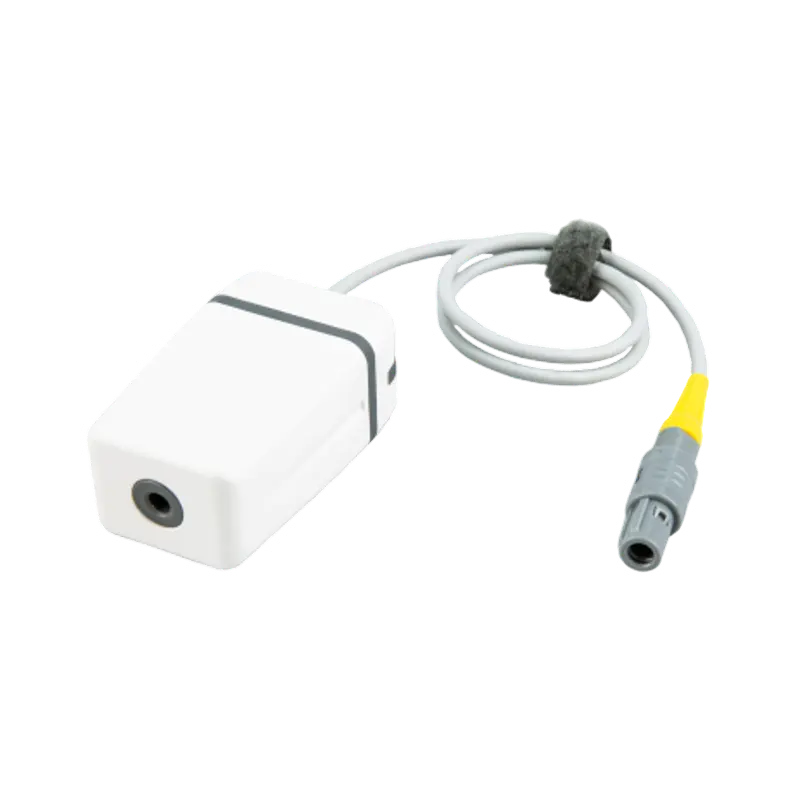
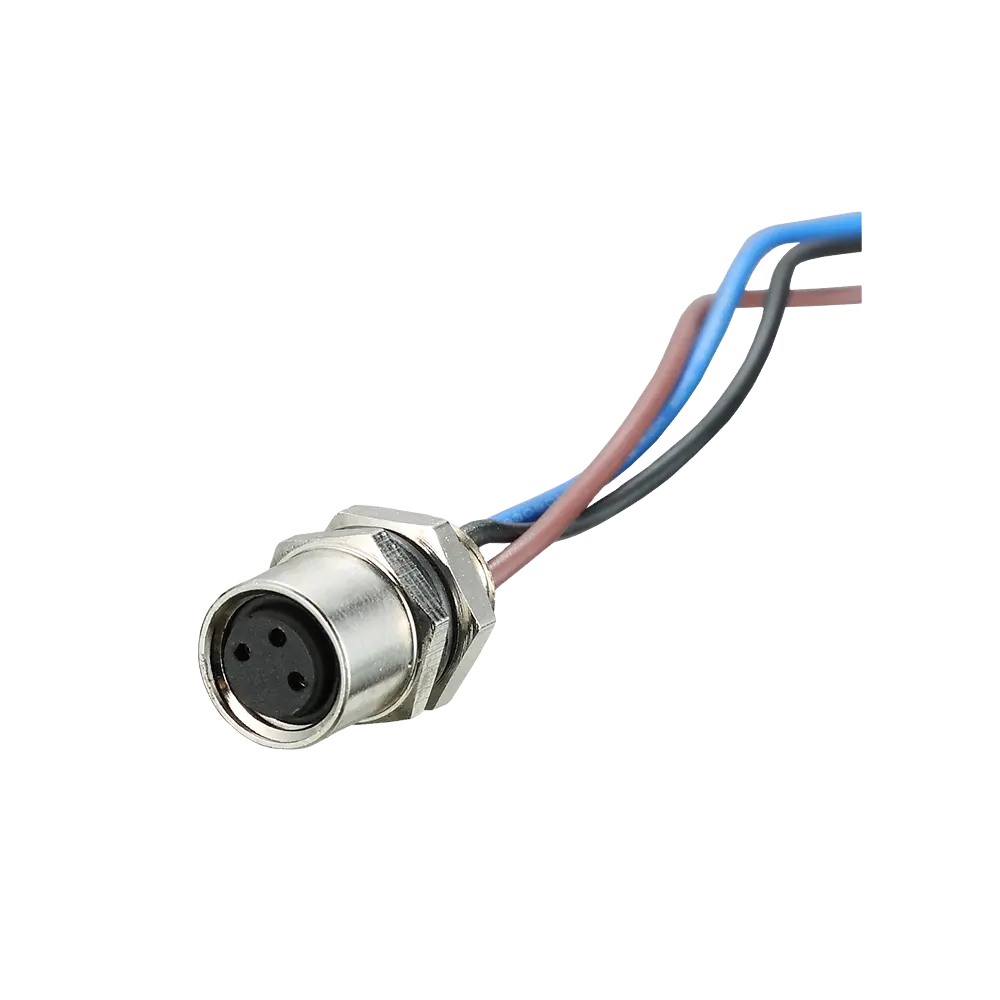
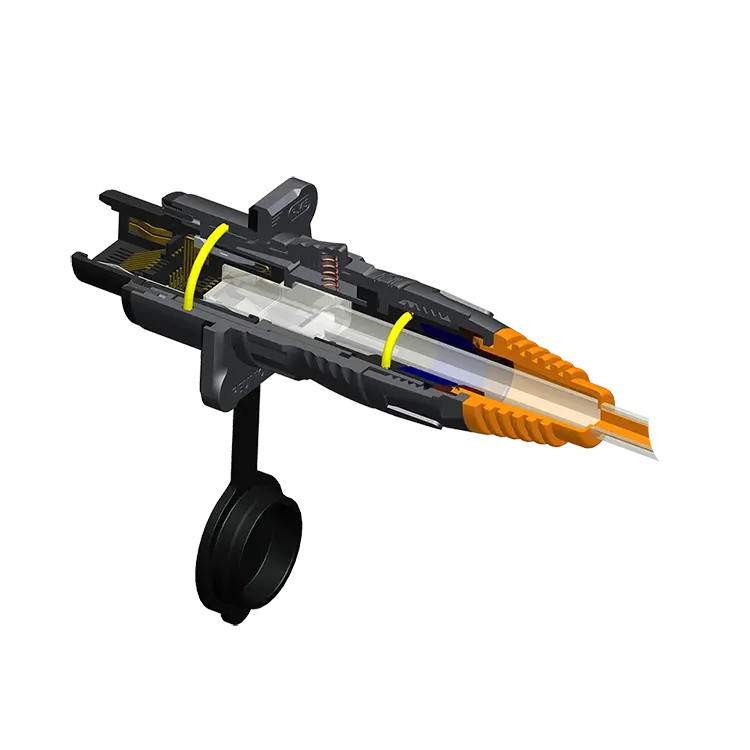
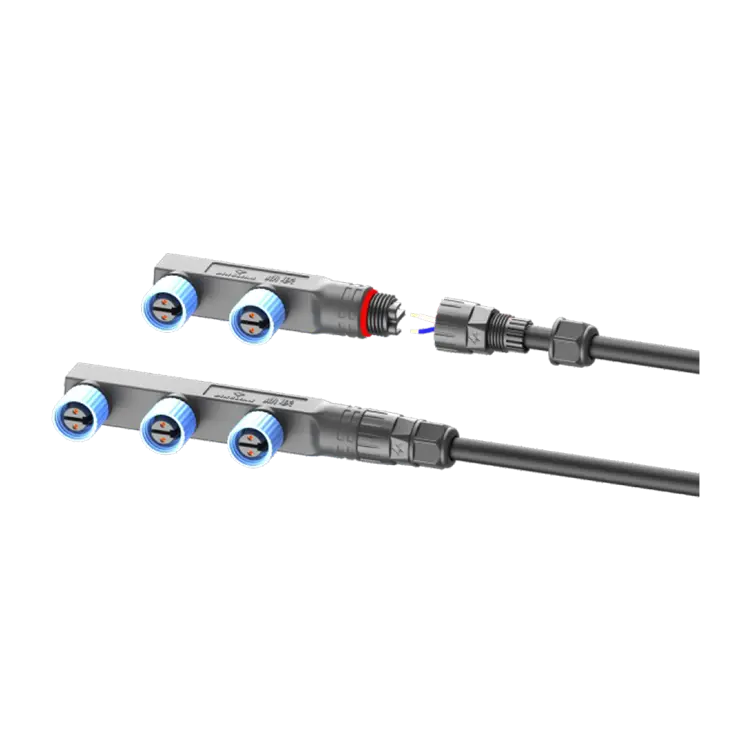
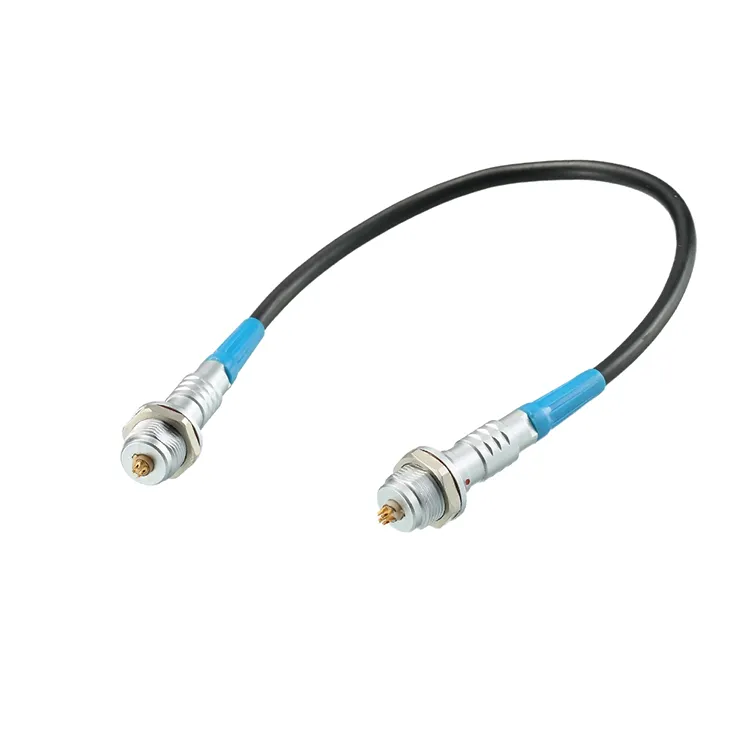
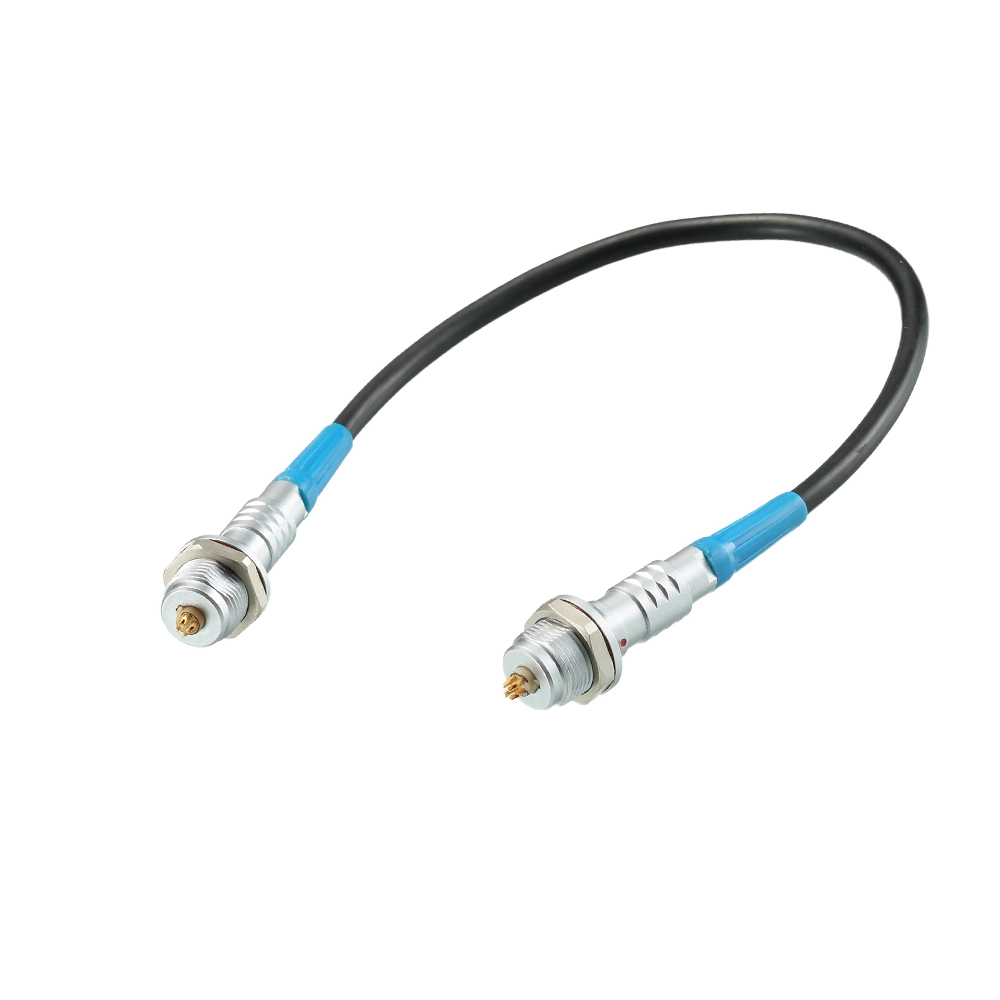
Robot cable assemblies from Shenzhen REUNION Electronic Co., Ltd. are designed for the mechanical and electrical demands of articulated arms, collaborative robots, and automated handling systems. The company has supplied interconnect solutions to robotics integrators and equipment builders since 2011, with a focus on cables that maintain signal and power integrity through continuous bending, torsion, and acceleration cycles.
Mechanical Stress and Flex Life Requirements
Cables inside robot arms experience repeated bending at joint axes, twisting along the wrist, and abrasion against internal guides. Standard industrial cable constructions often fail prematurely in these conditions. REUNION selects high-flex conductor stranding, low-friction jacket compounds, and shielded pairs rated for millions of cycles, then validates termination points through rolling flex and torsion testing. Strain relief at the connector exit is designed to prevent conductor fatigue at the solder or crimp interface.
Connector Selection for Robot Interfaces
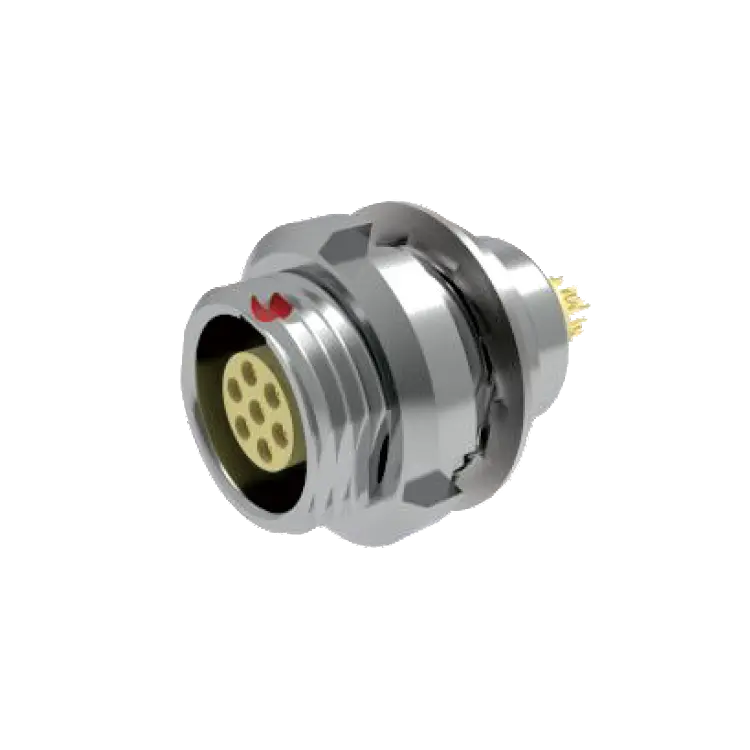
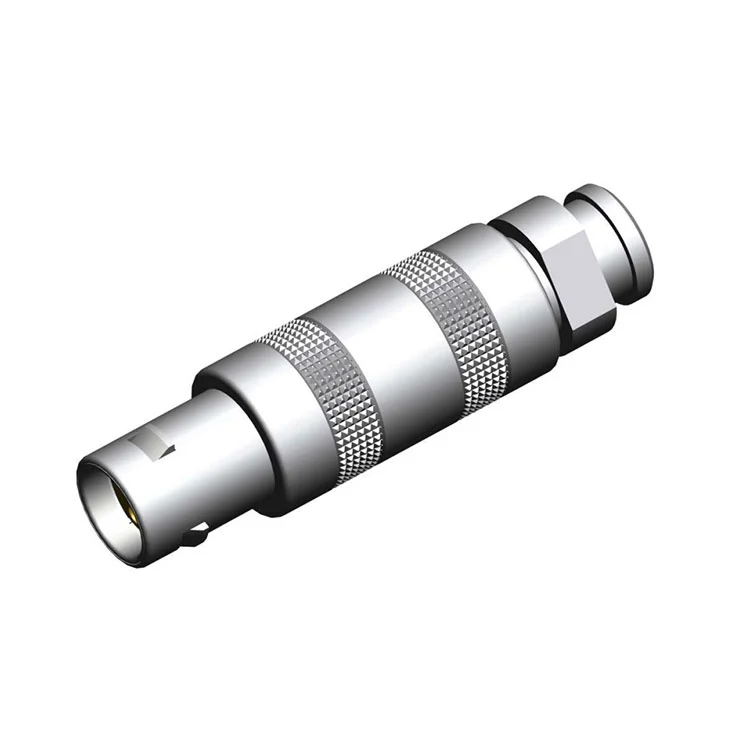
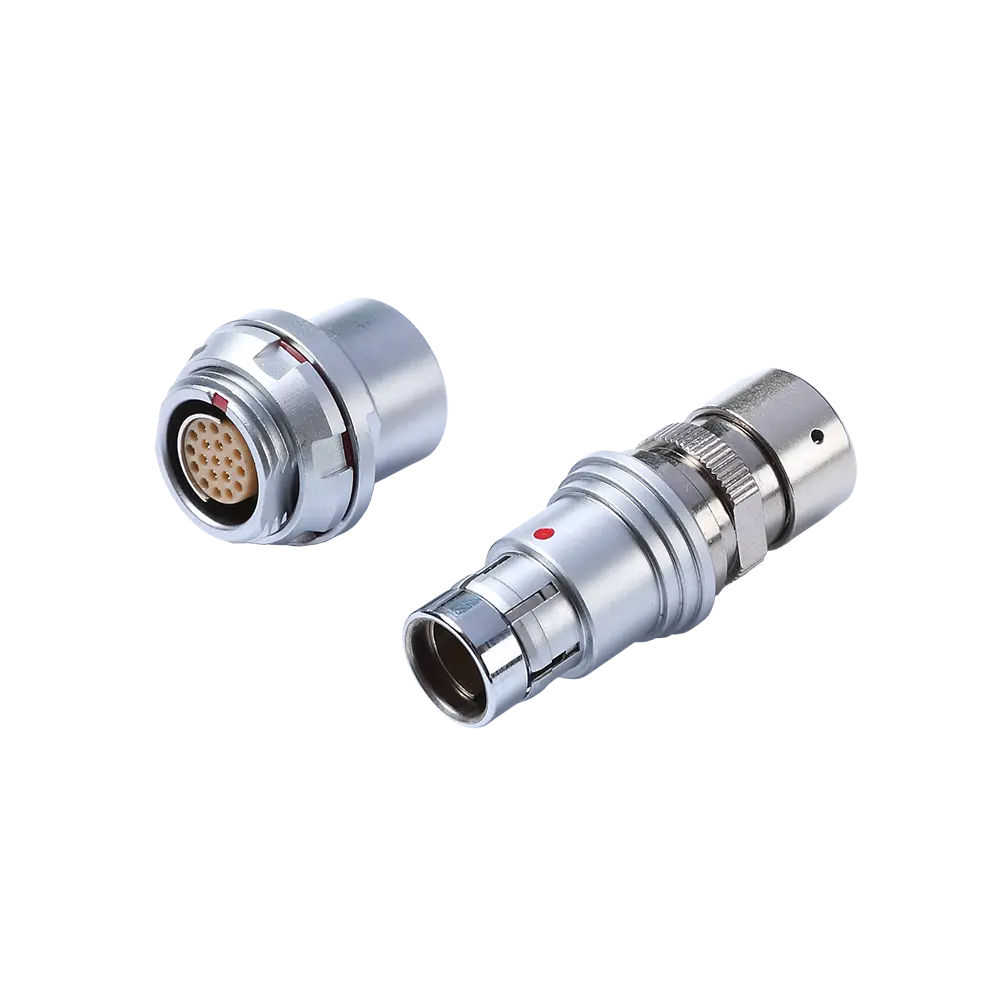
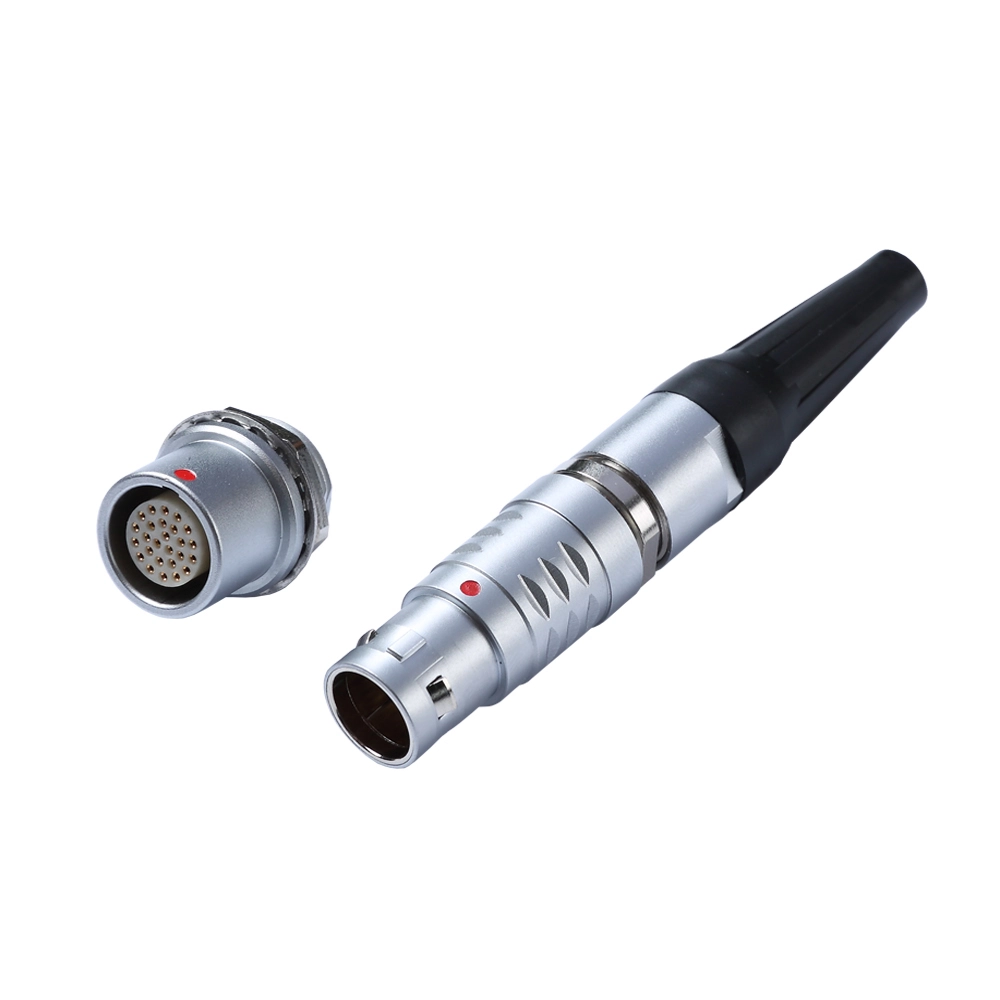
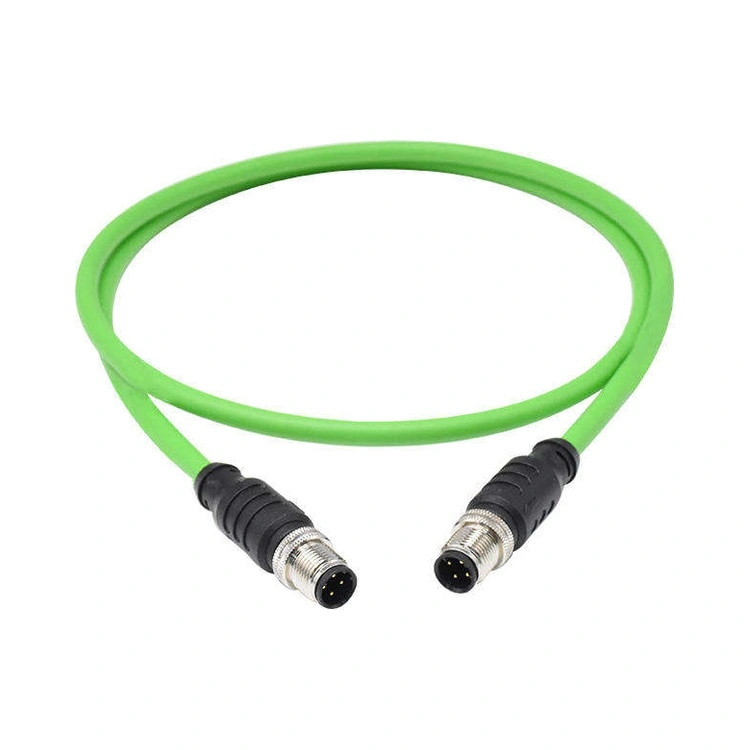
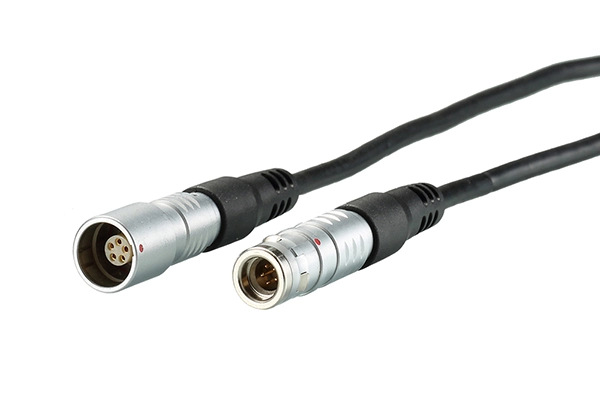
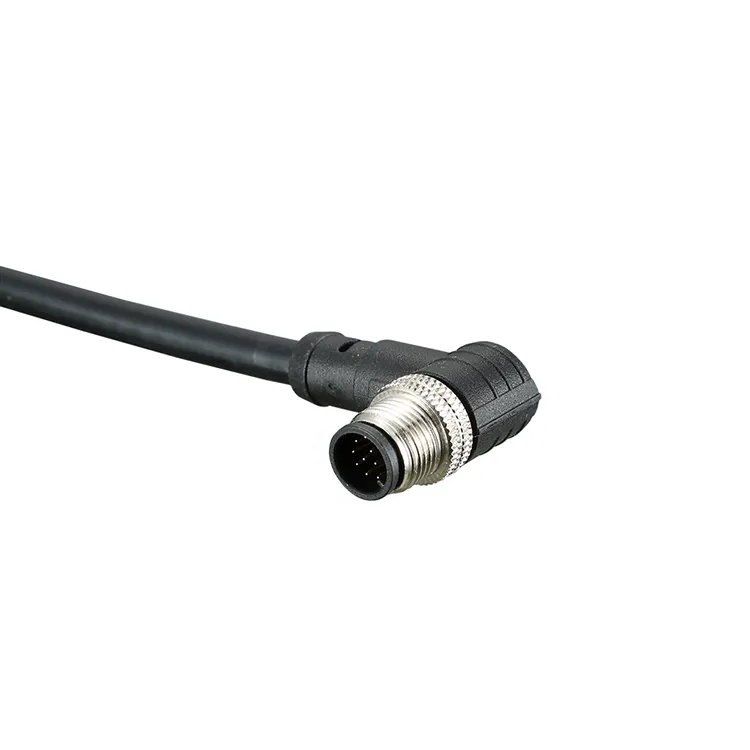
Robot systems frequently use compact circular connectors at joint modules and end-of-arm tooling. M12 Series Connector variants provide a threaded coupling that resists loosening under vibration, while Push-Pull Connector designs allow quick tool changes and blind mating in confined spaces. REUNION integrates these interfaces into complete cable assemblies with custom bend relief and overmolding to match the robot’s cable management path.
Hybrid Power and Signal Transmission
Modern robots route motor power, encoder feedback, brake control, and sensor data through a single umbilical to reduce weight and drag. This requires separating high-current conductors from sensitive signal pairs within the same cable bundle. REUNION applies design principles from the Power and Signal Connector category to manage crosstalk, shielding continuity, and voltage spacing, ensuring both power and data lines perform reliably during movement.
Environmental Protection and Chemical Resistance
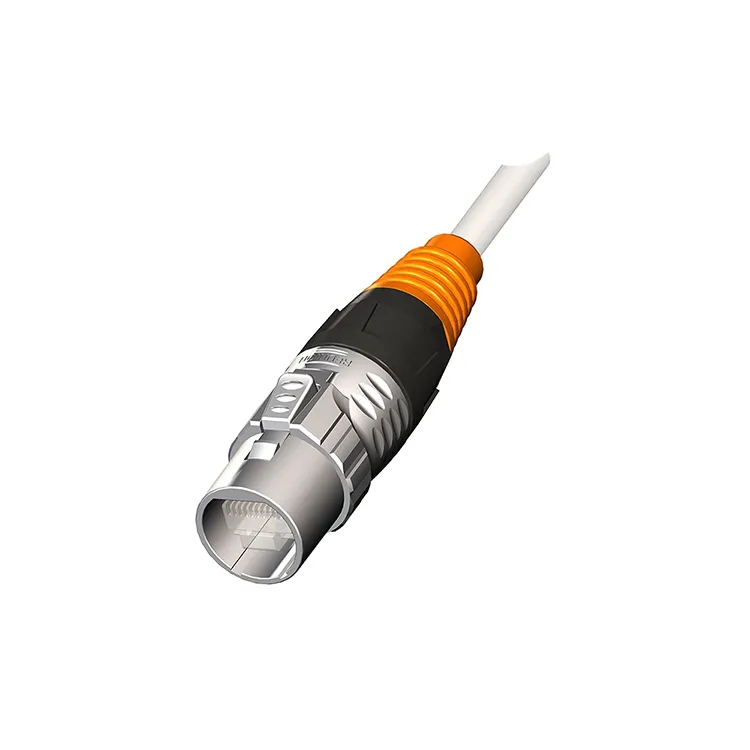
Robotic cells may expose cables to oil mist, cutting fluids, or washdown cleaning. Jacket materials such as PUR resist abrasion and mineral oils, while silicone or TPE options provide flexibility in low-temperature or cleanroom environments. For wet or dusty installations, Waterproof Connector sealing elements can be integrated at mating interfaces and overmolded transitions to achieve IP67 or higher, protecting internal conductors from moisture ingress.
Manufacturing, Testing, and Traceability
REUNION operates a 4,000-square-meter plant with ten production lines and about 150 employees, supporting both prototype and volume builds for robot cable assemblies. In-house processes include wire cutting, stripping, soldering, overmolding, and final electrical testing. Each assembly lot is recorded in the ERP system, linking cable materials, connector batches, and test results for full traceability. The engineering team, backed by 13 patents and 2 software copyrights, completes over 30 customized projects annually and works from customer drawings or functional samples when existing robot harnesses need replication or improvement.
Frequently Asked Questions
How many flex cycles can a robot cable assembly withstand?
Cycle life depends on bend radius, travel distance, and cable construction. REUNION specifies conductor stranding, shield design, and jacket material according to the expected motion profile, then validates through rolling flex and torsion tests. Customers should provide the minimum bend radius and target cycle count during the design review.
Can REUNION build a cable assembly for a collaborative robot with integrated sensors?
Yes. The engineering team can combine power conductors, shielded signal pairs, and even fiber optic elements in one cable bundle, terminated into the appropriate connectors for the robot controller and end effector. Custom keying and overmolded strain relief are available to match the robot’s existing cable routing.
Does REUNION provide waterproof robot cable assemblies for washdown environments?
Yes. Sealed versions with O-rings and overmolded transitions can achieve IP67 or higher, protecting the assembly from water jets and cleaning agents. Material selection covers PUR, silicone, and other compounds resistant to common industrial chemicals.