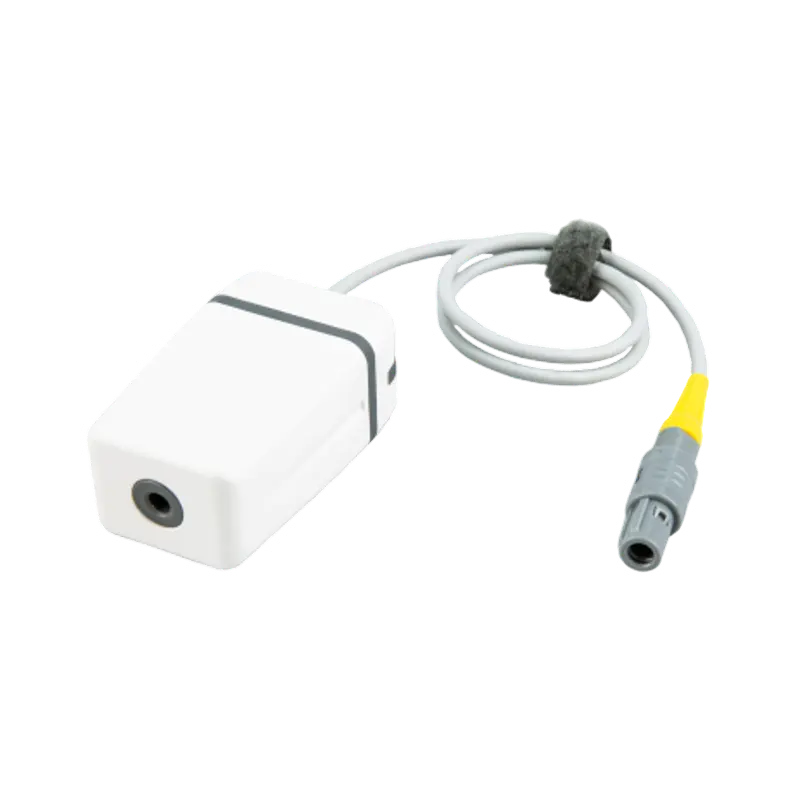
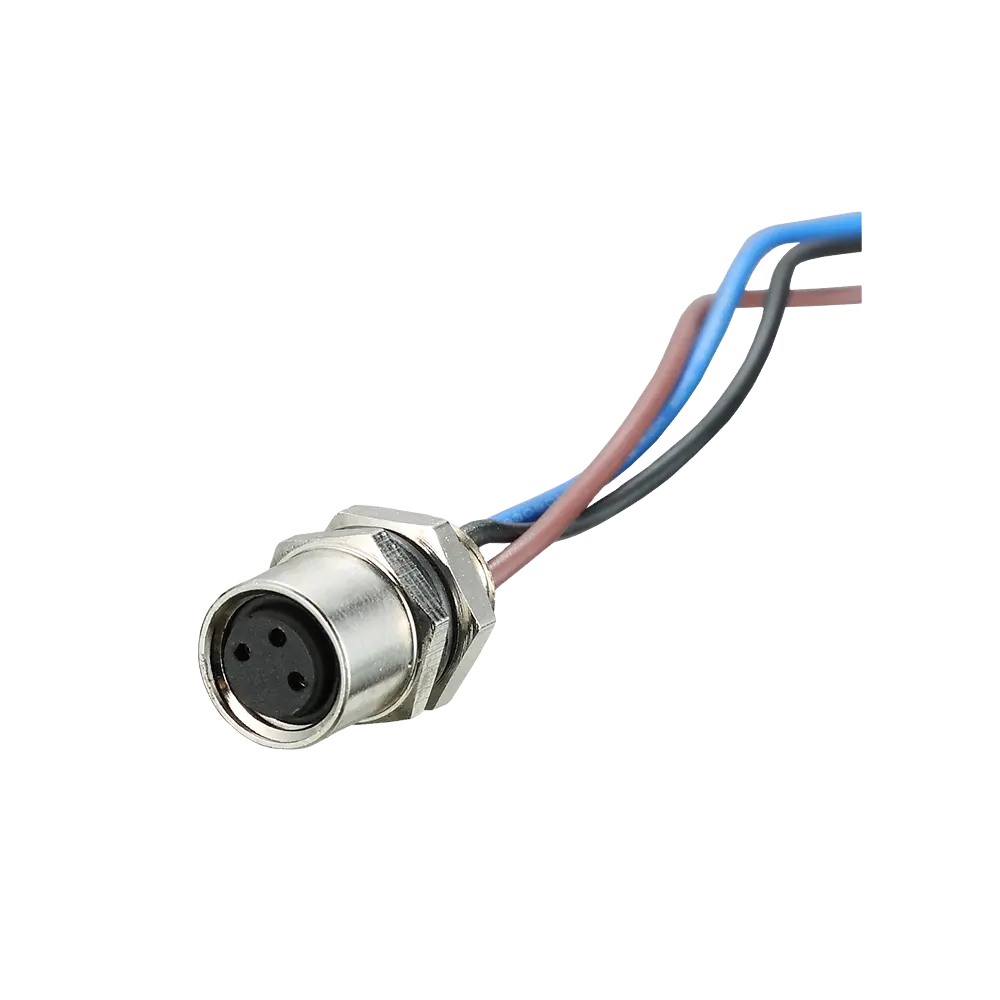
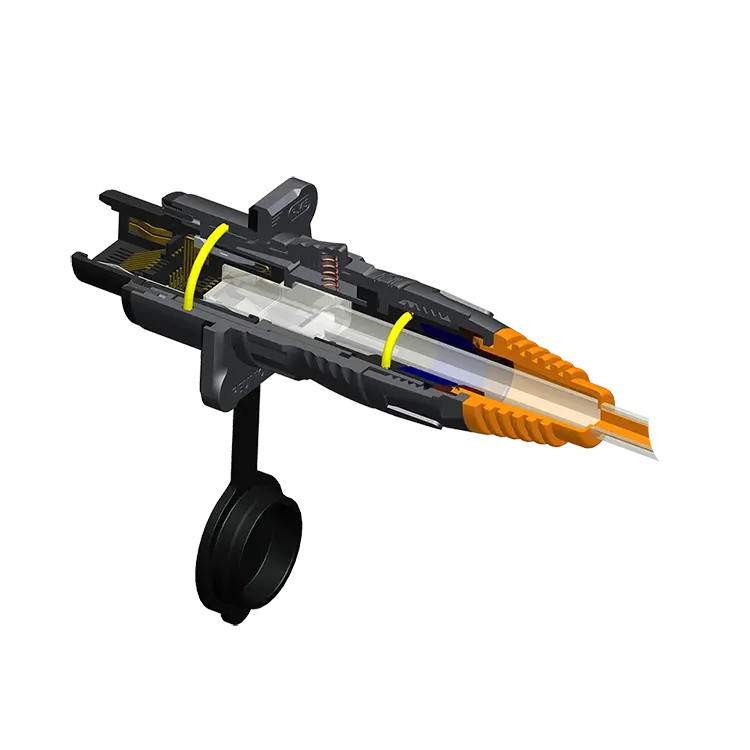
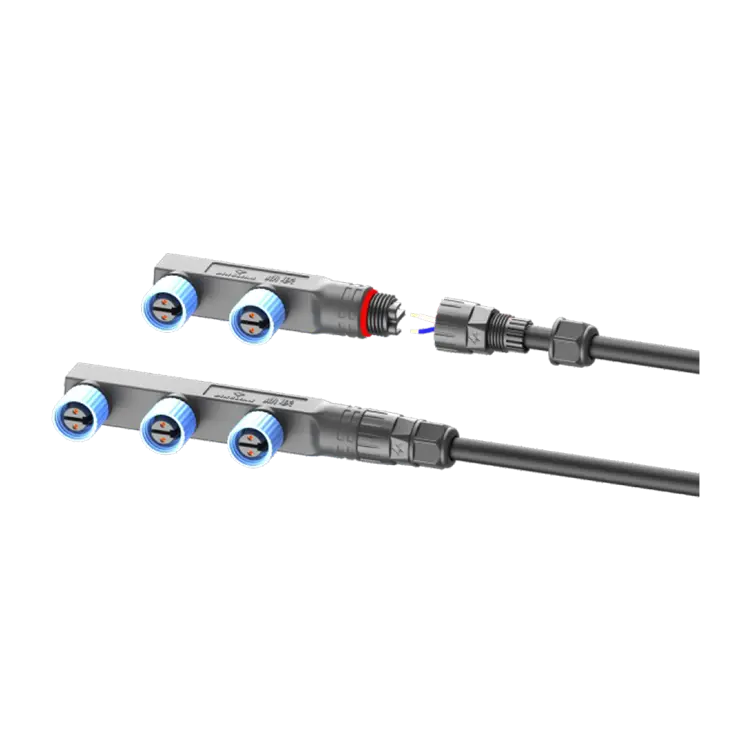
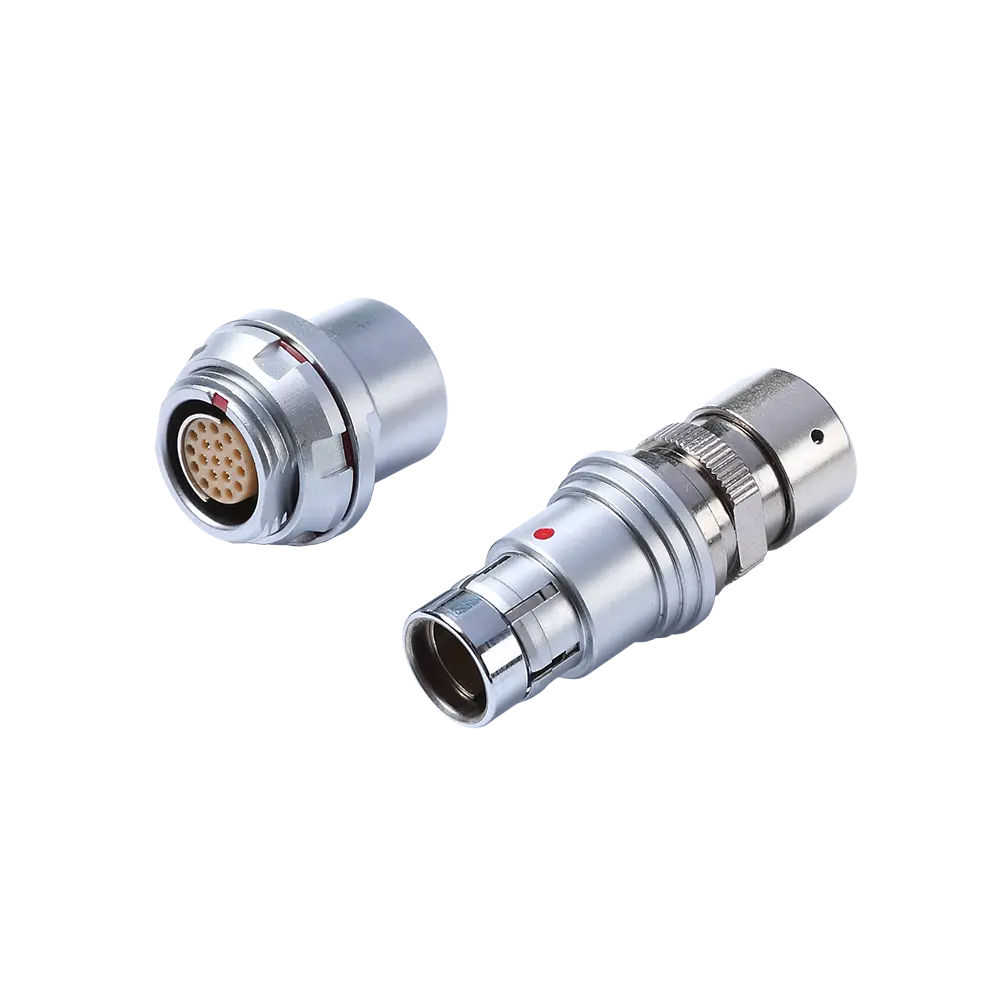
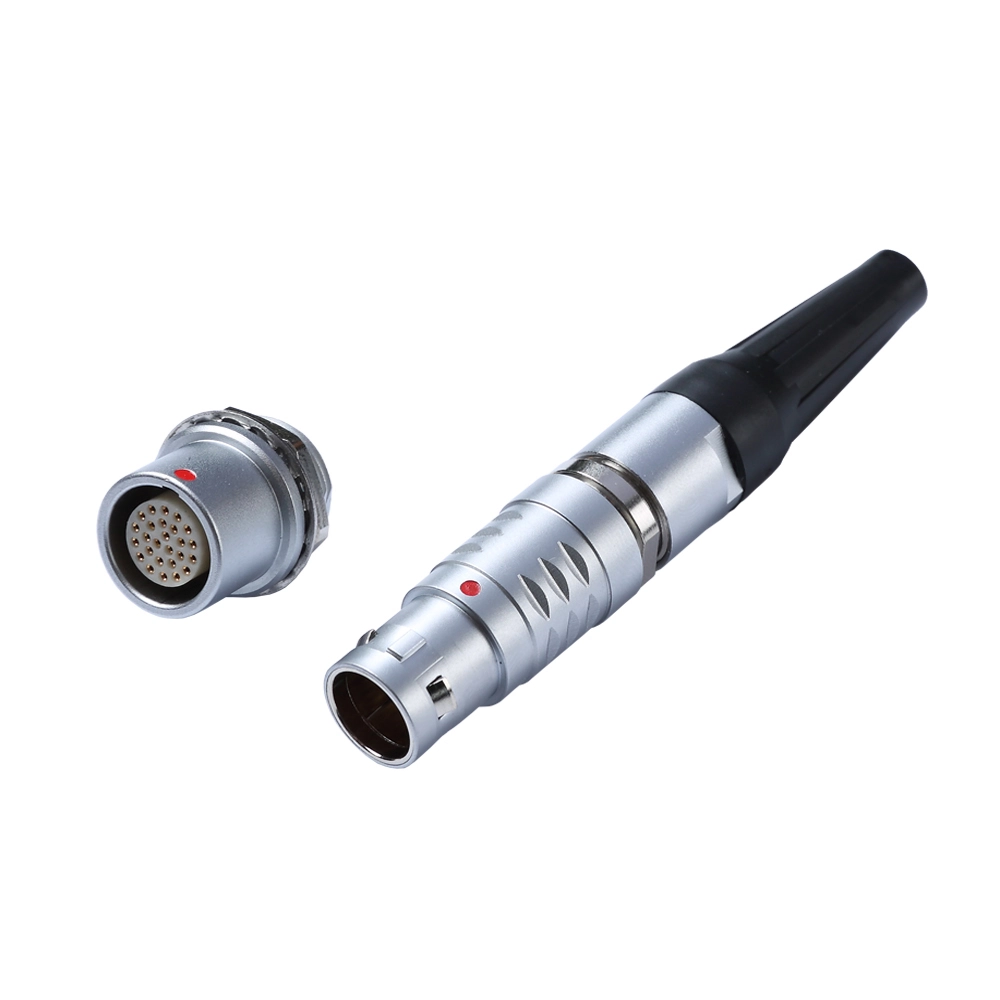
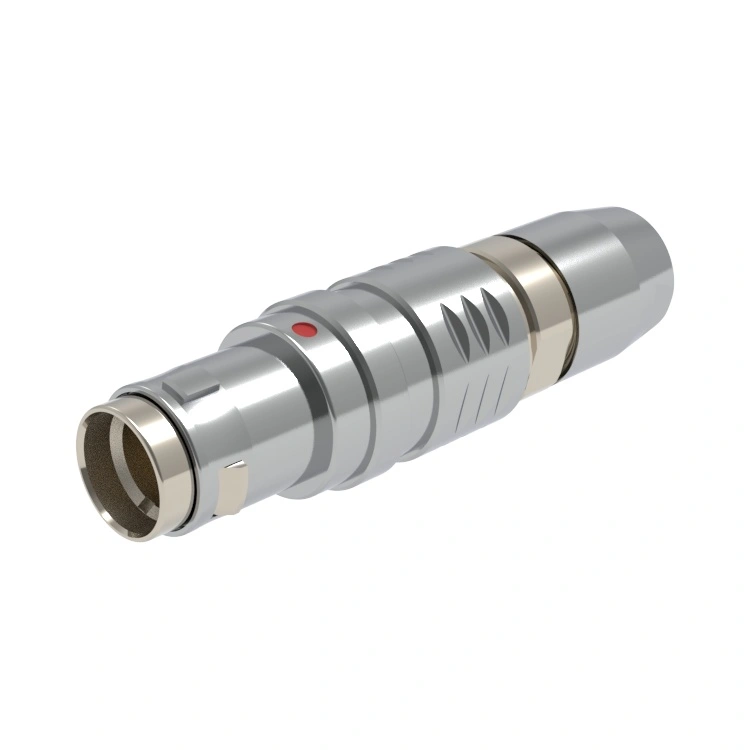
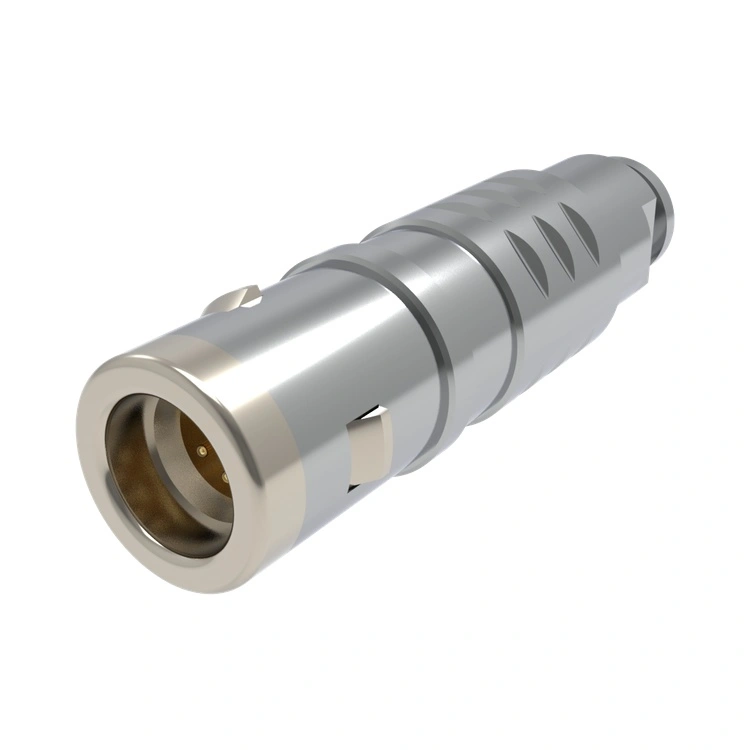
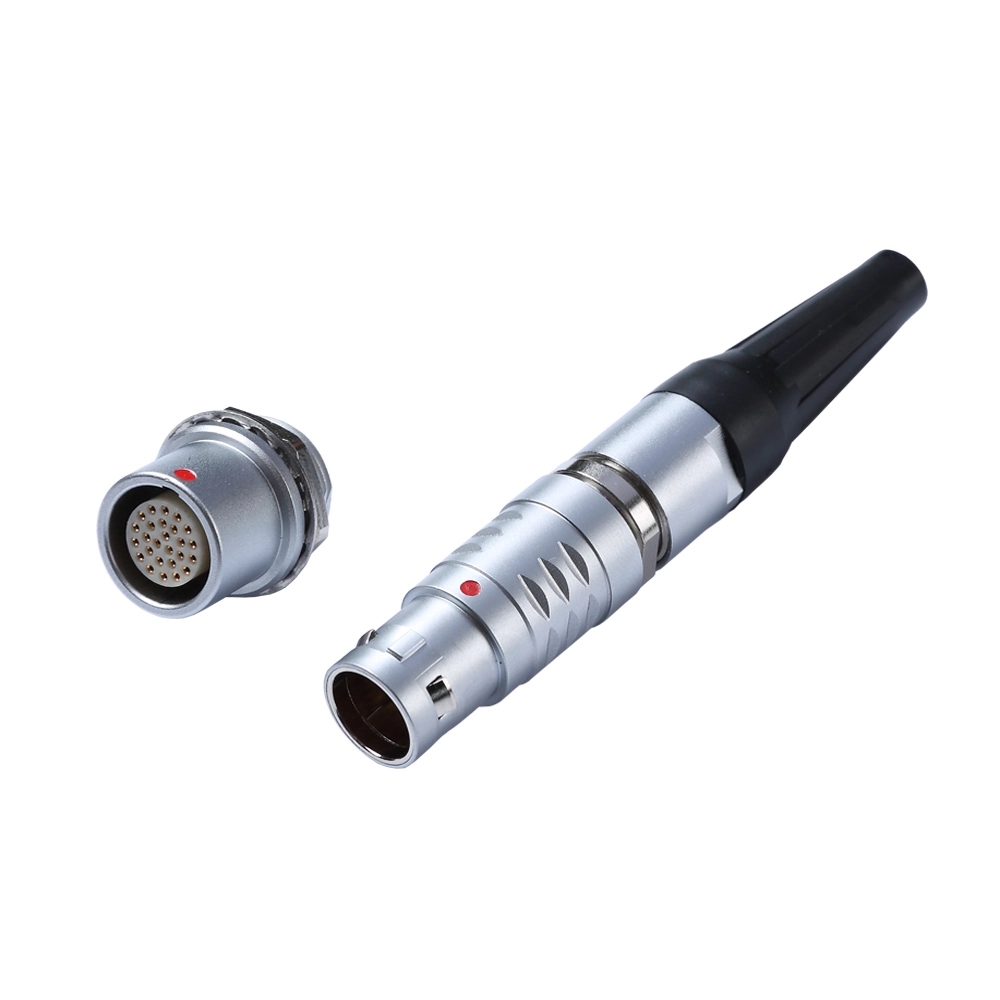
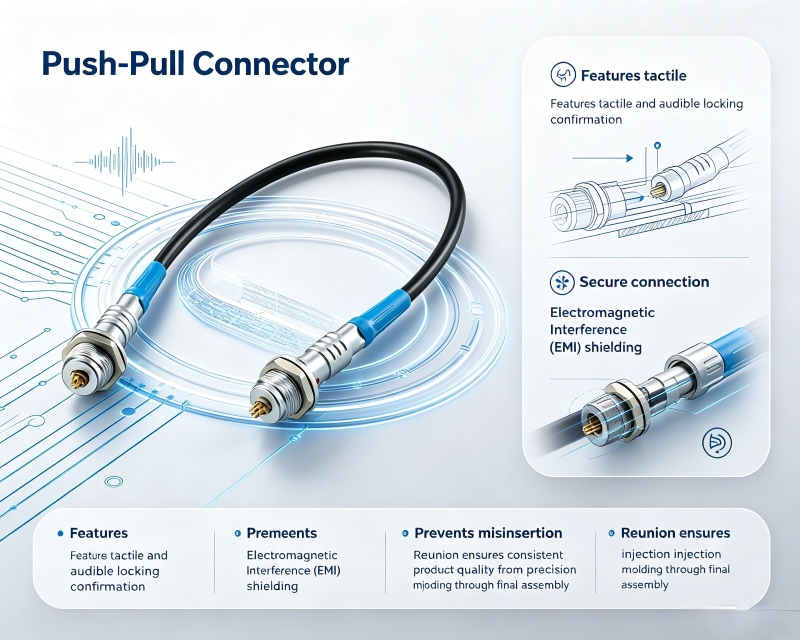
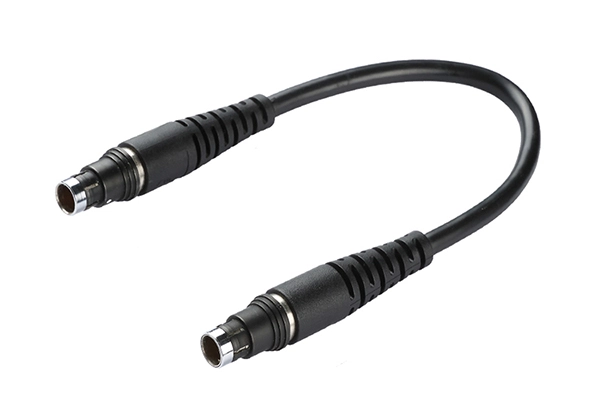
Shenzhen REUNION Electronic Co., Ltd. has produced circular push-pull connectors since 2011, with metal and plastic housing lines developed in parallel. The metal push-pull connector series is built for installations where mechanical stress, electromagnetic interference, or repeated sterilization places higher demands on the interconnect. Typical users include medical device manufacturers, robotics integrators, and industrial equipment builders who require a robust, latching interface that resists accidental release.
Mechanical Strength and Shielding Behavior
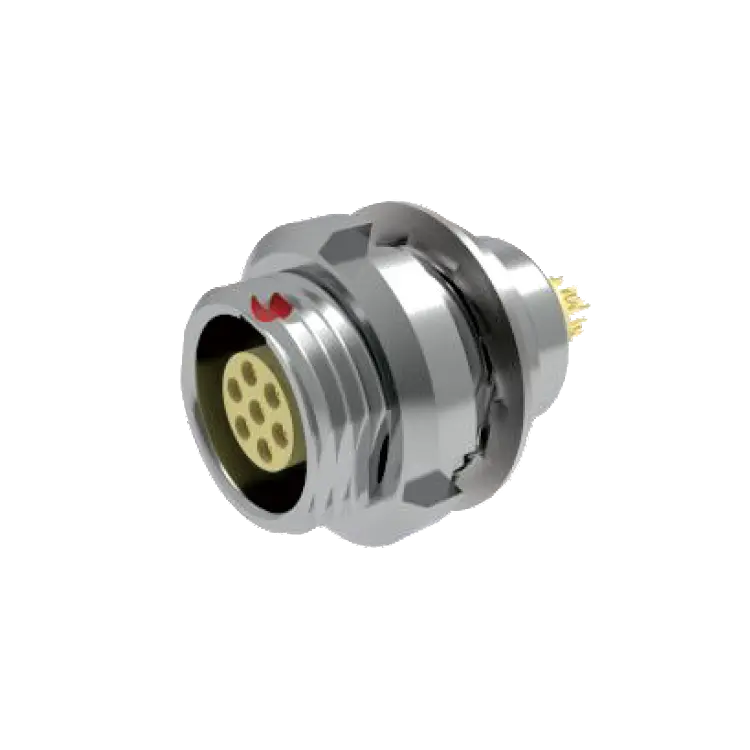
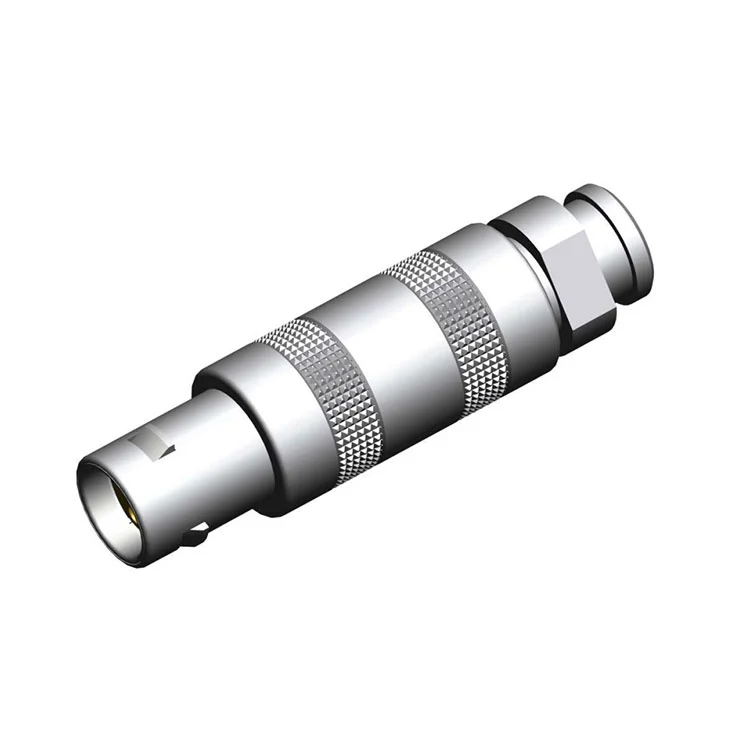
Metal shells made from brass, stainless steel, or aluminum alloy provide a rigid external structure that protects internal contacts from impact, crush forces, and cable side-loads. The conductive housing also creates a continuous shielding path when mated, which helps reduce radiated emissions and improves signal integrity in noisy environments. This makes metal-housing versions a practical choice for motor drives, imaging systems, and test instruments where both power and low-level signals are present.
Material Selection and Surface Treatment
Different base materials serve different operating conditions. Brass with nickel or chrome plating offers a balance of conductivity, wear resistance, and cost. Stainless steel provides superior corrosion resistance and is often selected for food processing, marine, or chemical exposure. Aluminum alloy reduces weight while maintaining structural stiffness for aerospace or portable equipment. REUNION works with approved plating suppliers to control thickness and adhesion, and dimensional checks are performed after surface treatment to ensure consistent mating force.
Sealing Options and Environmental Resistance
When an application involves dust, splash, or temporary immersion, sealed versions incorporate O-rings and gaskets at the panel and cable entry points. These configurations can reach IP67 or IP68 ratings, depending on the model. For users comparing sealed interconnect options, the Waterproof Connector category provides additional context on ingress protection levels and test methods. Non-sealed metal connectors remain suitable for protected indoor equipment where environmental exposure is minimal.
Customization and Assembly Services
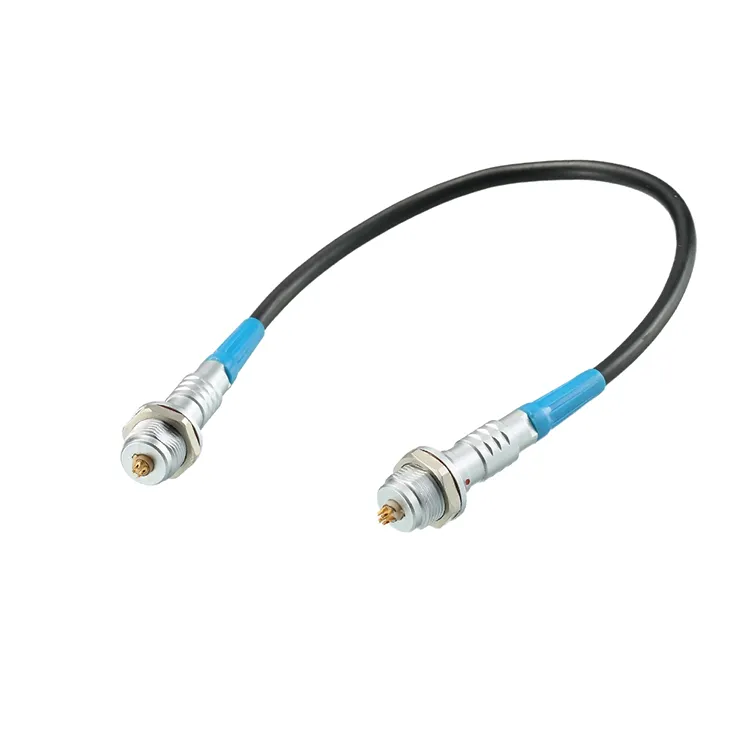
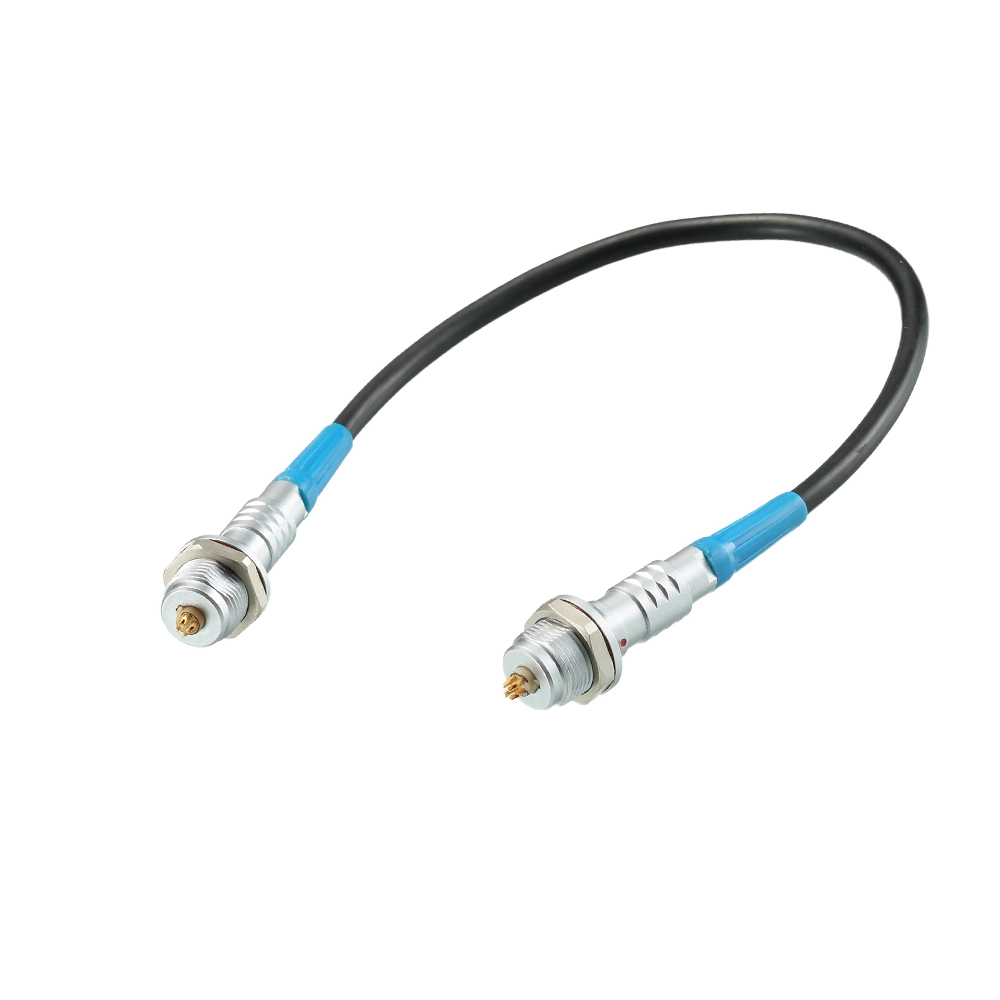
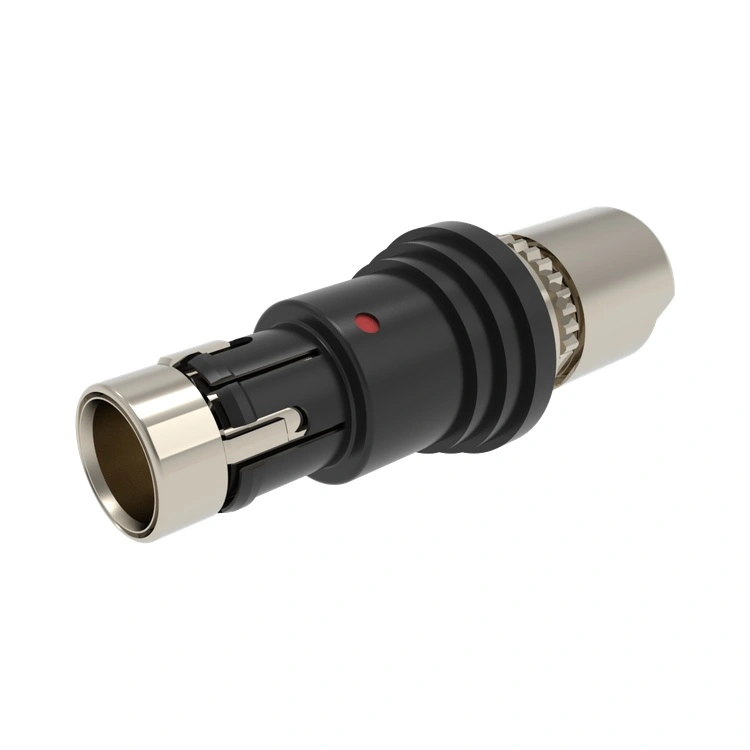
REUNION supports modified metal push-pull connectors through its in-house engineering group. Common requests include custom pin counts, hybrid power and signal layouts, specific keying angles, and overmolded cable exits. The company also produces finished Cable Assembly units, with wire cutting, stripping, soldering, and strain relief done in-house. Customers who need a lower-weight or non-conductive alternative can evaluate the Plastic Push-pull Connector series for comparison.
Quality Control and Traceability
The Shenzhen factory covers roughly 4,000 square meters and employs about 150 people across 10 production lines, with a monthly capacity near 100,000 sets. More than 30 customized projects are completed annually by an engineering team of over 10 specialists. The company holds 13 patents and 2 software copyrights. Quality management follows ISO 9001 and ISO 14001, with ISO 13485 applied to medical-related products. Each production batch is tracked through the ERP system from raw material receiving to final continuity and insulation resistance testing.
Frequently Asked Questions
When should I choose a metal push-pull connector instead of a plastic version?
Metal housings are preferred when the connection is exposed to physical impact, frequent cable flexing, or electromagnetic noise. They also offer better performance in high-temperature or sterilization cycles. Plastic versions are lighter and often more cost-effective, but may not provide the same shielding or mechanical margin.
Can metal push-pull connectors be autoclaved for medical use?
Certain metal models with suitable plating and sealing materials can withstand repeated autoclave cycles. Stainless steel shells are generally more resistant to steam and chemical disinfectants than plated brass. REUNION can specify materials and seals based on the sterilization method and number of cycles required.
Does REUNION provide complete cable assemblies with metal push-pull connectors?
Yes. The factory performs cable preparation, soldering, overmolding, and final electrical testing. Customers provide cable specifications and length requirements, and REUNION supplies ready-to-install assemblies with the connector mated and strain relief applied.