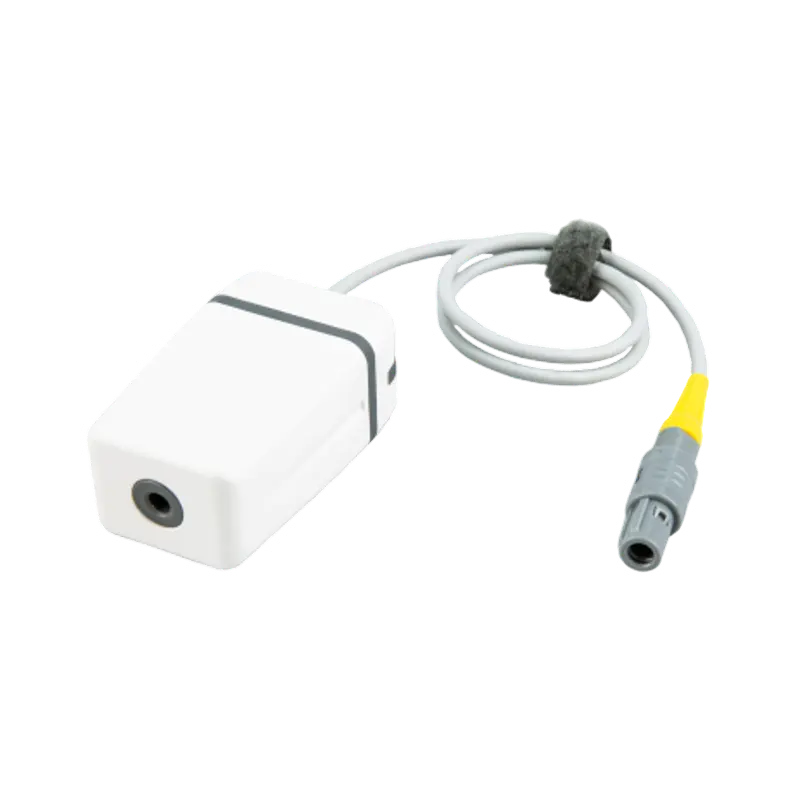
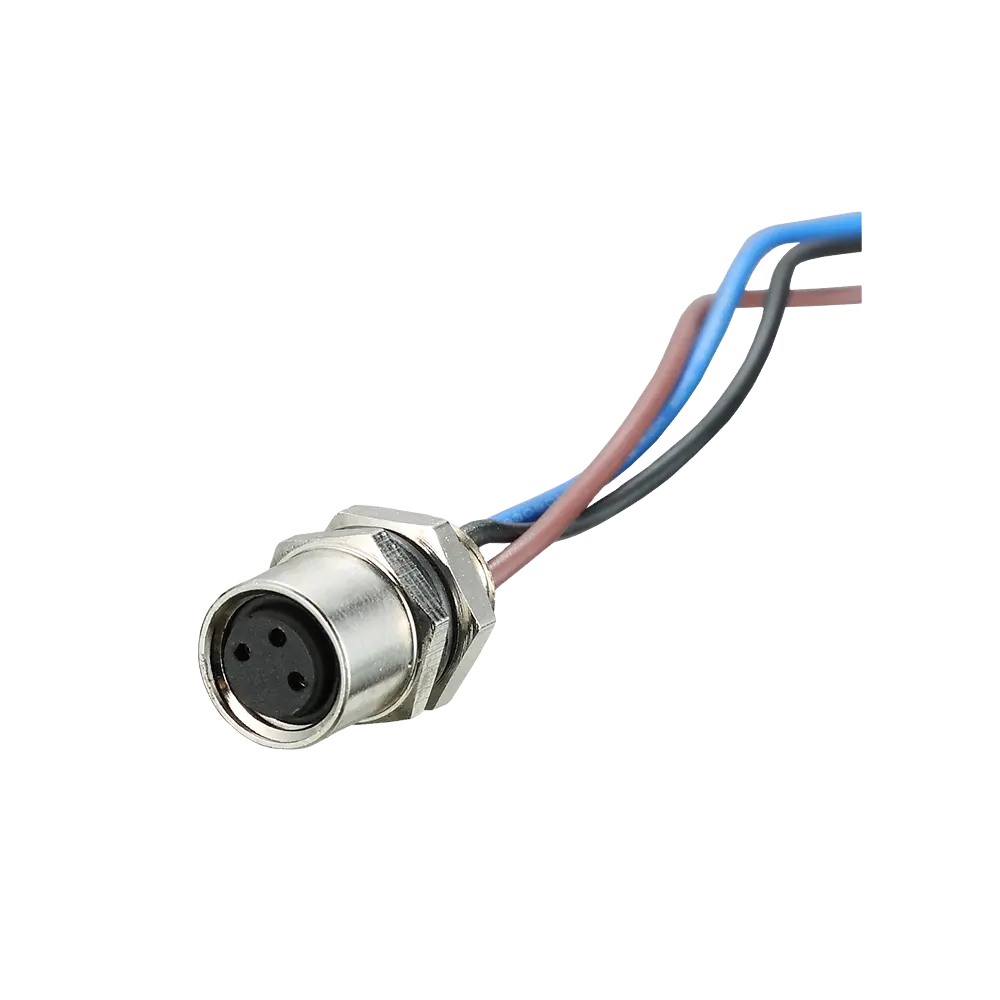
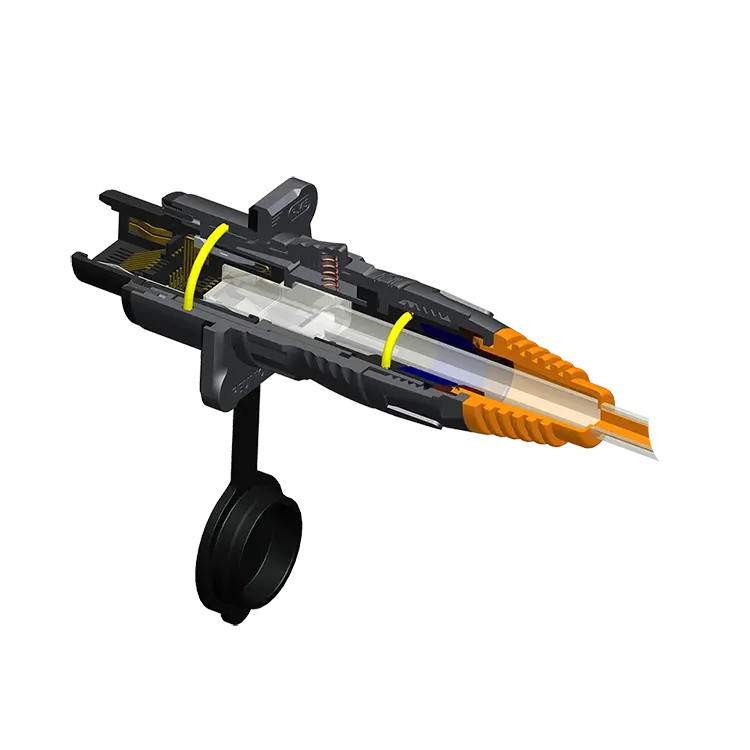
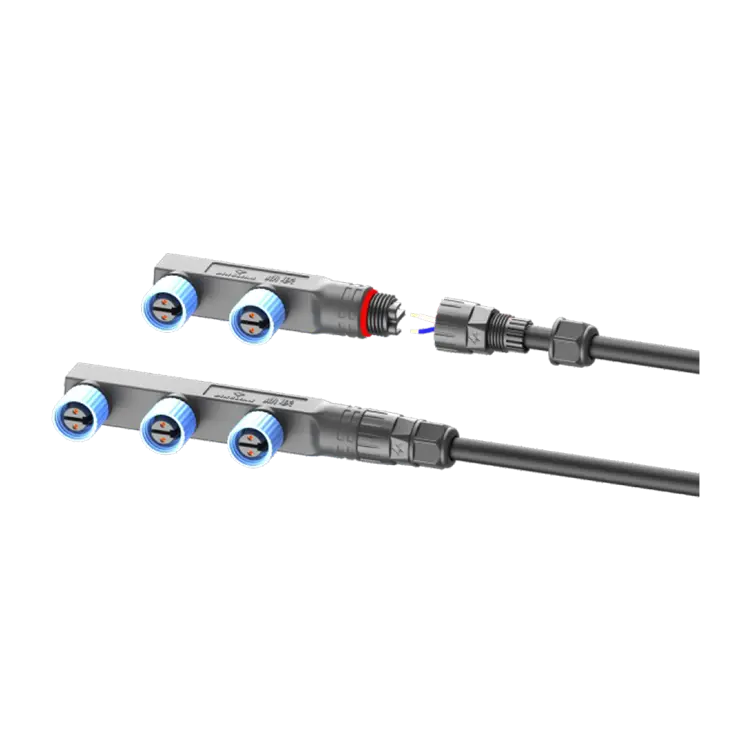
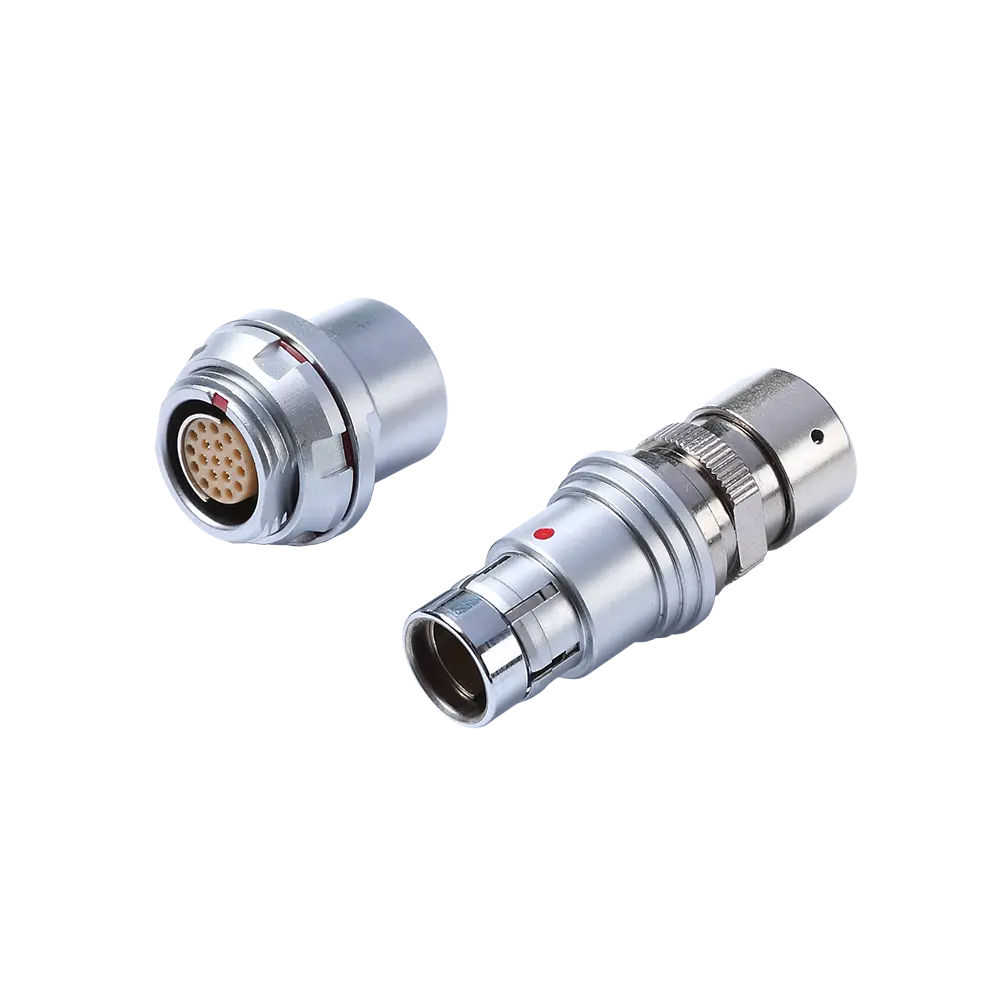
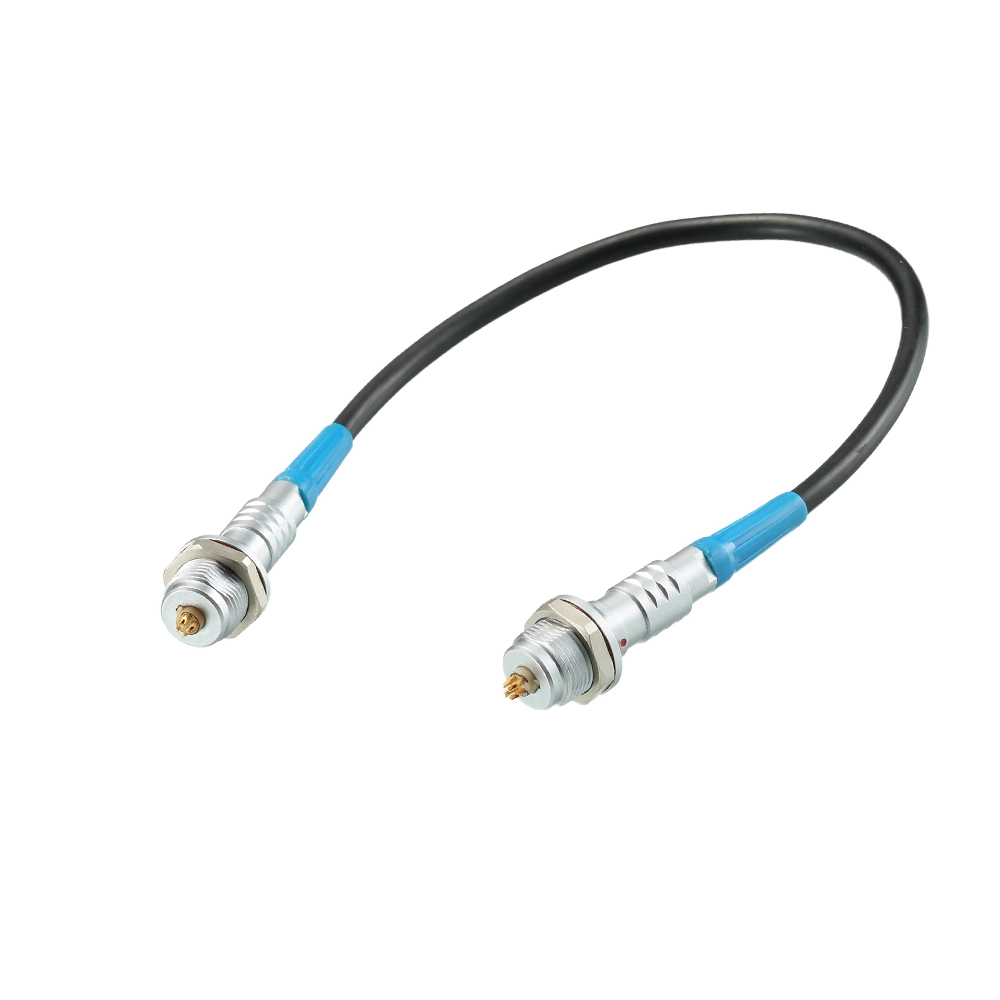
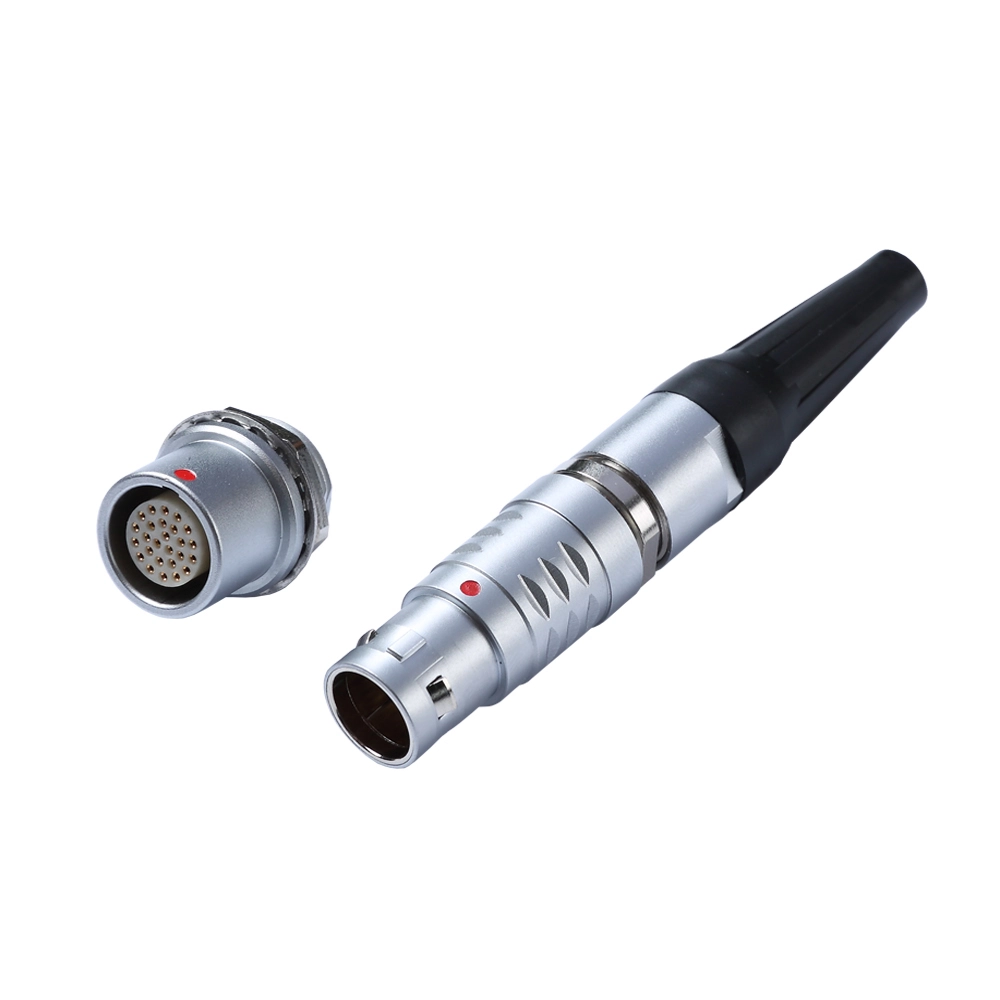
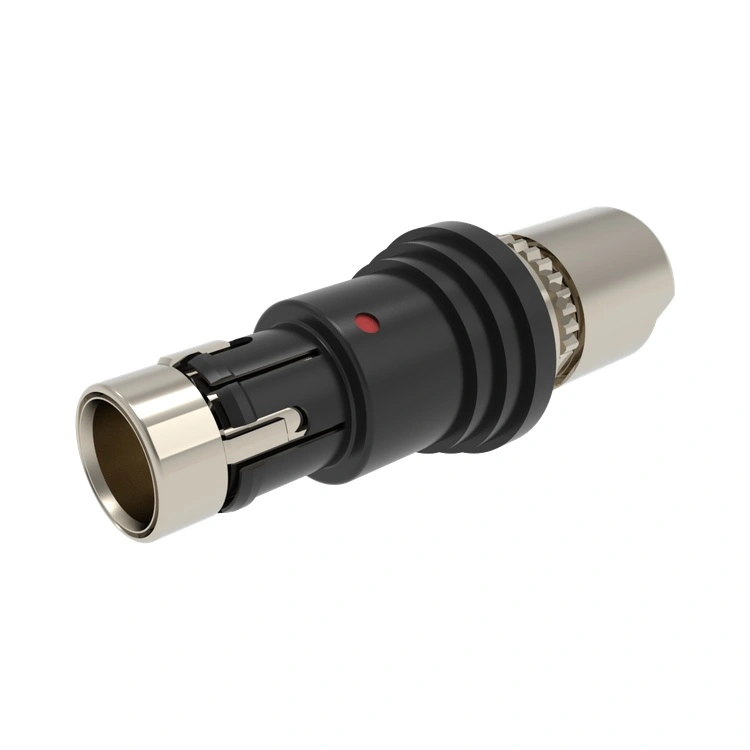
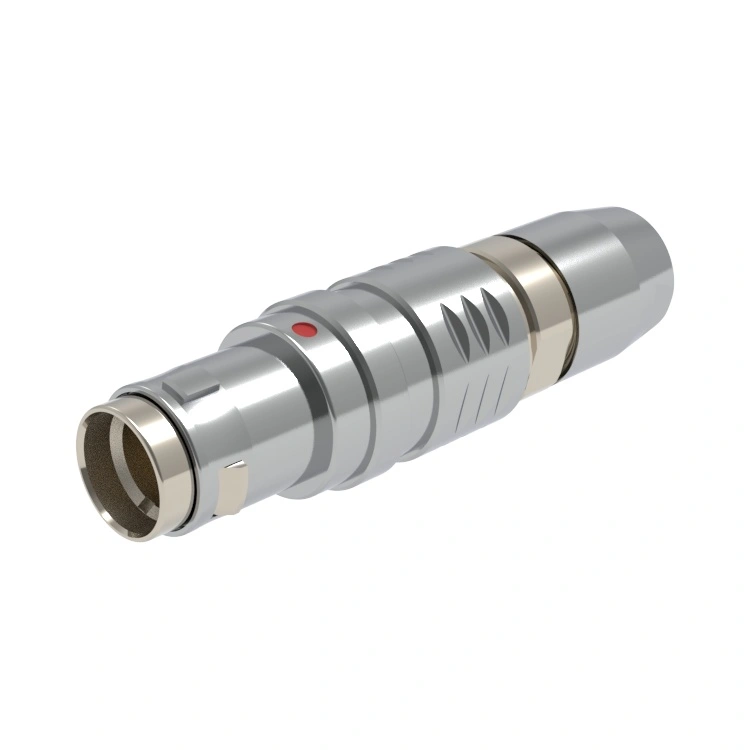
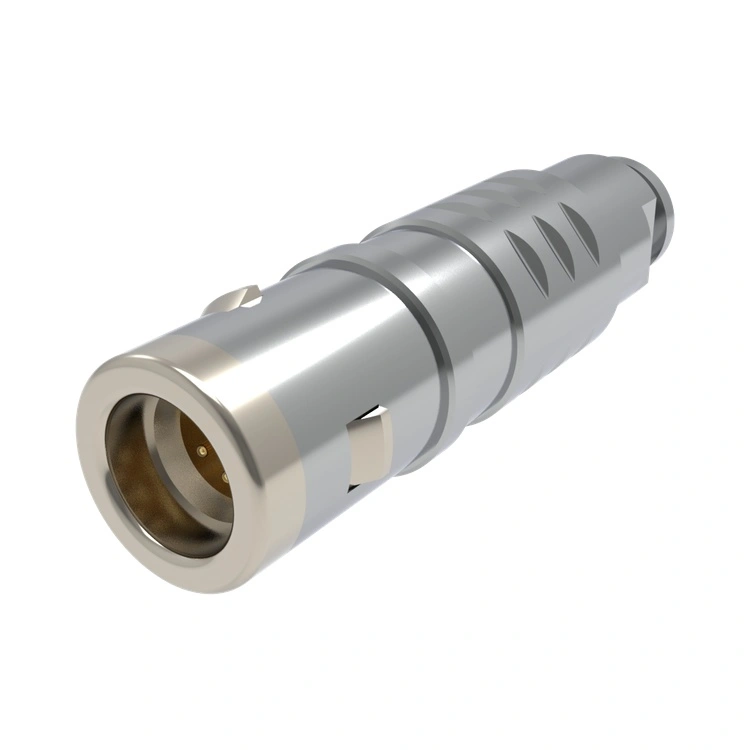
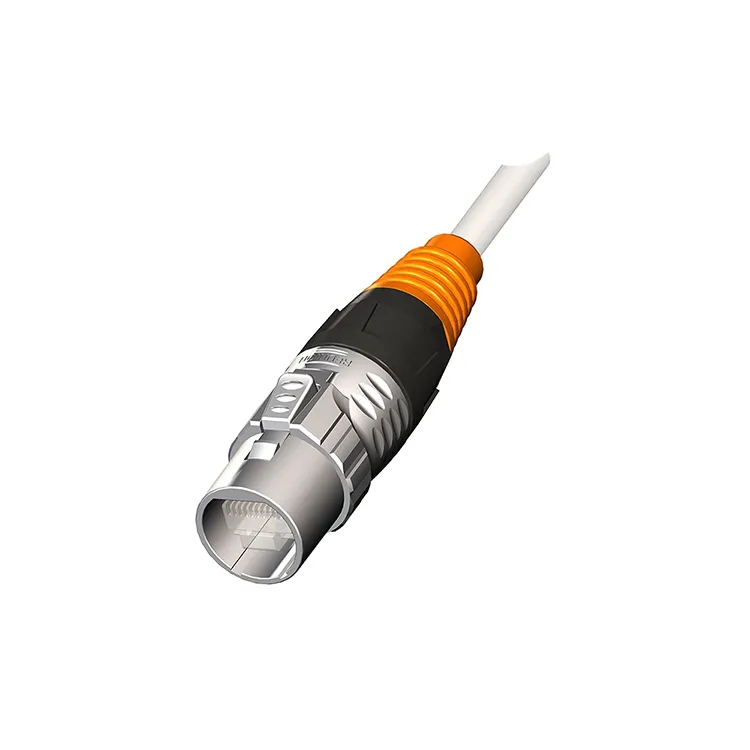
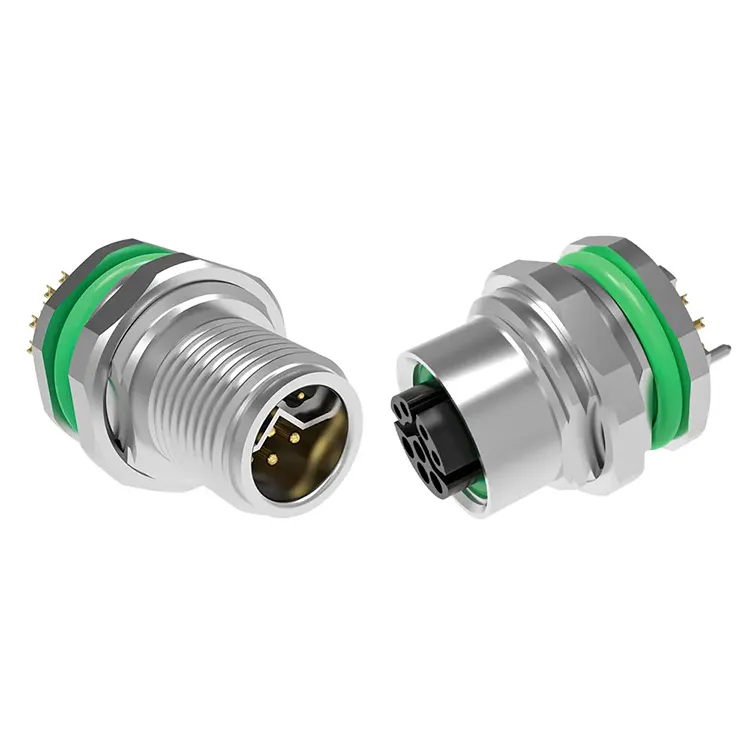
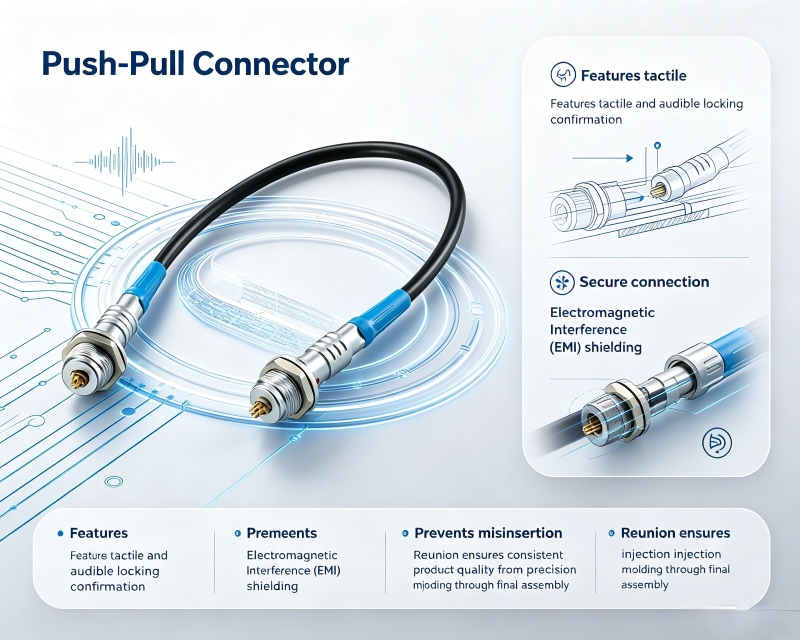
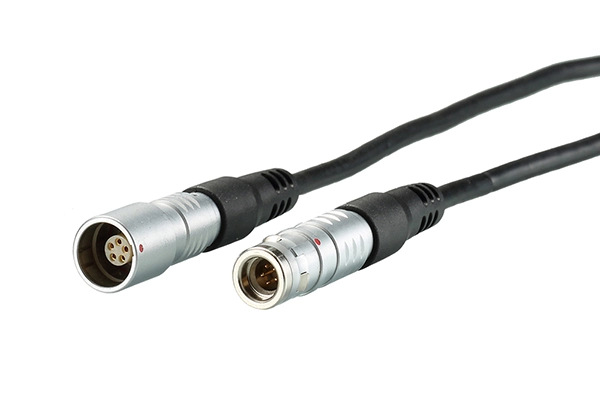
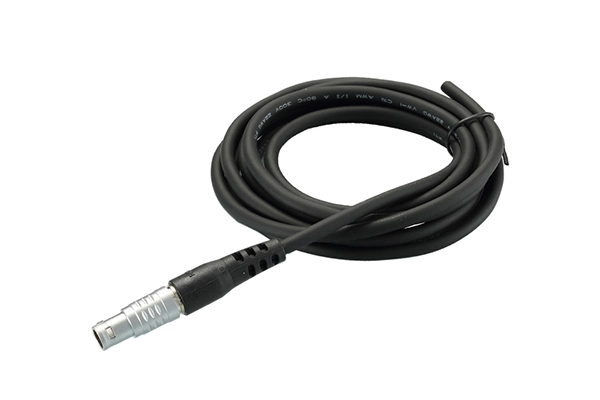
Shenzhen REUNION Electronic Co., Ltd. has focused on the design, production, and supply of push-pull connectors since 2011. The company serves sectors such as medical devices, robotics, semiconductor equipment, industrial automation, and test instrumentation. A push-pull connector is a circular interconnect with a self-latching mechanism: users push the plug straight into the receptacle to lock, then pull back the outer sleeve to release. No twisting or screwing is needed, which speeds up connection and reduces contact wear.
Because the coupling is axial and internally latched, push-pull connectors maintain stable performance even under cable tension, vibration, or repeated handling. The same locking principle is applied across the company’s standard and customized product lines.
How the Self-Latching System Works
Inside the receptacle, spring-loaded elements engage a groove or shoulder on the plug body. These elements can be balls, latches, or a split ring depending on the series. Mating requires only a linear push, and the pull-back sleeve provides a direct mechanical release. This design supports blind mating and reduces the risk of accidental disconnection in moving or high-vibration installations.
-
Push-on engagement without rotational alignment
-
Release only through intentional sleeve retraction
-
Consistent holding force over repeated mating cycles
-
Suitable for high-density panel arrangements
Housing Materials and Standard Options
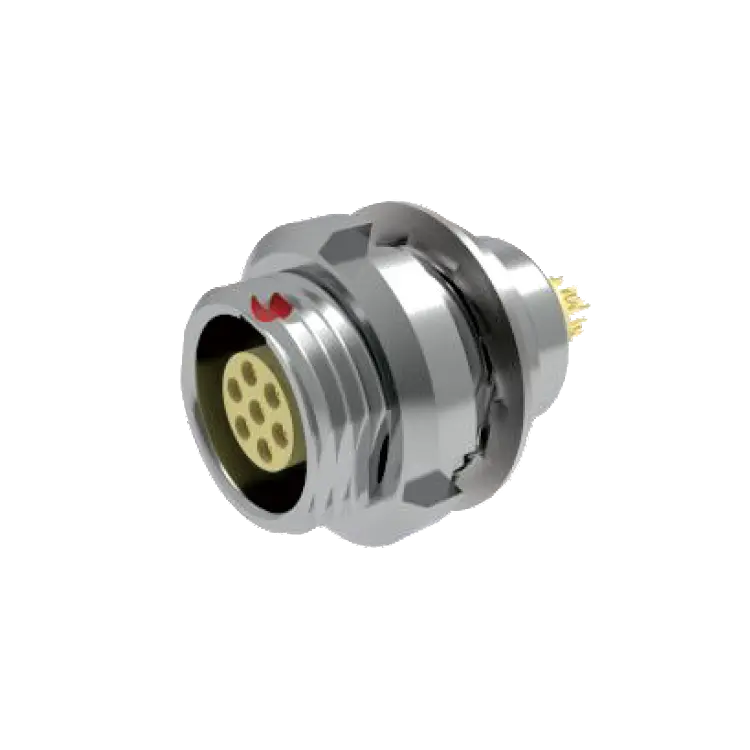
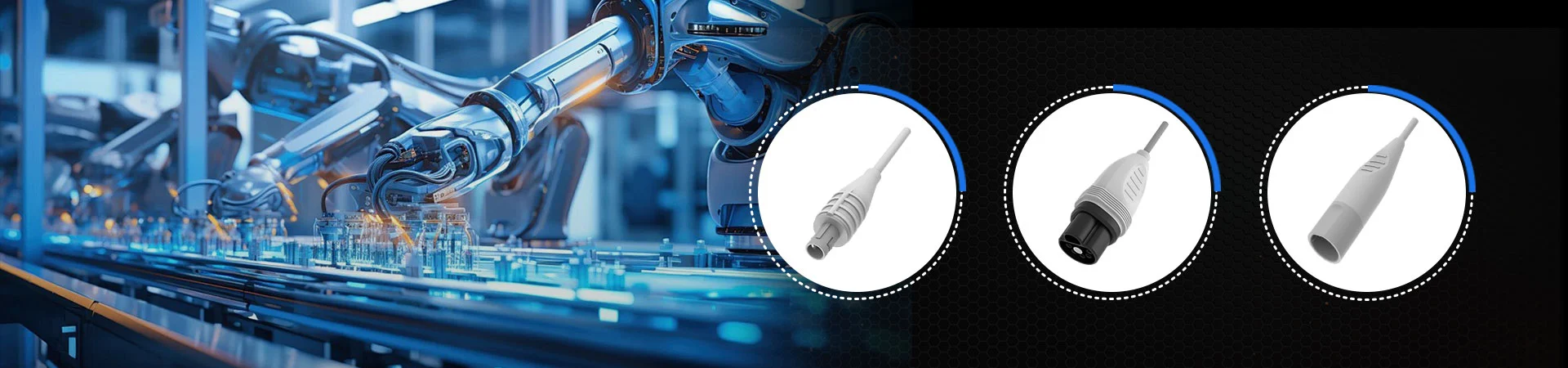
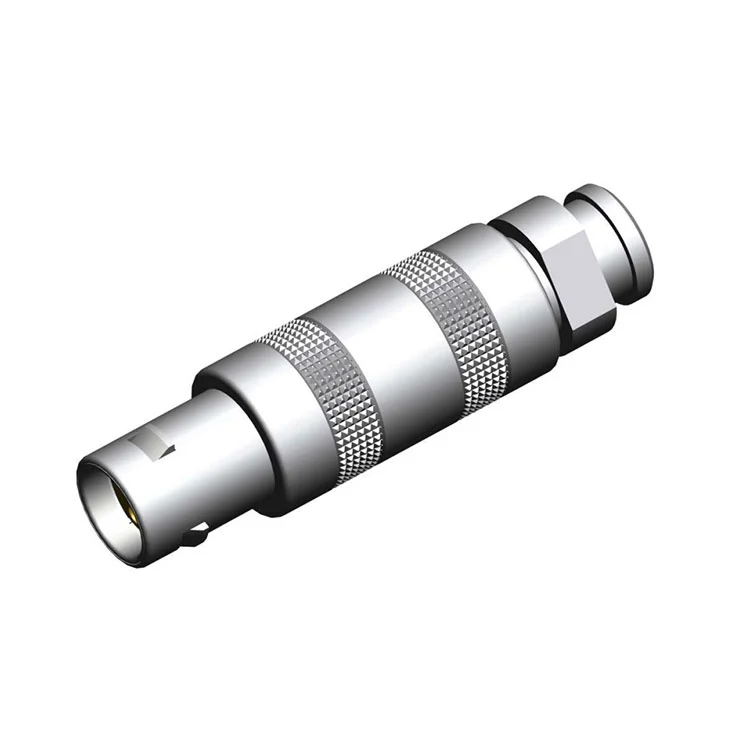
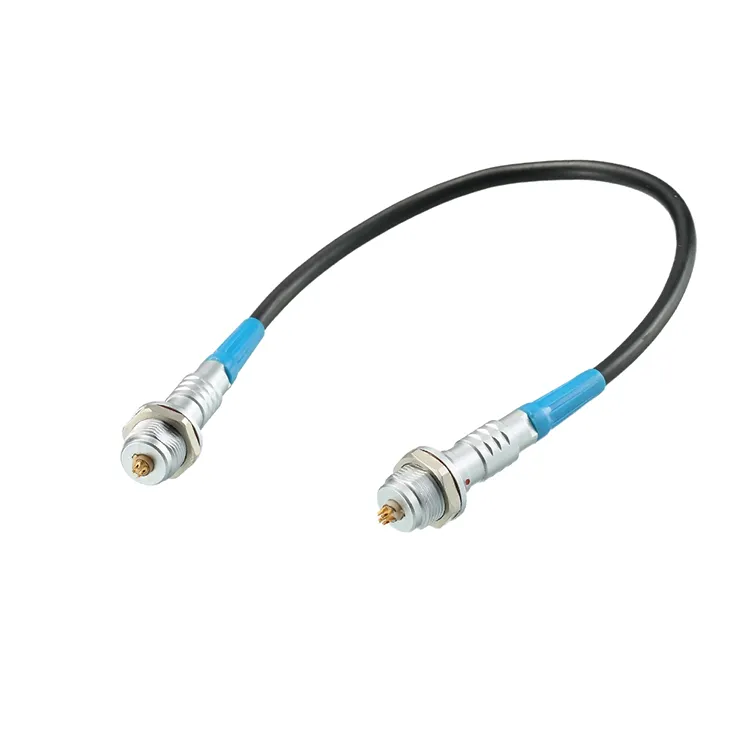
The connector family includes two primary housing types. Metal Push-pull Connector shells are made from brass, stainless steel, or aluminum alloy, offering strong mechanical protection and shielding for demanding environments. Plastic Push-pull Connector shells use engineering resins such as PSU or PEI, providing lighter weight, good chemical resistance, and cost advantages for portable or single-use adjacent applications. Pin counts typically range from 2 to 40+, with termination choices including solder cups, crimp contacts, and PCB tails.
Sealing and Environmental Ratings
Depending on the model, push-pull connectors can be configured with O-rings and cable glands to achieve protection up to IP68. Sealed variants resist dust, temporary immersion, and washdown procedures, making them appropriate for outdoor units, laboratory instruments, and medical devices that undergo disinfection cycles. IP50 versions remain available for dry indoor environments where only light dust protection is required.
Production and Customization Capability
REUNION’s manufacturing site covers about 4,000 square meters and employs roughly 150 people across 10 production lines. Monthly output capacity is around 100,000 sets. The engineering department includes more than 10 experienced engineers and completes over 30 customized projects annually. Typical modifications include custom pin assignments, hybrid power and signal layouts, overmolded cable exits, specific keying positions, and user-defined color coding.
Quality Framework and Traceability
The company is certified to ISO 9001, ISO 14001, and ISO 13485 for the design, manufacture, and distribution of self-latching circular push-pull connectors, systems, and cable assemblies. Product compliance is evaluated against UL, CB, and CQC standards where applicable. Supplier selection is controlled, and each production batch is tracked through the ERP system from incoming material to final outgoing inspection.
Frequently Asked Questions
What makes push-pull coupling different from bayonet or screw locking?
Push-pull mating requires only an axial motion, so no torque or rotational alignment is involved. This allows faster connection, higher panel density, and less operator fatigue. The sleeve must be pulled back to release, which lowers the chance of accidental disconnection caused by cable pull or vibration.
Can REUNION produce hybrid push-pull connectors with both power and signal contacts?
Yes. Custom configurations can combine power pins, signal pins, coaxial inserts, or even fiber optic elements in one housing. The engineering team reviews the electrical requirements, space constraints, and keying needs before finalizing the layout.
Are these connectors suitable for cleanroom or medical use?
Plastic-housing push-pull connectors with smooth exterior surfaces and autoclavable material options are commonly used in medical and cleanroom equipment. ISO 13485 certification at REUNION confirms that medical-related design and production processes follow recognized quality management requirements.