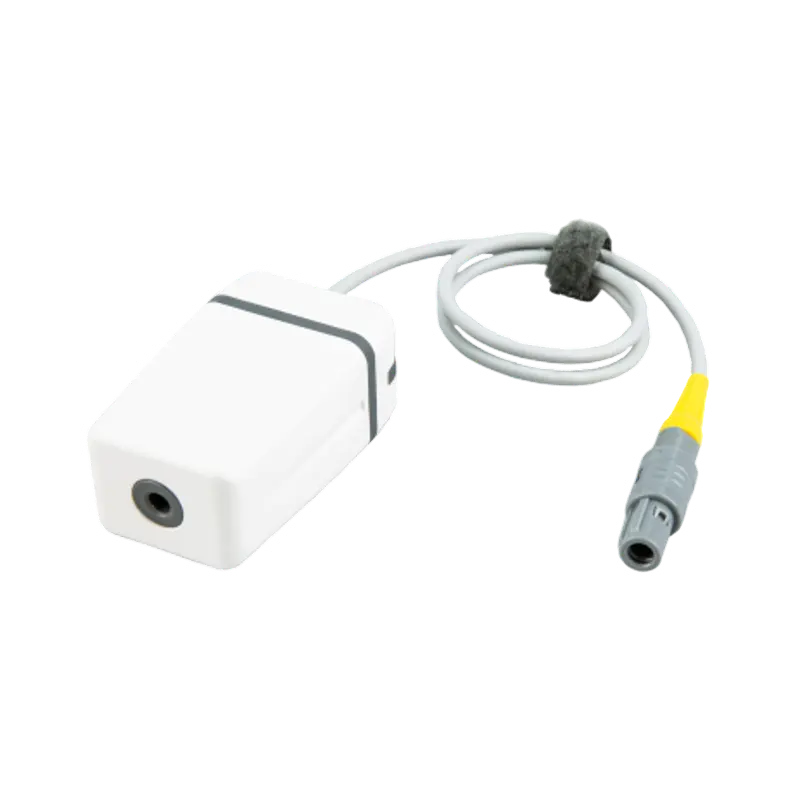
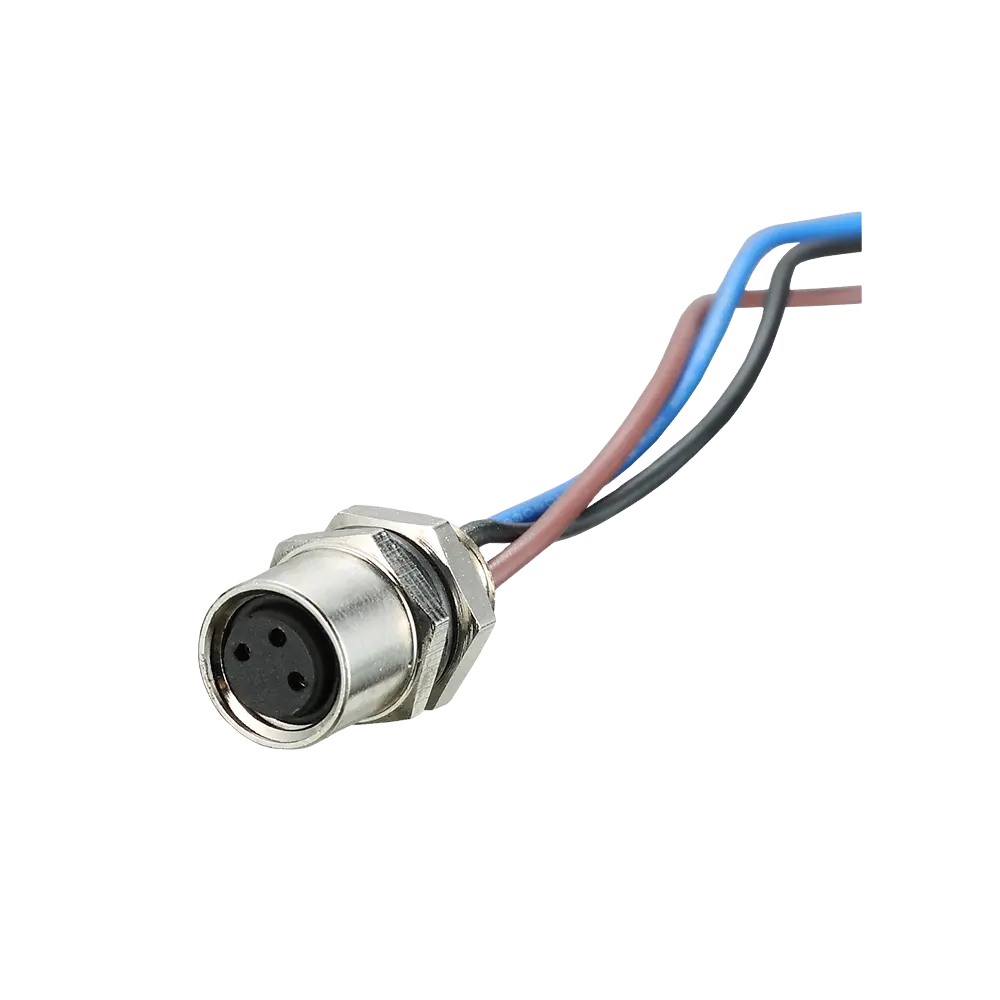
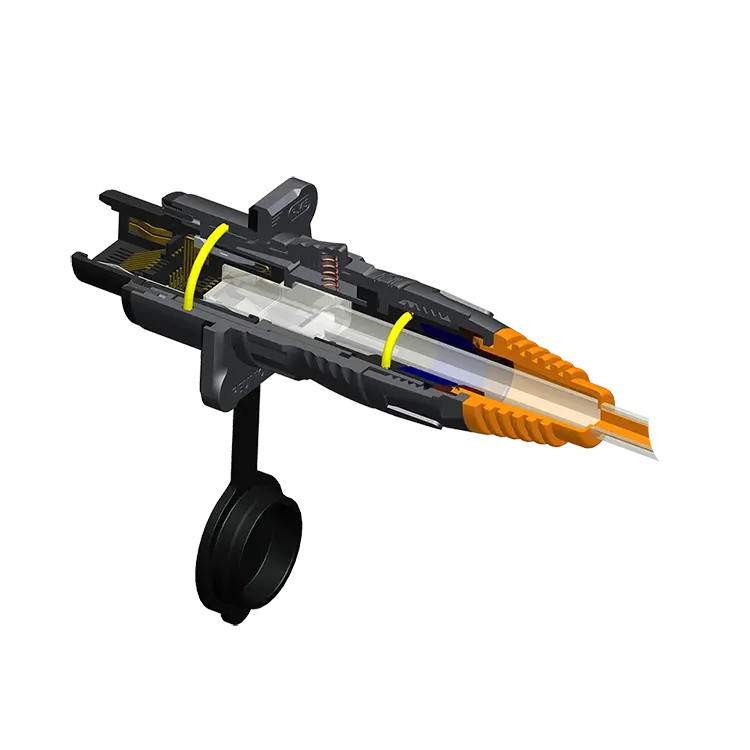
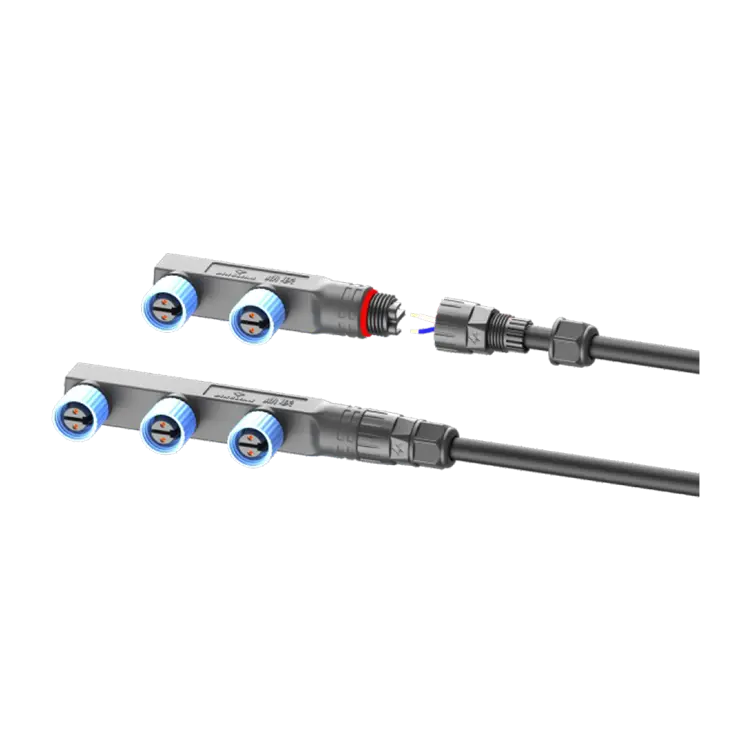
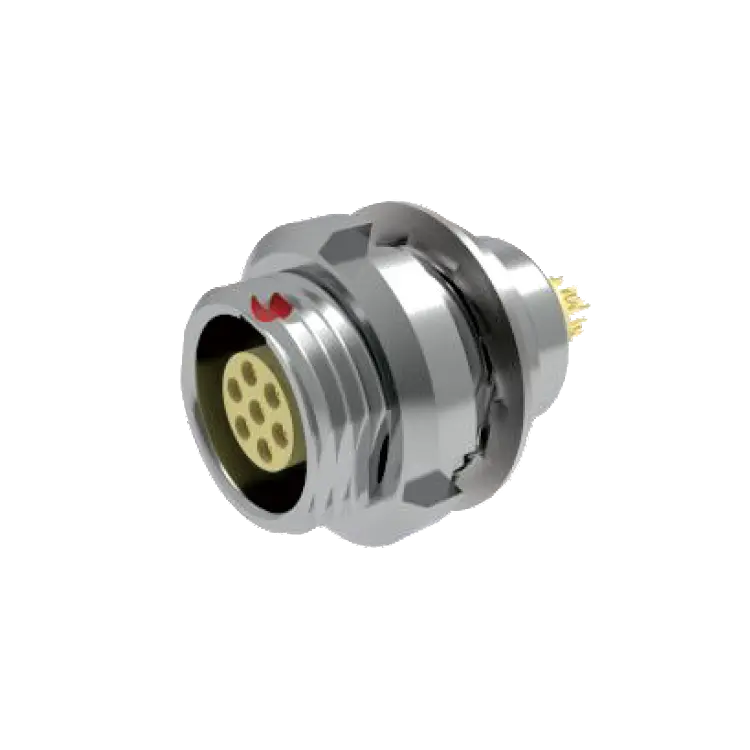
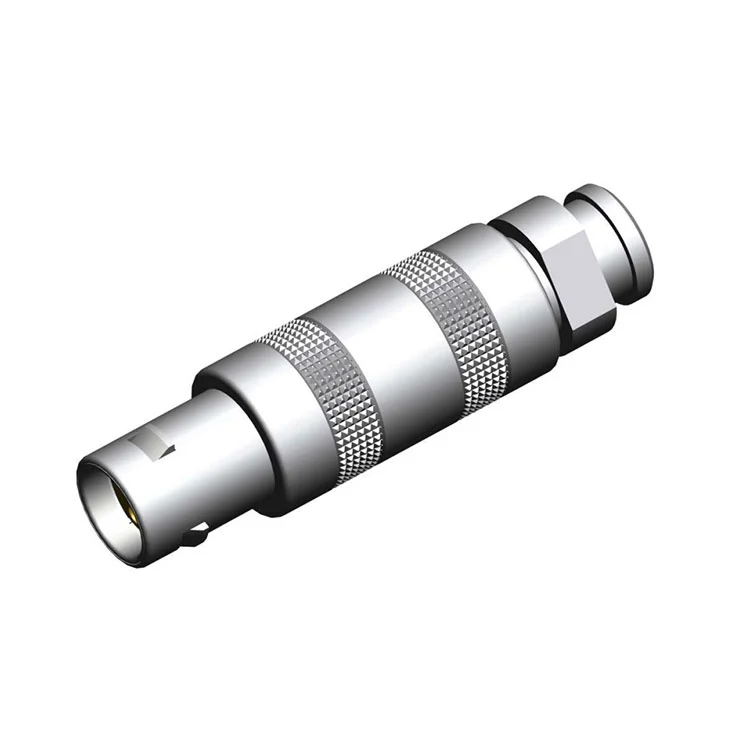
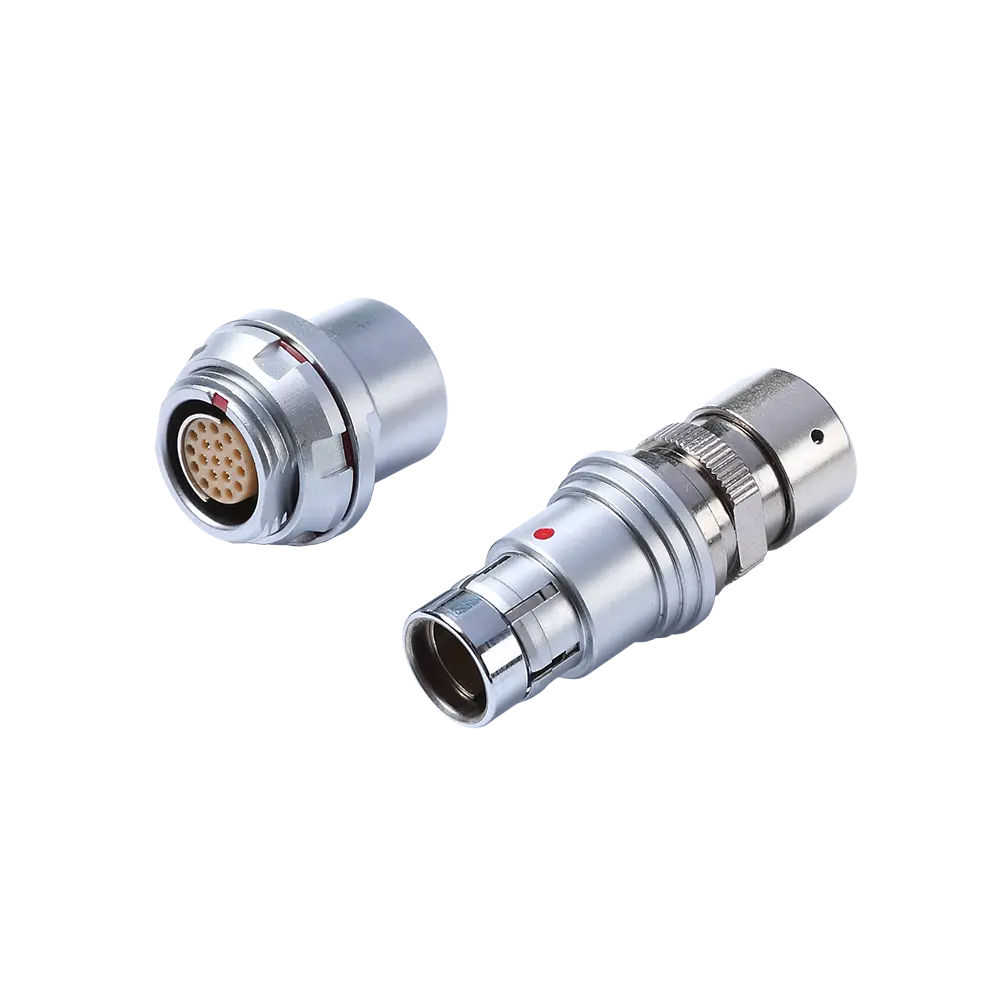
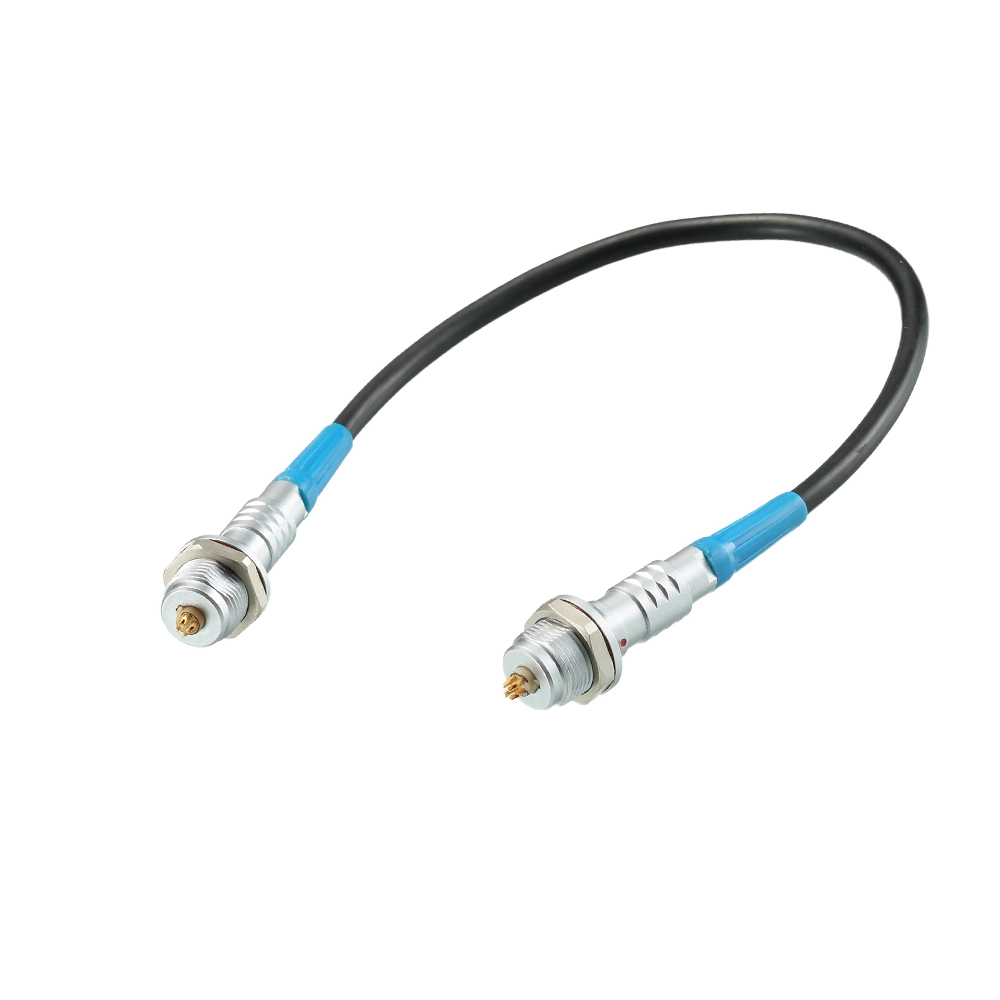
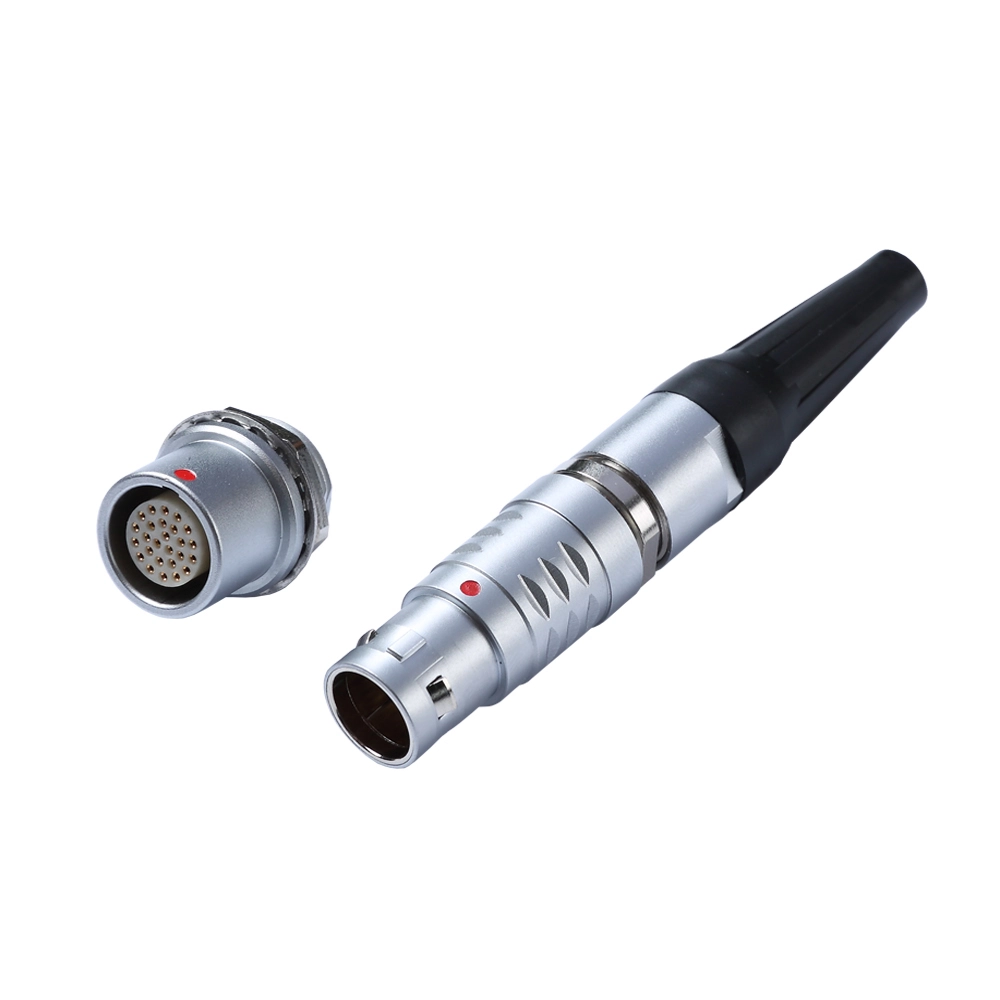
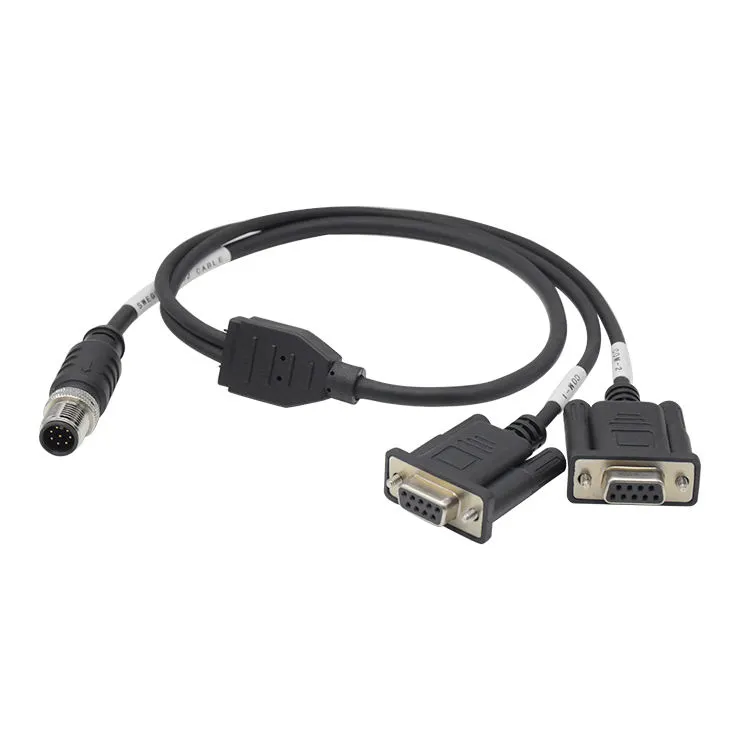
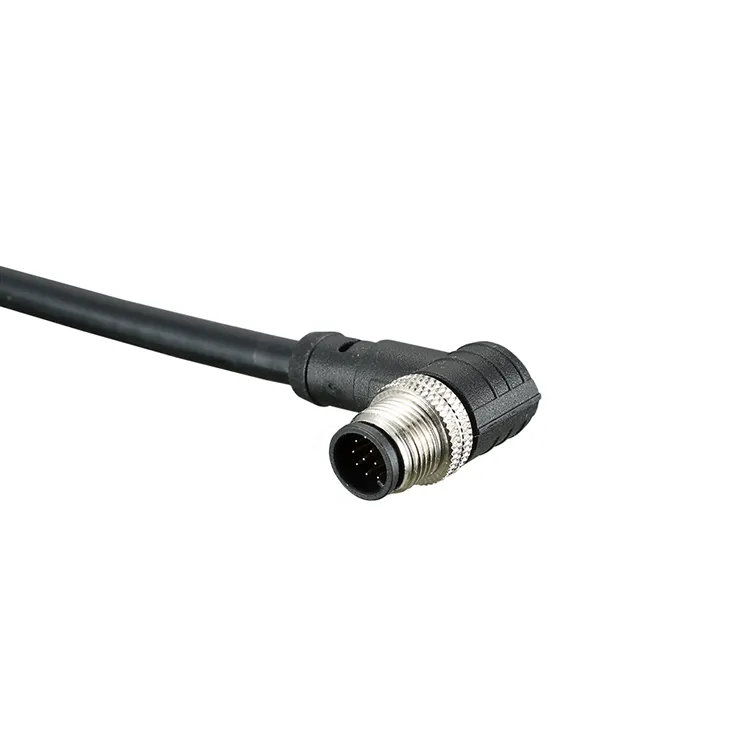
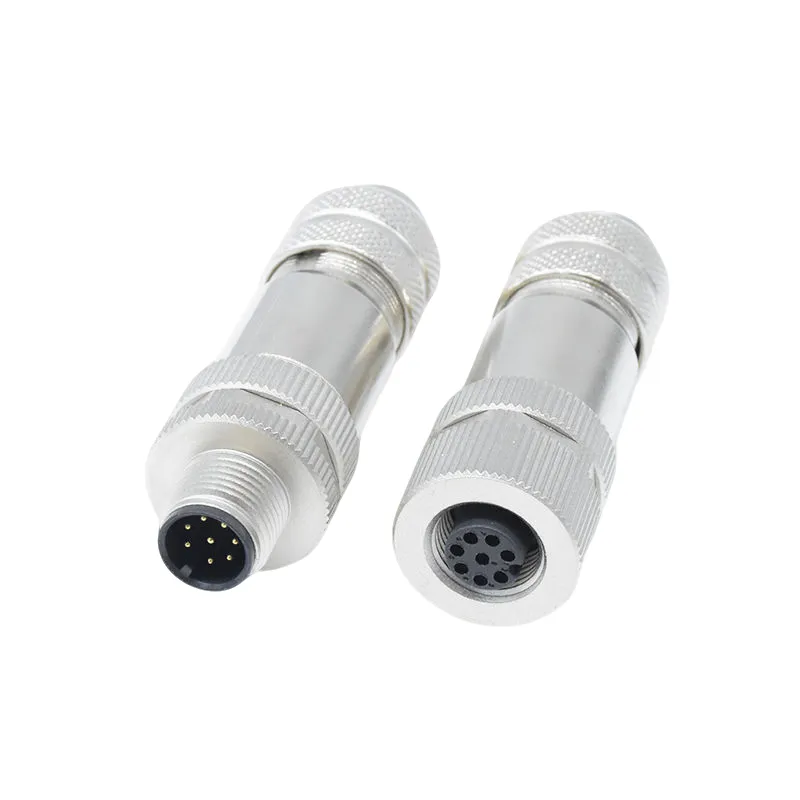
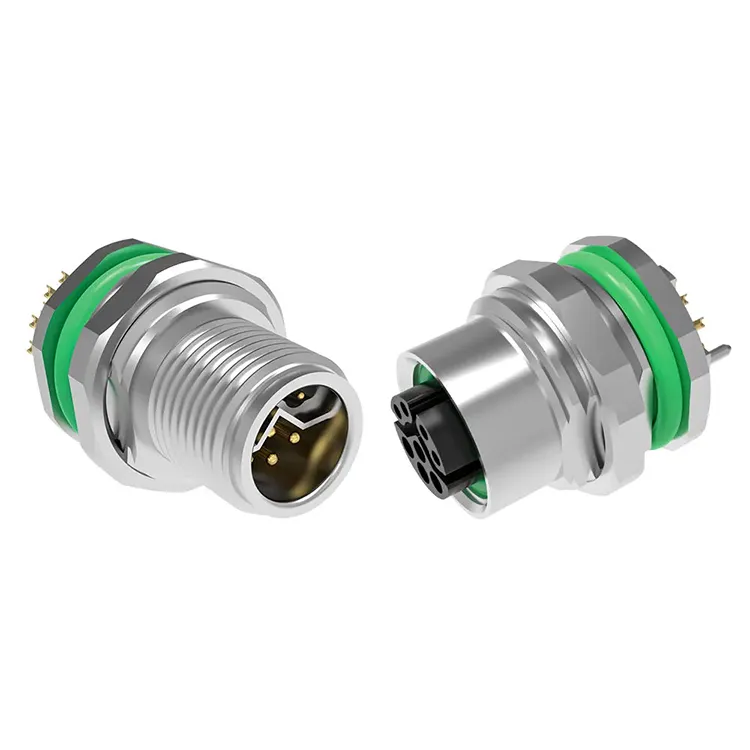
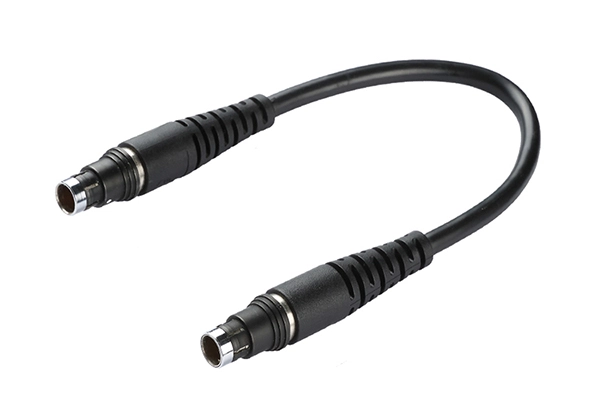
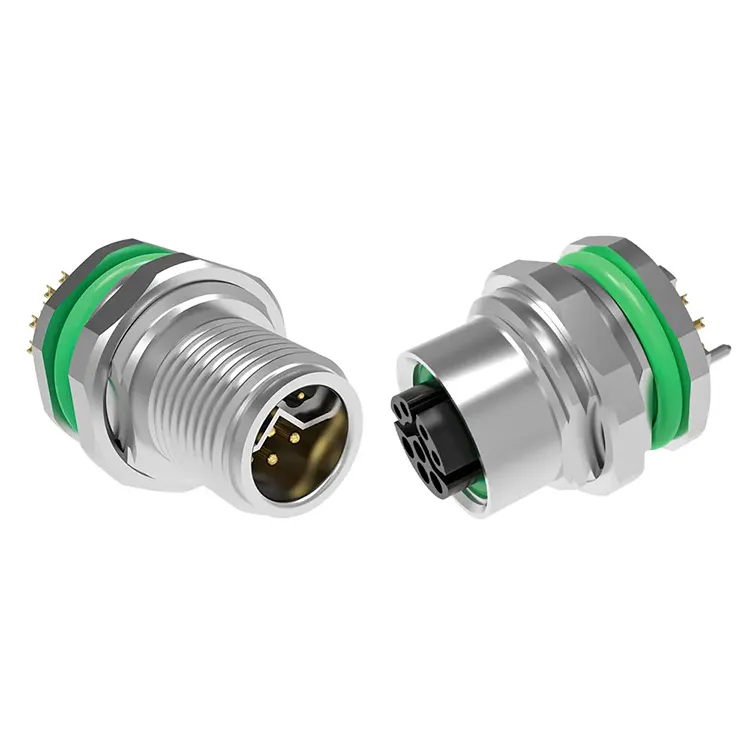
The M12 series connector has become a standard interface for industrial networking, sensor connection, and fieldbus systems. Shenzhen REUNION Electronic Co., Ltd. has manufactured M12 connectors since 2011, supplying machine builders, automation integrators, and equipment manufacturers with both standard and application-specific variants. The threaded coupling, compact dimensions, and wide acceptance in industrial protocols make the M12 format a practical choice for new designs and retrofit projects alike.
Standardization and Coding System
One of the main reasons for the M12 connector’s widespread adoption is the coding system defined by IEC 61076-2-101. Different mechanical keying positions prevent mismating between circuits with incompatible functions. A-coded versions are generally used for sensors and DC power, B-coded for Profibus, D-coded for industrial Ethernet, and X-coded for high-speed data up to 10 Gbit/s. REUNION produces M12 connectors in multiple coding configurations and verifies each variant against the relevant dimensional and electrical criteria before release.
Contact Configurations and Electrical Ratings
Depending on the coding and pin count, M12 connectors support a range of currents and voltages. Common contact arrangements include 4-pin and 5-pin layouts for sensor or actuator wiring, with current ratings typically between 4 A and 16 A for power-oriented versions. Shielded models are available for Ethernet and other data protocols that require controlled impedance and noise immunity. When a single device must carry both motor power and feedback signals, the Power and Signal Connector approach can be applied within the M12 form factor, allowing hybrid contact assignments in one housing.
Sealing, Mounting, and Cable Entry Options
Sealed M12 connectors achieve IP67 or higher through the use of O-rings at the coupling interface and cable gland. This level of protection suits connections exposed to dust, coolant splash, and temporary immersion on machine exteriors. Panel-mount receptacles with front or rear locking, field-attachable plugs, and overmolded cable versions cover most installation requirements. For broader guidance on ingress protection levels and test conditions, the Waterproof Connector category provides additional detail.
Manufacturing Capability and Custom Projects at REUNION
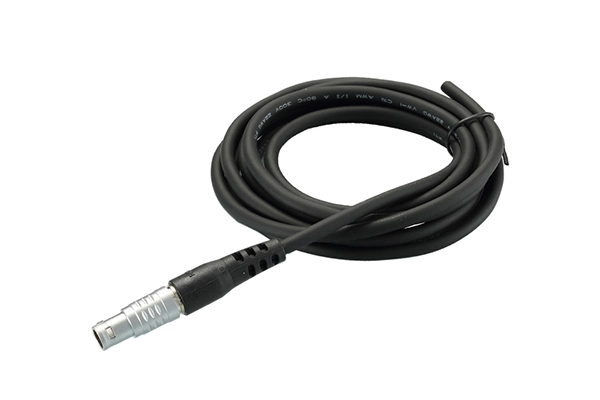
REUNION’s Shenzhen facility spans approximately 4,000 square meters and employs around 150 people across 10 production lines. Monthly output capacity is near 100,000 sets. An engineering team of more than 10 specialists handles over 30 custom connector projects each year, including angled M12 housings, specific keying orientations, custom labeling, and overmolded cable exits. Complete Cable Assembly services are performed in-house, covering wire cutting, stripping, soldering, and final electrical testing to reduce field wiring time for customers.
Quality Systems and Traceability
The company operates under ISO 9001 and ISO 14001 quality and environmental management systems, with ISO 13485 applied to medical-related projects. Compliance with UL, CB, and CQC standards is evaluated where applicable. Incoming materials are sourced from approved suppliers, and each production batch is recorded in the ERP system from raw material receipt to final inspection, providing traceability for high-reliability industrial applications.
Frequently Asked Questions
What is the difference between A-coded and D-coded M12 connectors?
A-coded M12 connectors are typically used for sensor signals and DC power, while D-coded versions are designed for industrial Ethernet with 100 Mbit/s data rates. The mechanical keying differs so that plugs and receptacles from different coding groups cannot be accidentally mated. REUNION supplies both coding types and can advise on the correct choice based on the network protocol and power requirements.
Can an M12 connector handle both power and signal in one housing?
Yes. Some M12 configurations support hybrid layouts with power and signal contacts in the same connector. The current capacity depends on the contact size and ambient conditions. REUNION evaluates the electrical load and thermal rise for custom pin assignments to ensure safe operation.
Does REUNION offer M12 connectors with pre-terminated cable assemblies?
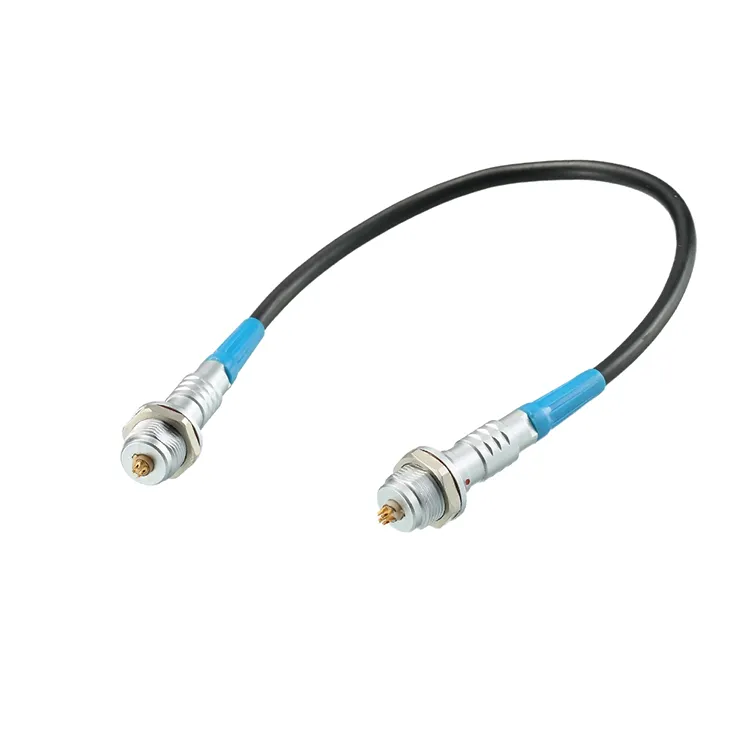
Yes. The factory produces ready-to-install cable assemblies with M12 connectors, including custom cable lengths, wire gauges, jacket materials, and shielding options. Each assembly is tested for continuity and insulation resistance before shipment.