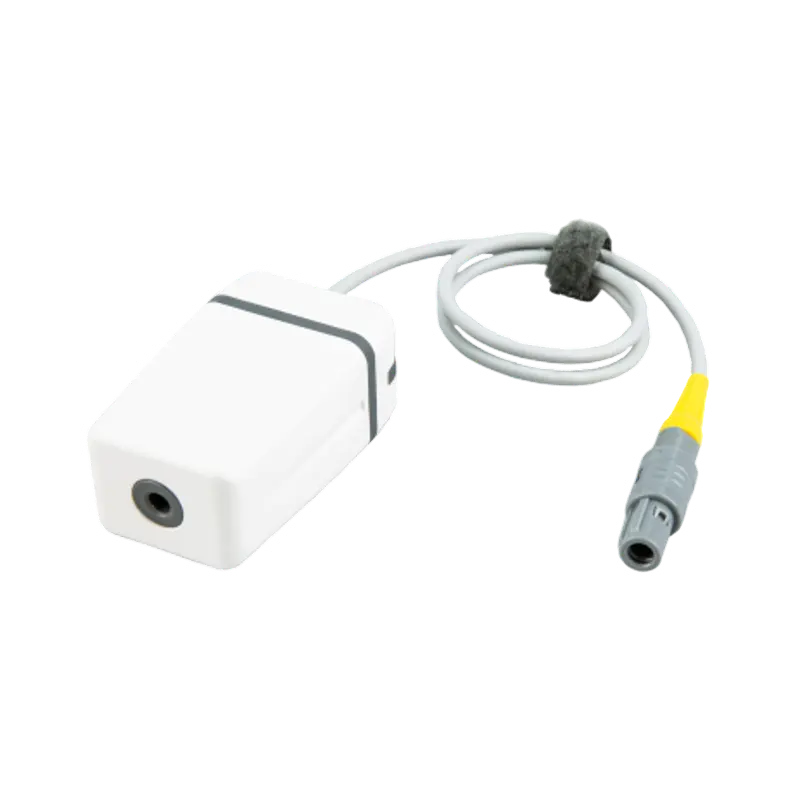
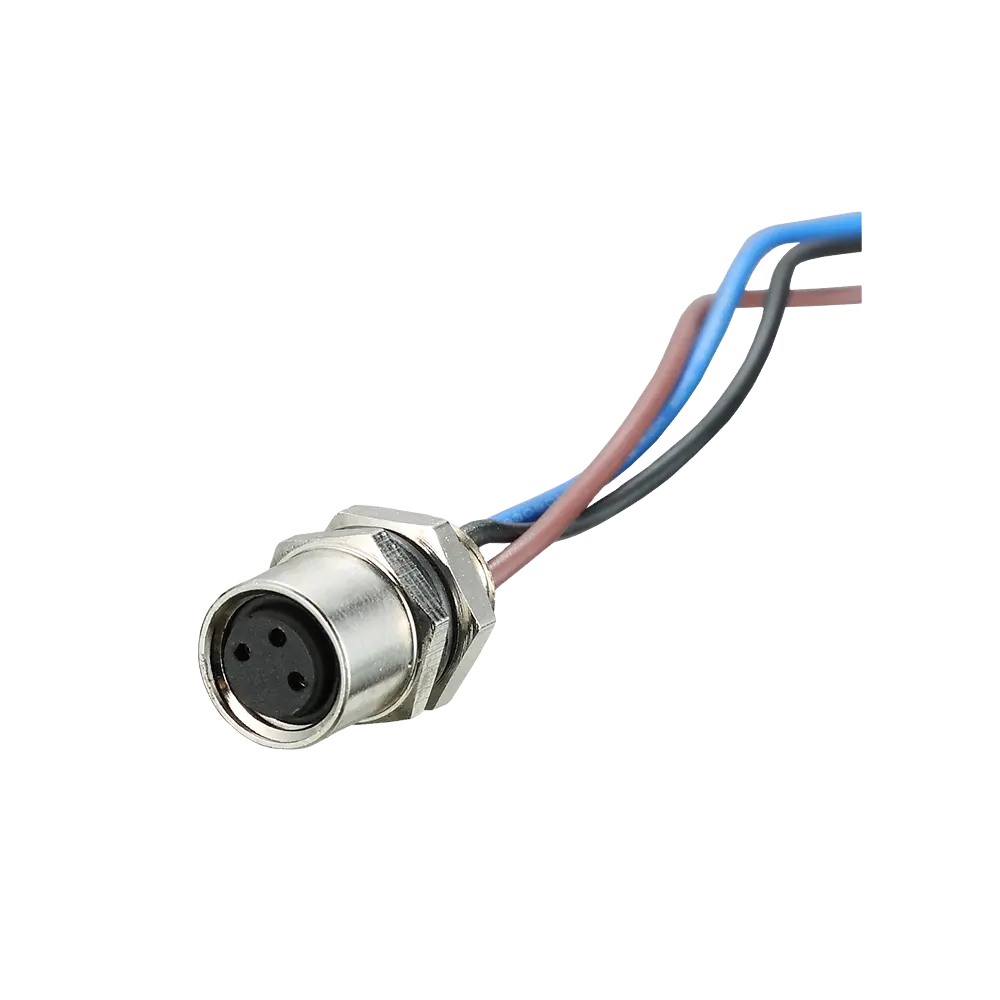
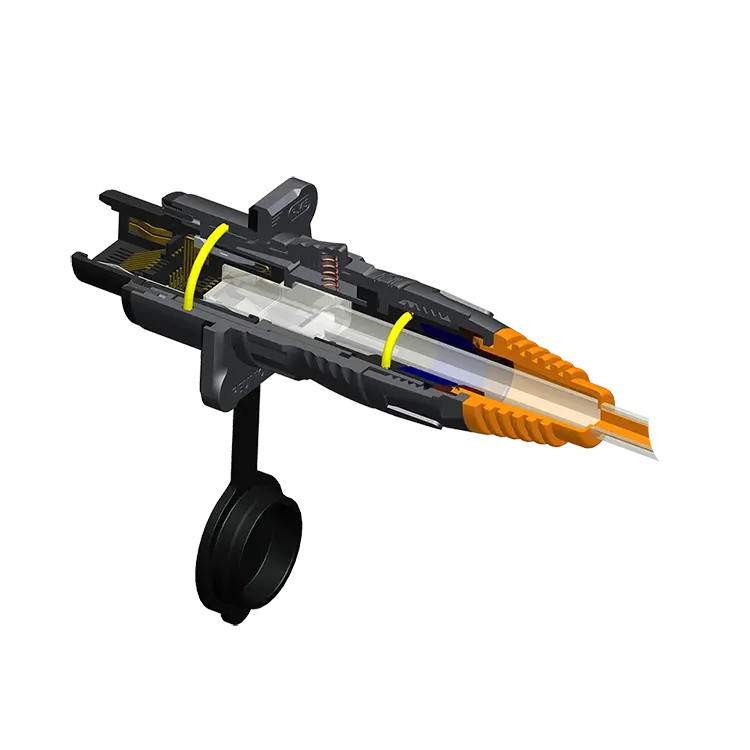
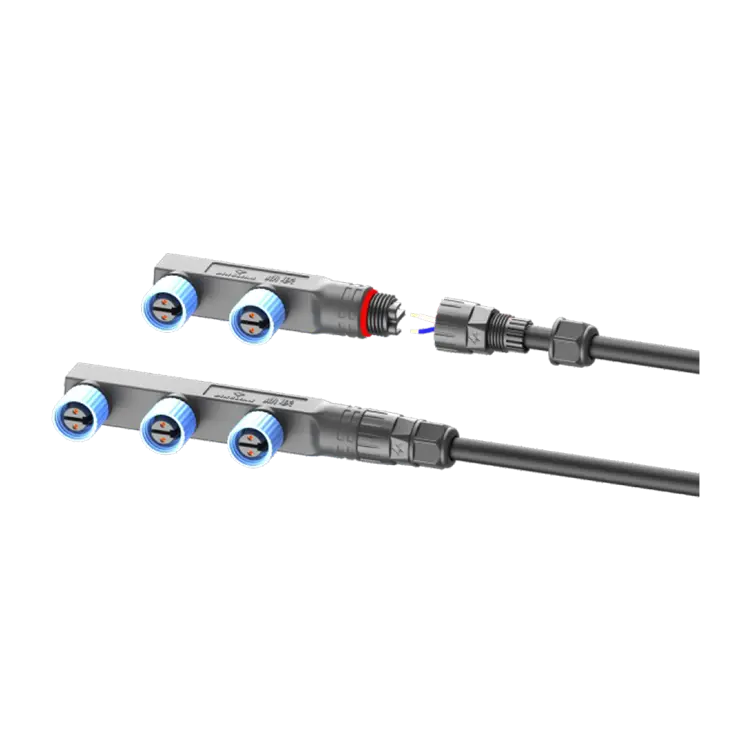
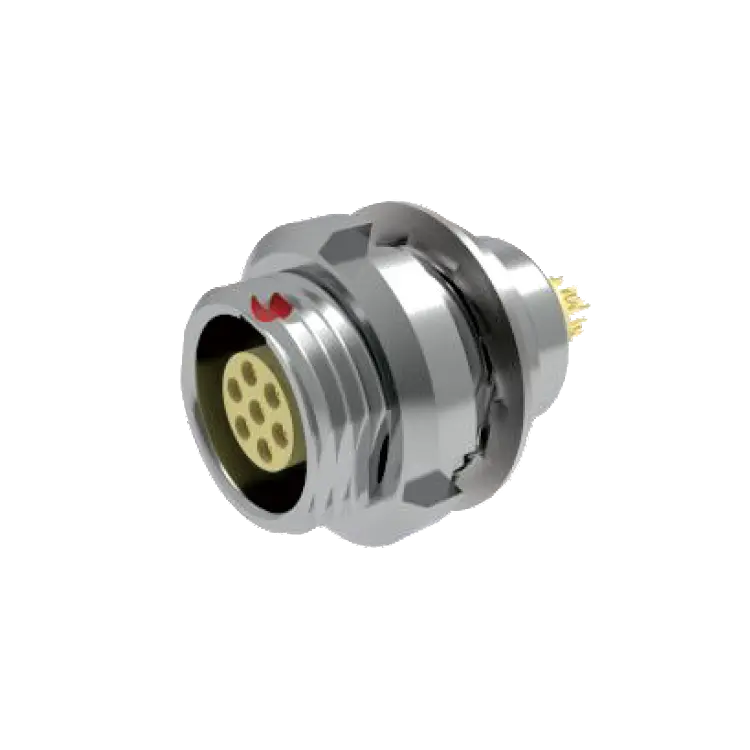
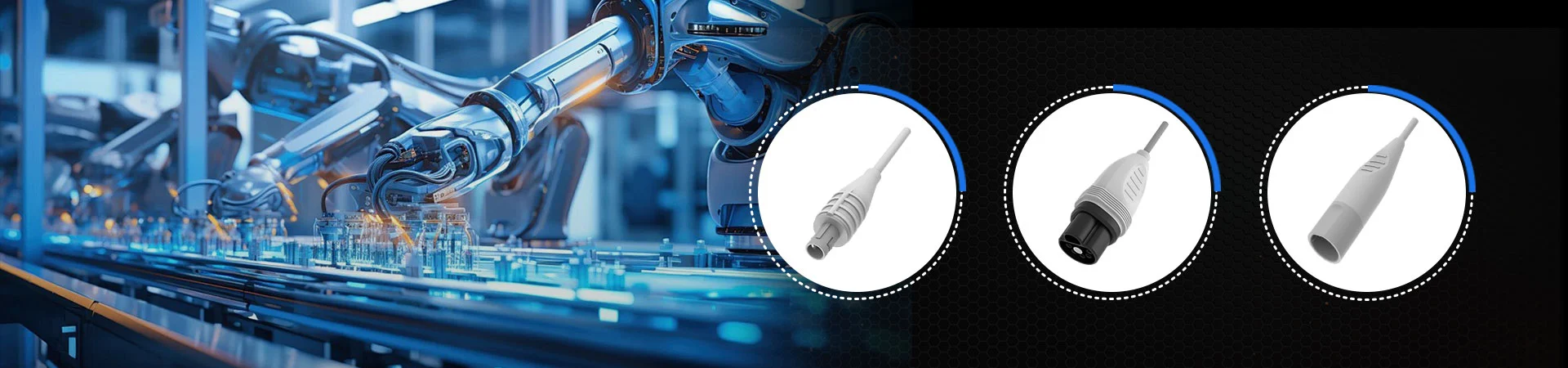
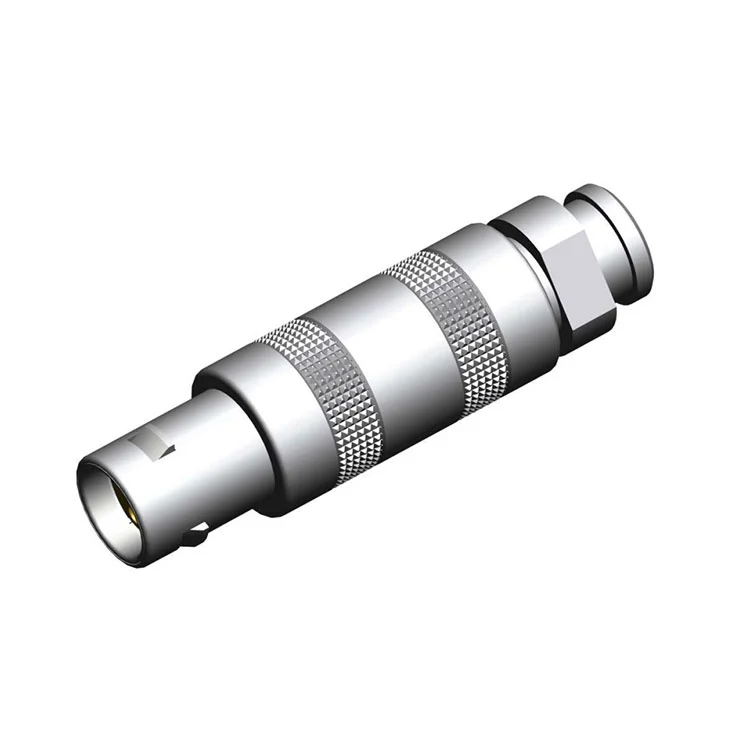
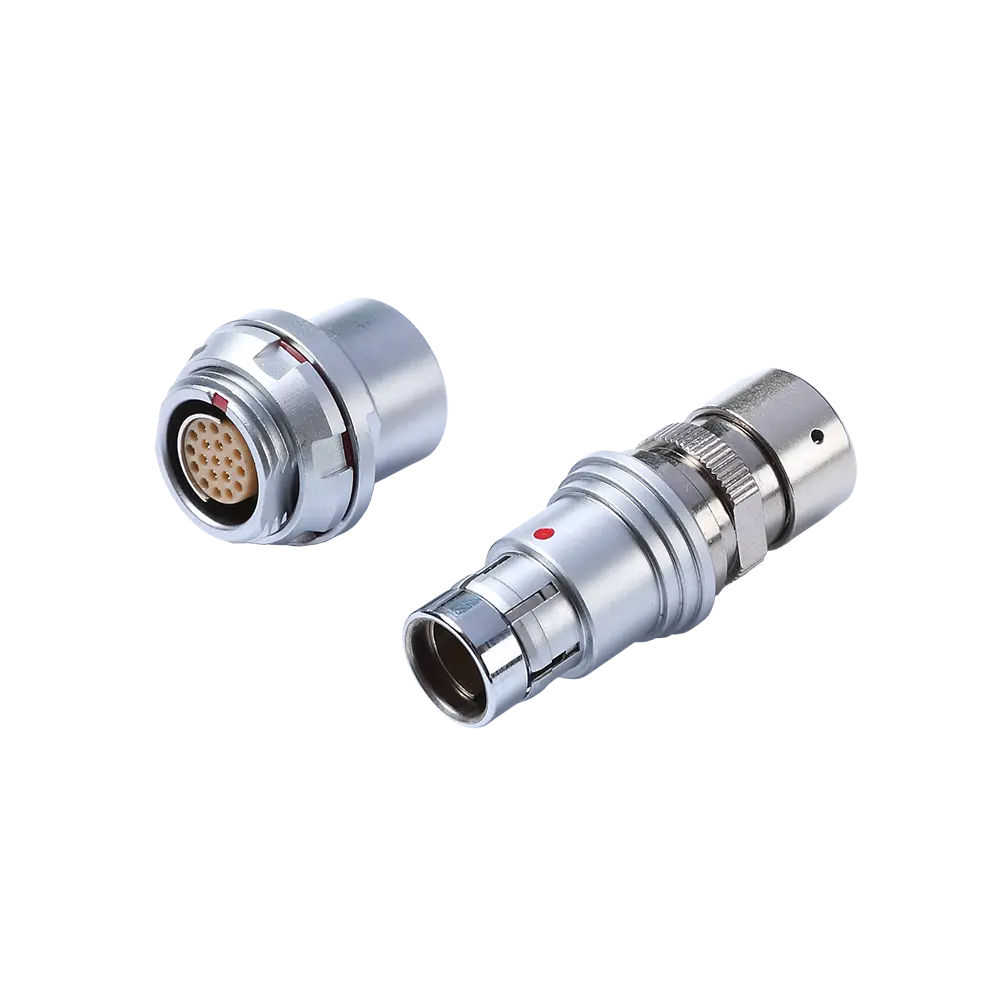
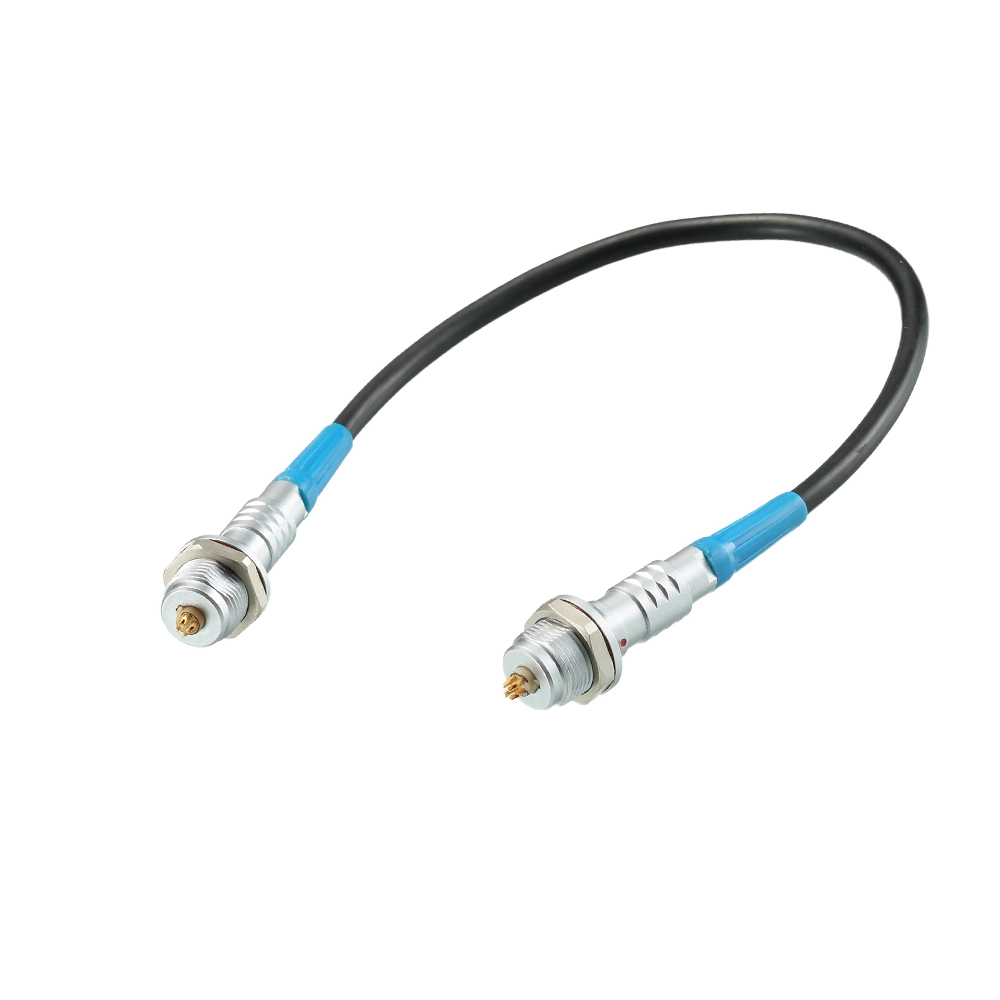
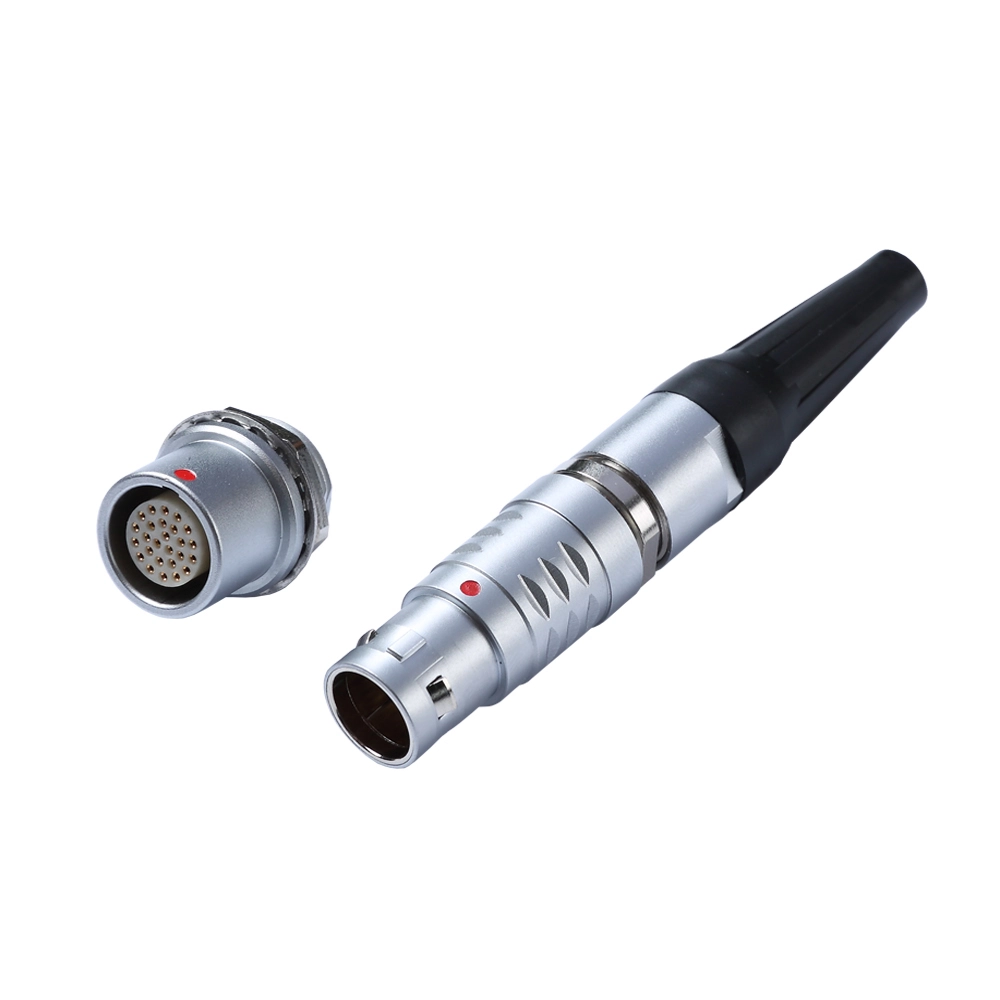
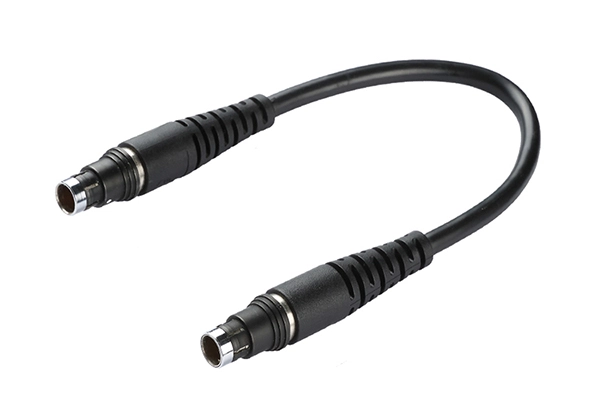
Shenzhen REUNION Electronic Co., Ltd. has manufactured circular push-pull connectors since 2011, offering both metal and plastic housing versions. The plastic push-pull connector line addresses applications where weight, electrical isolation, chemical exposure, or cost sensitivity takes priority over mechanical shielding. Medical devices, laboratory instruments, and portable diagnostic equipment are typical examples where these connectors provide reliable latching without adding unnecessary mass or conductive surfaces.
Polymer Selection and Chemical Compatibility
Plastic housings are produced from engineering resins selected for dimensional stability and resistance to common sterilization agents. Polysulfone (PSU) offers good hydrolytic stability and can withstand repeated autoclave cycles. Polyetherimide (PEI) provides higher rigidity and better performance at elevated temperatures. Polyetheretherketone (PEEK) is chosen for demanding chemical environments or continuous high-temperature operation. REUNION evaluates the polymer grade, filler content, and molding parameters for each design to ensure consistent mechanical retention and long-term creep resistance.
Electrical Isolation and Weight Reduction
Unlike metal shells, plastic bodies do not form a conductive path between the plug and receptacle. This simplifies grounding design in patient-connected equipment and battery-powered instruments where isolation is mandatory. A non-conductive housing also eliminates the risk of short circuits if the connector body contacts adjacent conductive surfaces. Weight savings are significant in portable or handheld devices, where every gram affects ergonomics and user fatigue. In applications requiring shielding, a separate metal insert or braid can still be integrated without converting the entire shell to metal.
Sealing and Ingress Protection
Plastic push-pull connectors can achieve IP50 to IP68 ratings through the use of O-rings, gaskets, and cable glands. The polymer shell must maintain tight tolerances around seal grooves to ensure consistent compression over repeated mating cycles. REUNION performs leak testing on sealed variants according to customer requirements, and the Waterproof Connector category provides further information on test methods and rating definitions. Non-sealed plastic versions are suitable for dry indoor environments such as laboratory benches and control panels.
Customization and Assembly Support
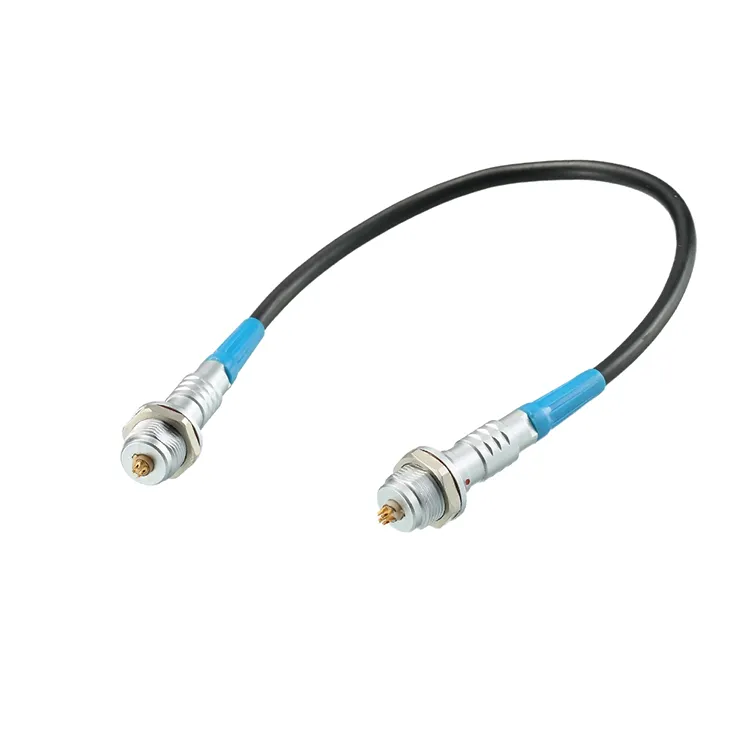
REUNION’s engineering department handles over 30 customized projects per year, many involving plastic push-pull connectors with specific pin counts, keying orientations, or overmolded cable exits. The factory spans approximately 4,000 square meters, employs around 150 people, and operates 10 production lines with a monthly capacity near 100,000 sets. Complete Cable Assembly services are available in-house, including wire cutting, stripping, soldering, and strain relief application. Customers comparing housing options may also review the Metal Push-pull Connector series for applications requiring shielding or higher mechanical impact resistance.
Certifications and Production Traceability
Quality management at REUNION follows ISO 9001 and ISO 14001, with ISO 13485 certification covering medical-related plastic connector projects. Products are tested to UL, CB, and CQC standards where applicable. Incoming resin batches are verified against material certificates, and finished connectors undergo continuity, insulation resistance, and dimensional checks. The ERP system records each production lot from raw material receiving to final shipment, enabling traceability for customers with strict documentation requirements.
Frequently Asked Questions
What are the main advantages of a plastic housing over a metal housing?
Plastic housings provide electrical isolation, lower weight, and often better resistance to certain chemicals and sterilization processes. They are preferred when grounding continuity is not required and when reducing system mass is important. Metal housings remain a better choice for shielding and high-impact mechanical environments.
Can plastic push-pull connectors be autoclaved?
Yes, if the selected polymer and seal materials are rated for the required temperature and steam exposure. PSU and PEEK are commonly used for autoclavable connectors. REUNION specifies material grades based on the sterilization method, cycle count, and chemical disinfectants involved.
Does REUNION provide custom color coding for plastic push-pull connectors?
Yes. Plastic housing color can be customized to help users distinguish different circuits, signal types, or device configurations. Custom keying options are also available to prevent mismating in multi-connector assemblies. These features are defined during the design review and documented in the production drawing.