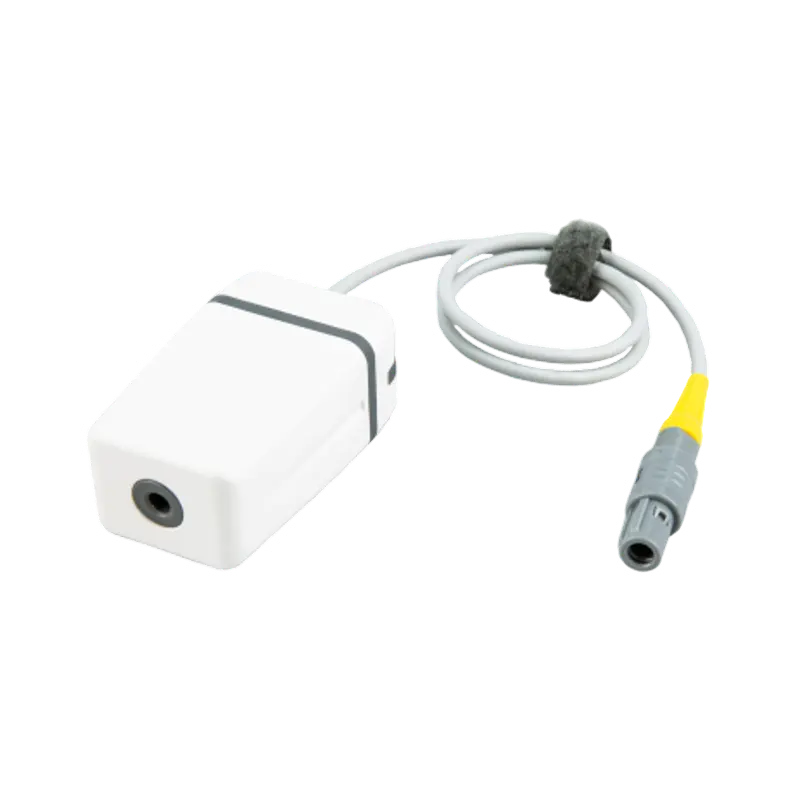
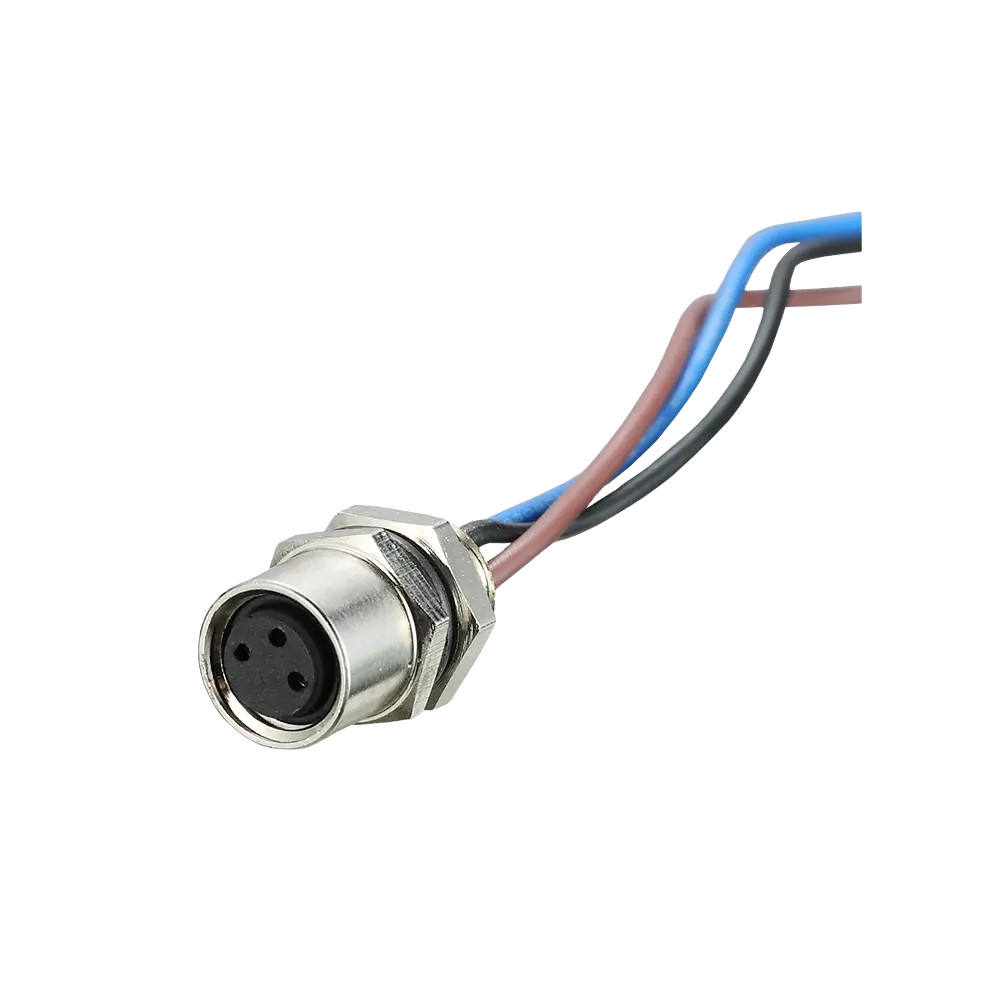
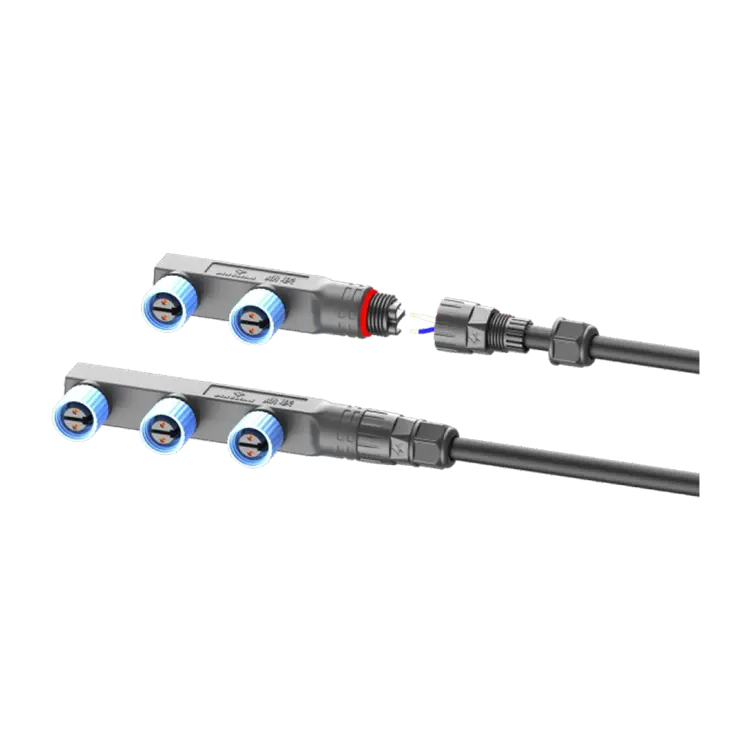
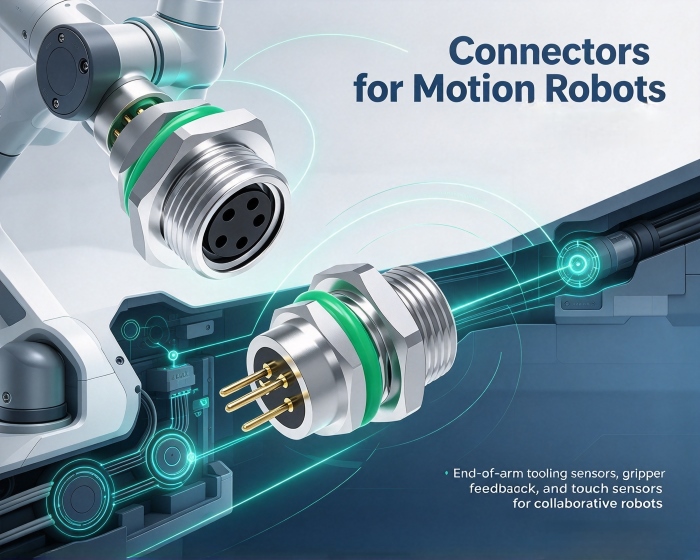
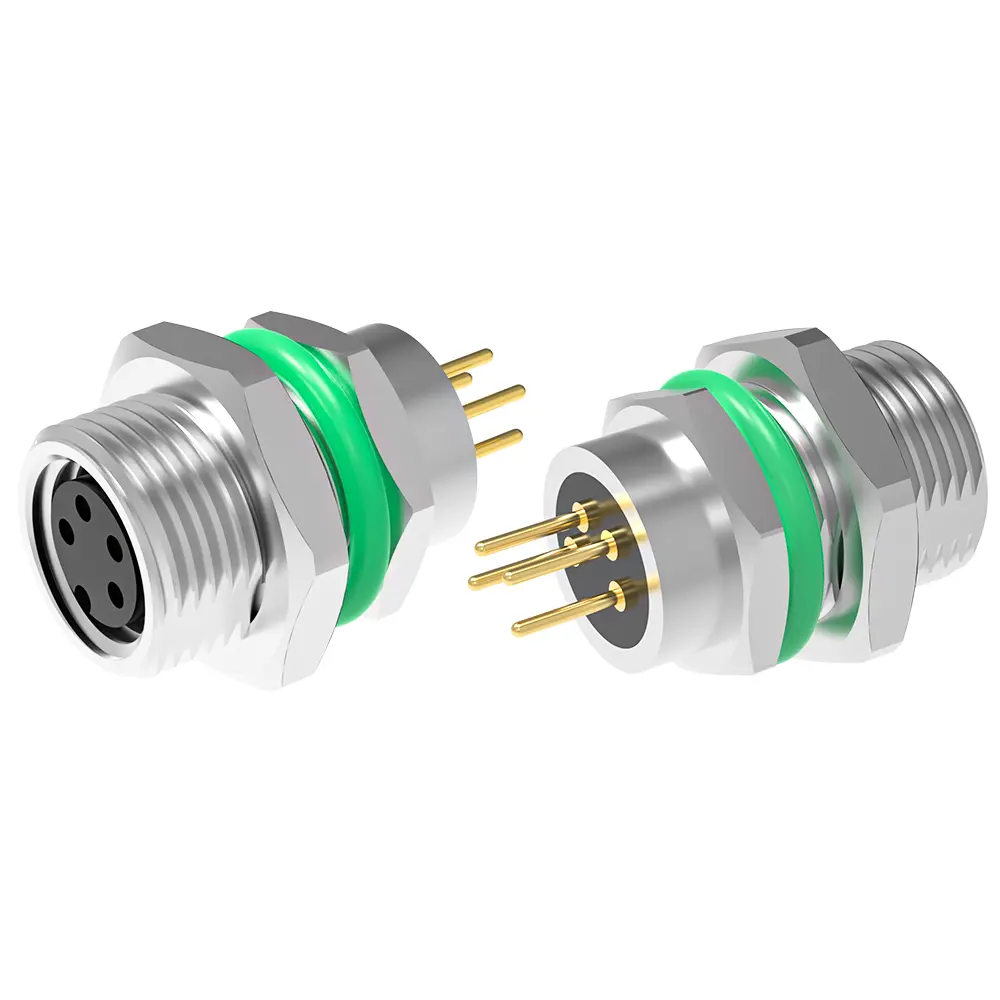
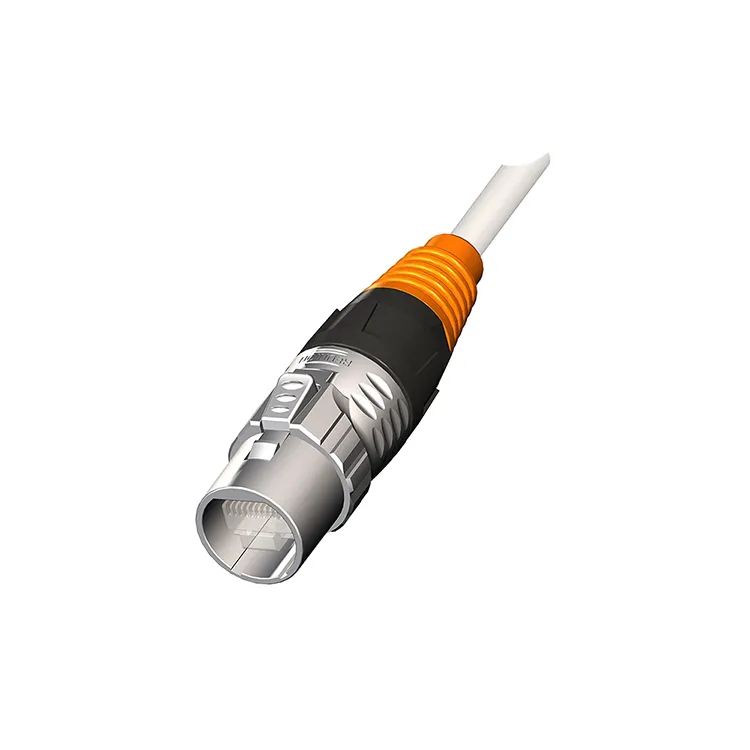
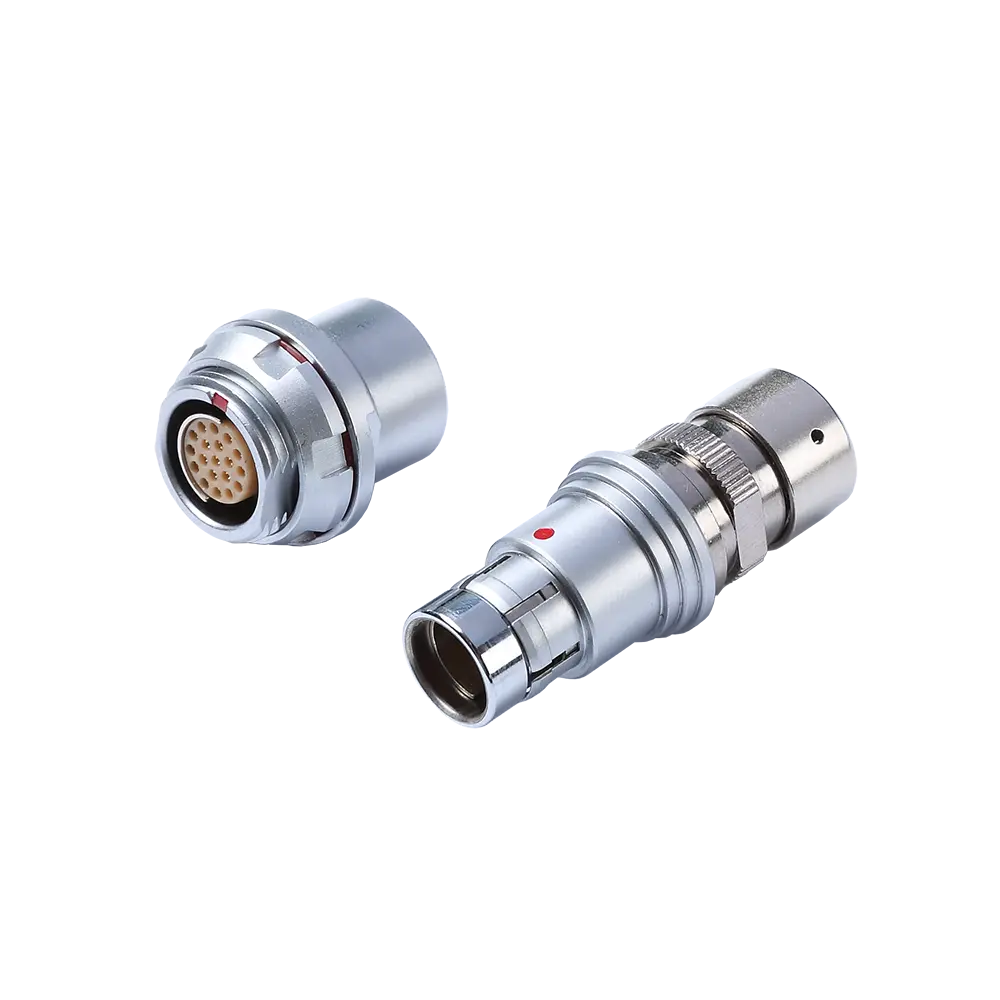
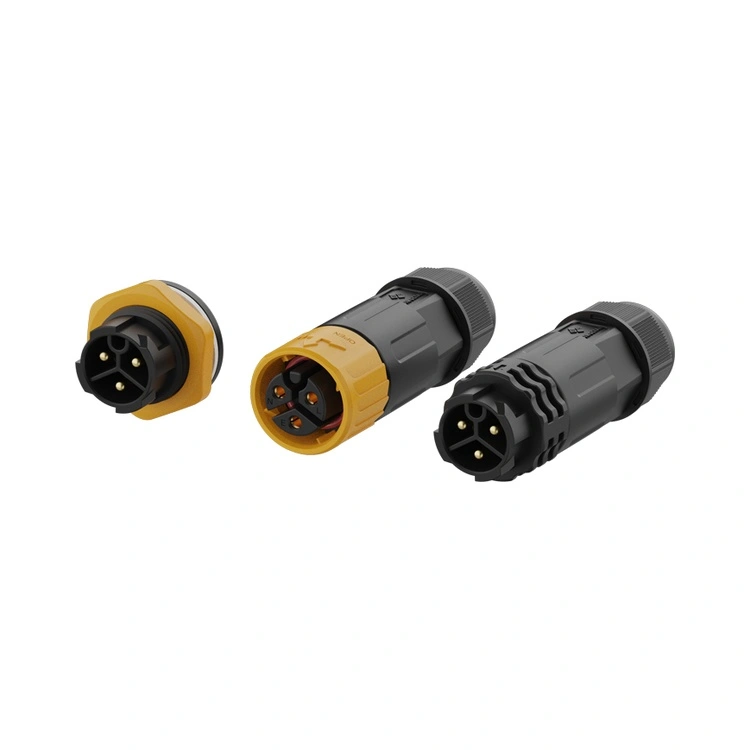
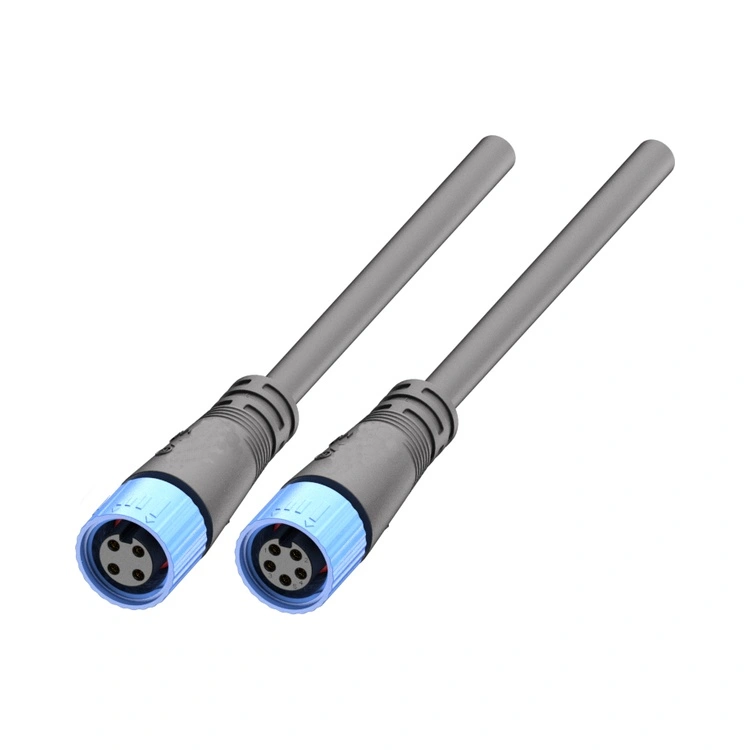
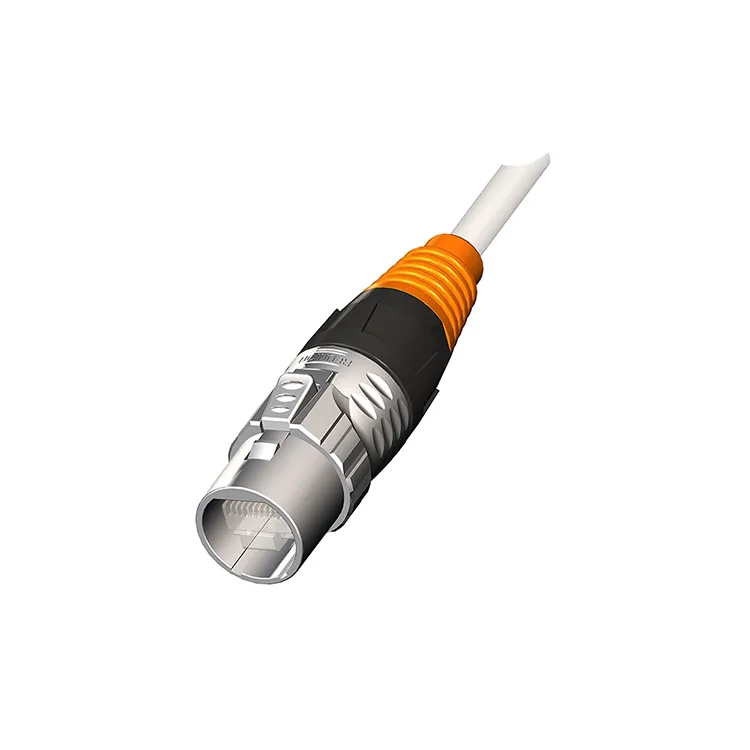
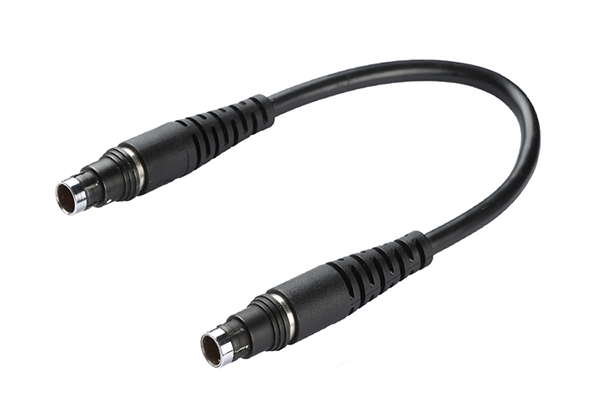
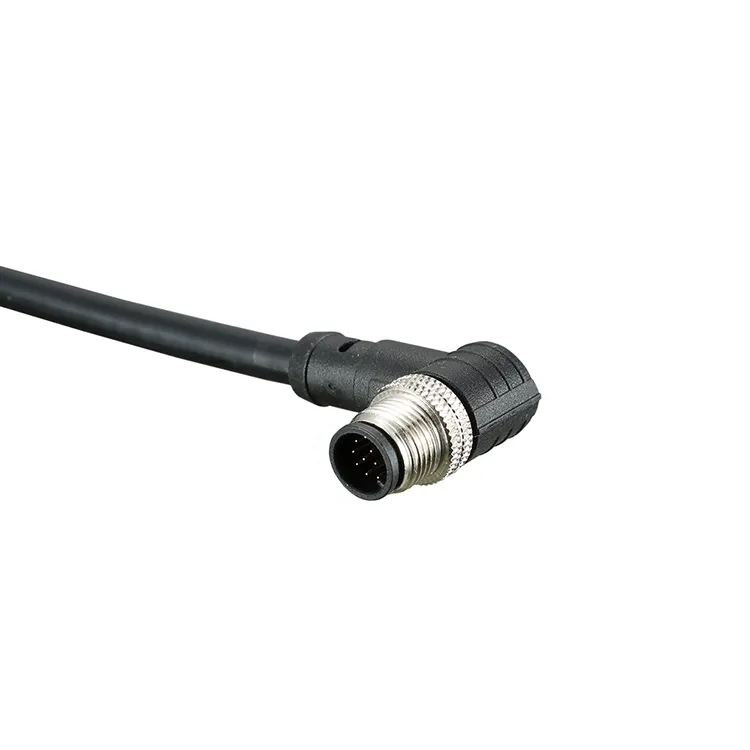
The joints of high-speed motion robots require three-dimensional, high-frequency composite motion, and the connectors are subjected to continuous vibration, torsion, and micro-motion wear. Traditional industrial robots have relatively fixed operating trajectories, and their connectors function primarily as power and signal pathways; in high-speed motion scenarios, however, failure rarely occurs instantaneously but rather accumulates gradually during continuous motion. The logic behind selecting connectors for motion robots should be based on deriving design requirements from these operating conditions.
Why Is Mechanical Reliability a Priority?
In environments with continuous vibration, standard friction-lock connectors may experience progressive loosening. Terminals shift slightly during vibration, causing contact pressure to gradually decrease, which ultimately leads to signal dropouts or power interruptions.
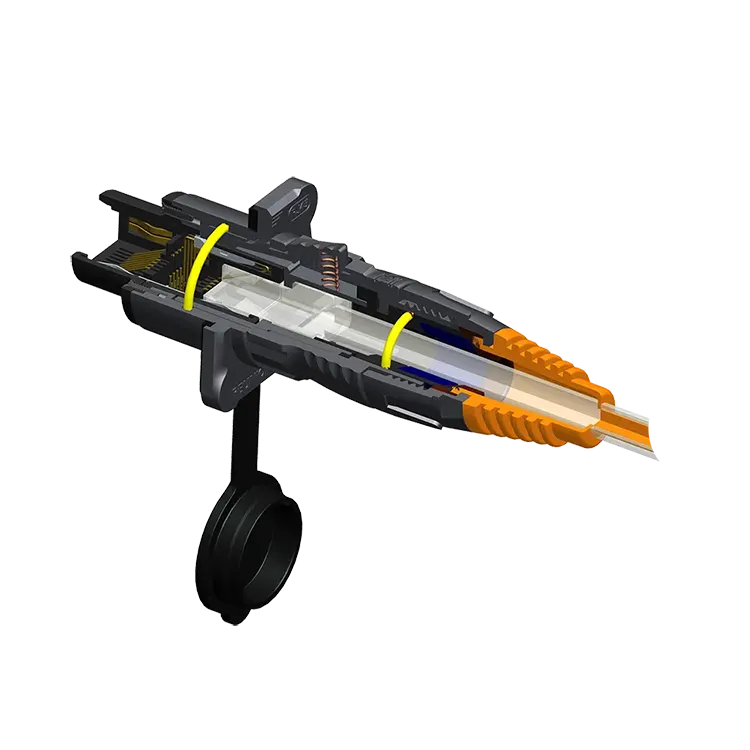
Design features addressing this issue include: positive latching and secondary locking—such as the Connector Position Assurance (CPA) mechanism—which uses mechanical stops to prevent accidental terminal disengagement; and redundant contact design, where dual contacts or two independent contacts maintain conductivity even if a single contact wears out. In critical locations such as joint modules, these mechanical reliability features should take precedence over other considerations. For connectors used in motion robots, vibration-resistant locking mechanisms are a fundamental requirement in continuous motion applications.
How Is Signal Integrity Ensured?
The demand for data bandwidth in high-speed robotic systems continues to rise. Real-time vision processing, motion control, and environmental sensing are highly coupled, often requiring high-speed differential signals and power lines to be routed in parallel within compact joints.
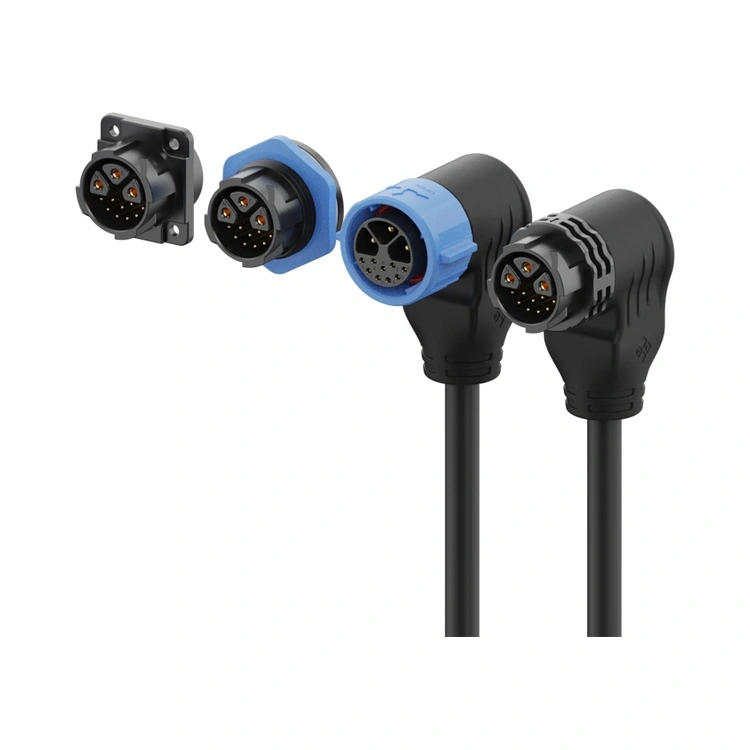
In this layout, electromagnetic interference (EMI) is a primary concern. Shielding designs that utilize controlled-impedance structures help reduce signal attenuation and crosstalk between signal and power lines. In servo-driven applications, connectors for motion robots must carry currents of several amperes while maintaining clear communication through signal channels for encoders, sensors, and other components. Hybrid connectors achieve electrical isolation and mechanical integration within a single interface, reducing wiring complexity and the number of connection points.
How Should Trade-Offs Be Made Regarding Space Adaptation?
Internal space within robot joints is relatively limited. When connectors are mated in confined spaces, they may be subjected to non-axial assembly stresses, which, over time, can cause housing deformation or terminal displacement.
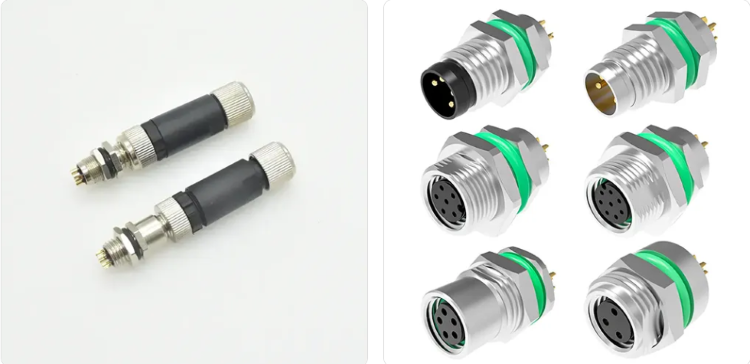
A floating design can absorb displacement caused by assembly tolerances and operational vibrations, thereby reducing the impact of assembly stresses on the terminals. Solutions with narrow pitch and low profile are directly suited for compact spaces, minimizing forced assembly due to space constraints. Once the first two criteria are met, select the most compact solution possible. Fitting connectors for motion robots into limited space requires a balance between reliability and compactness.
How Should Verification Be Conducted After Selection?
Once selection is complete, it is recommended to confirm with the supplier whether the product has undergone dynamic life testing, including performance data under vibration, torsion, and composite motion conditions. Static electrical parameters are merely a starting point; reliability under dynamic operating conditions is the core metric for connectors for motion robots.
About Us
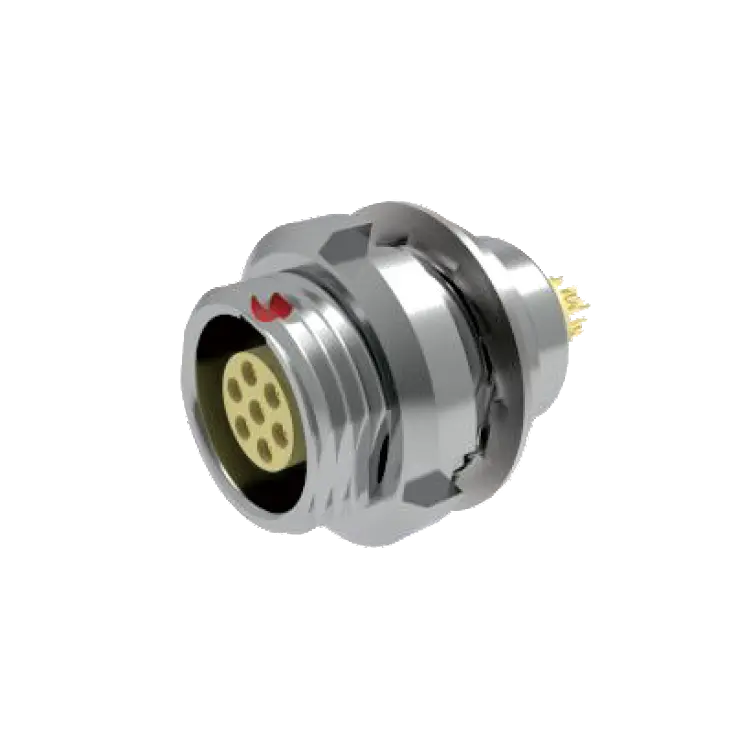
Reunion has extensive experience in push-pull self-locking connectors. Its vibration-resistant locking mechanism and compact design address the mechanical reliability and space-saving requirements of high-speed motion robots. Selecting a connector based on failure scenarios provides a more accurate match to actual needs than simply comparing specifications.
We use cookies to offer you a better browsing experience, analyze site traffic and personalize content. By using this site, you agree to our use of cookies. Privacy Policy