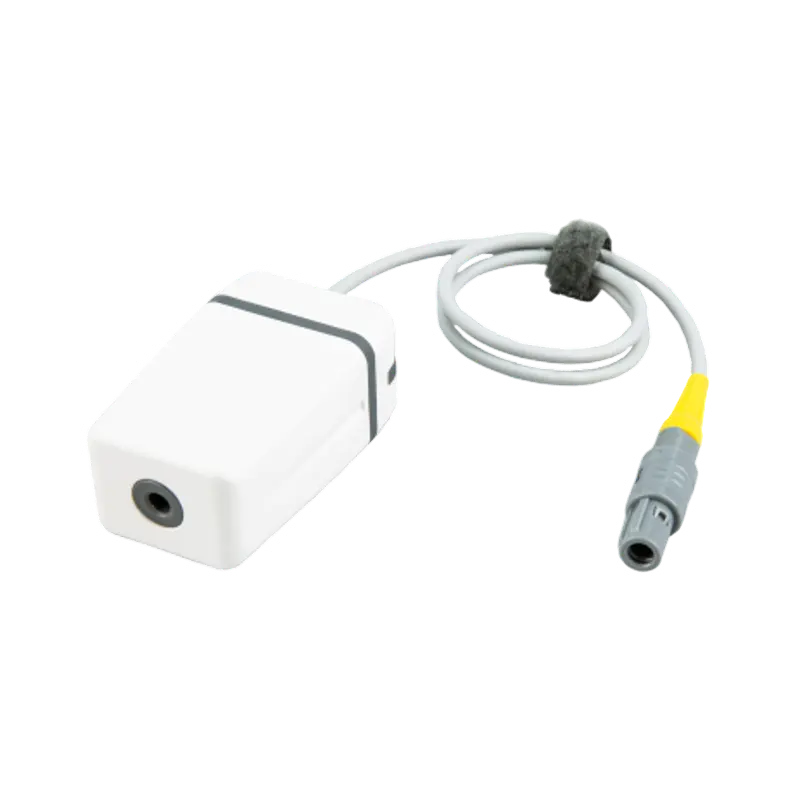
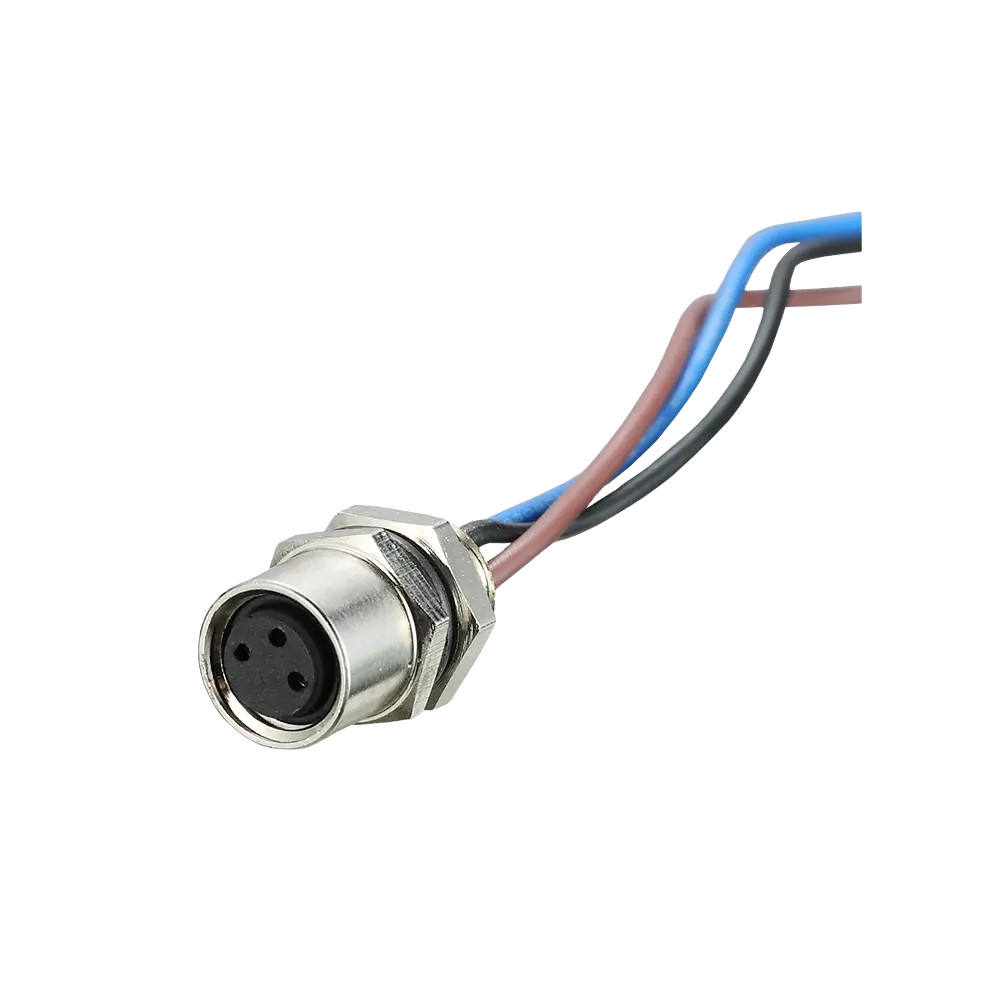
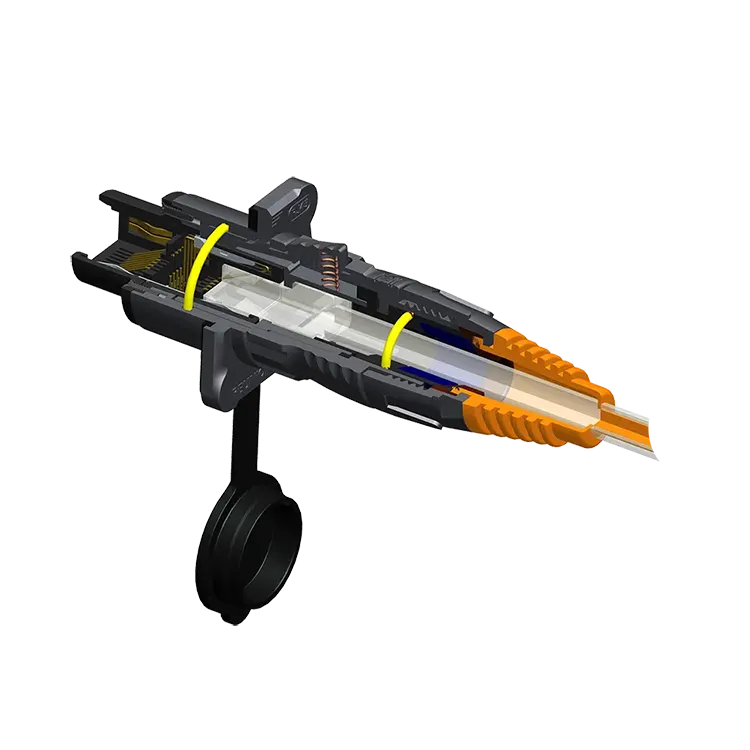
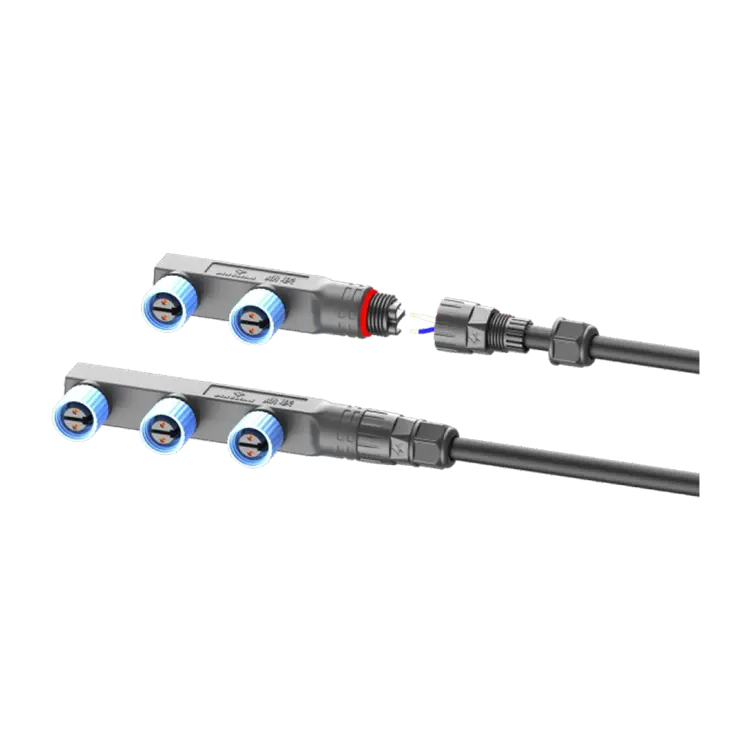
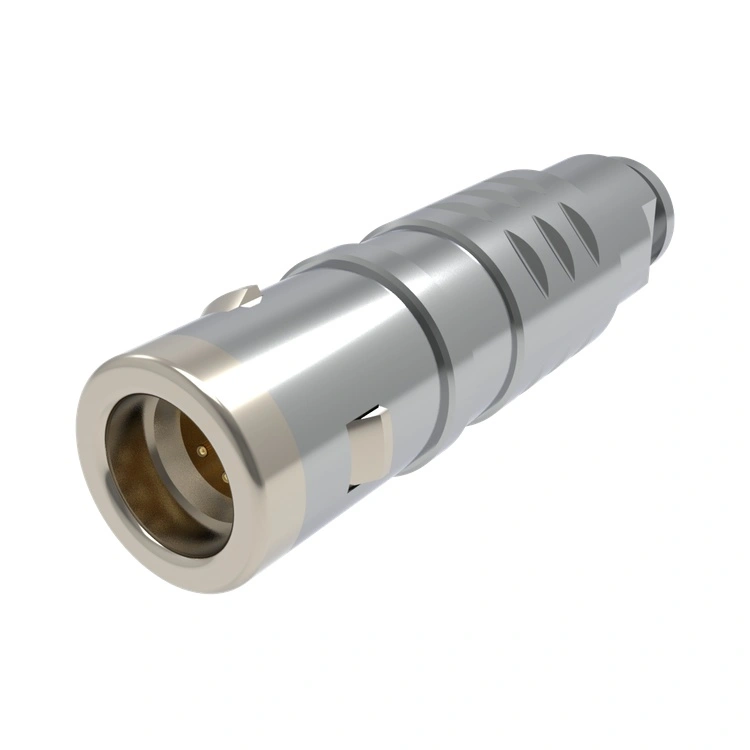
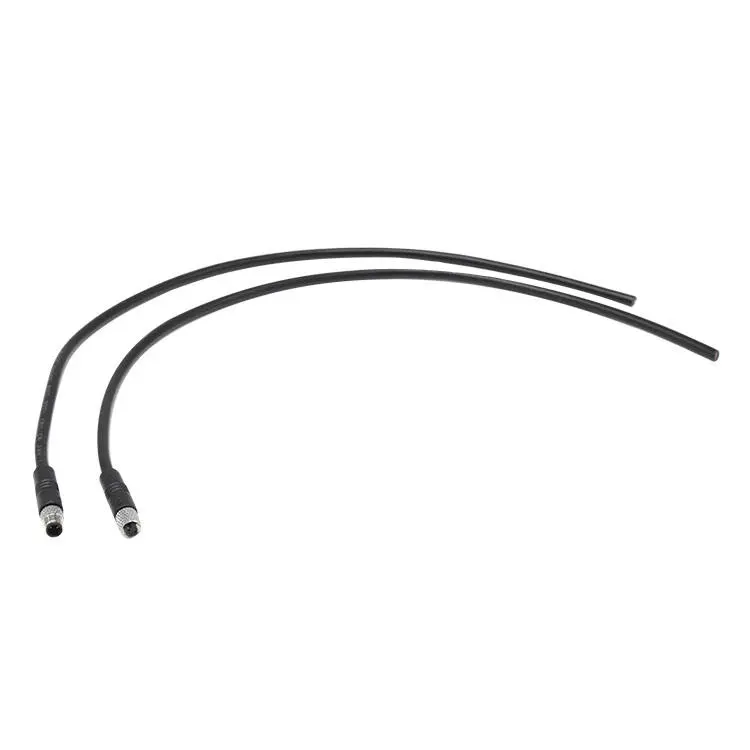
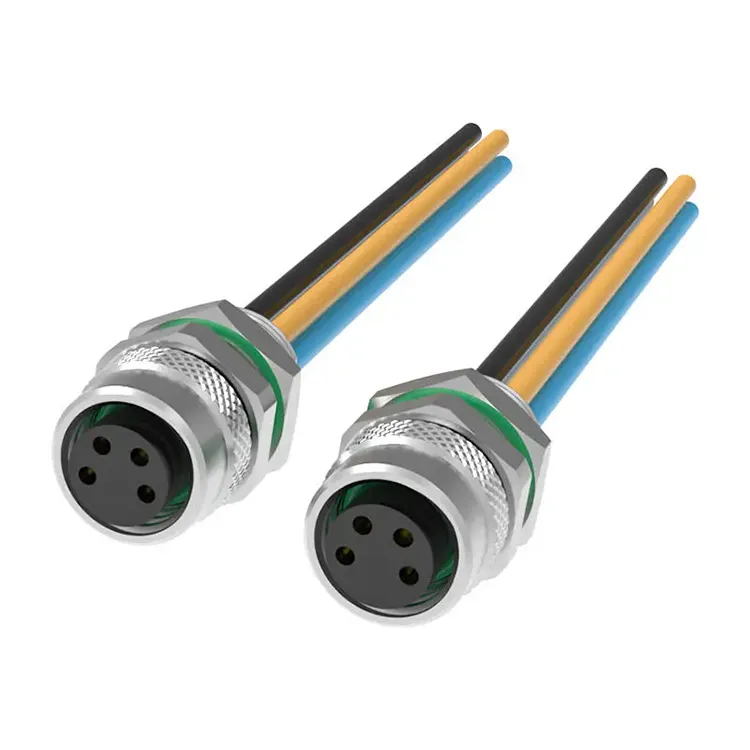
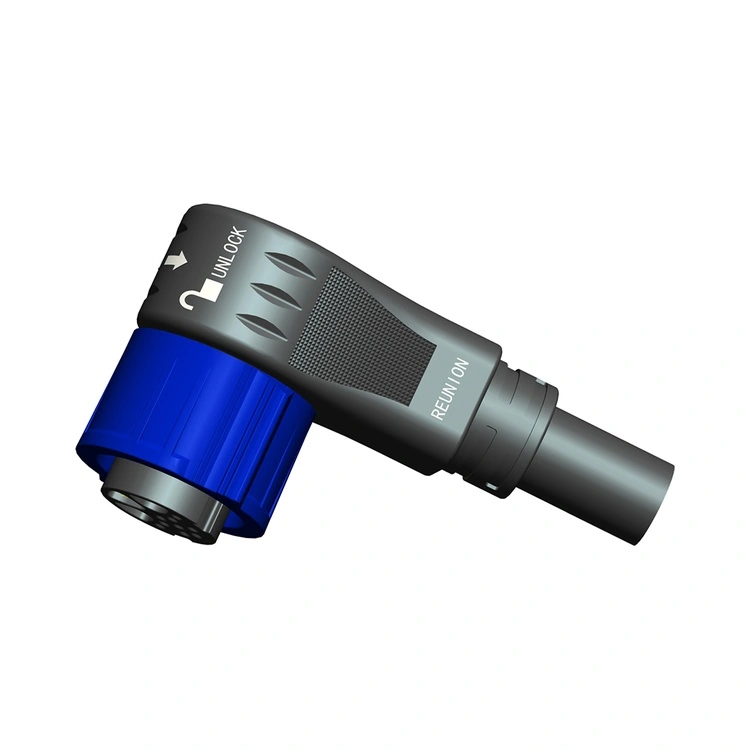
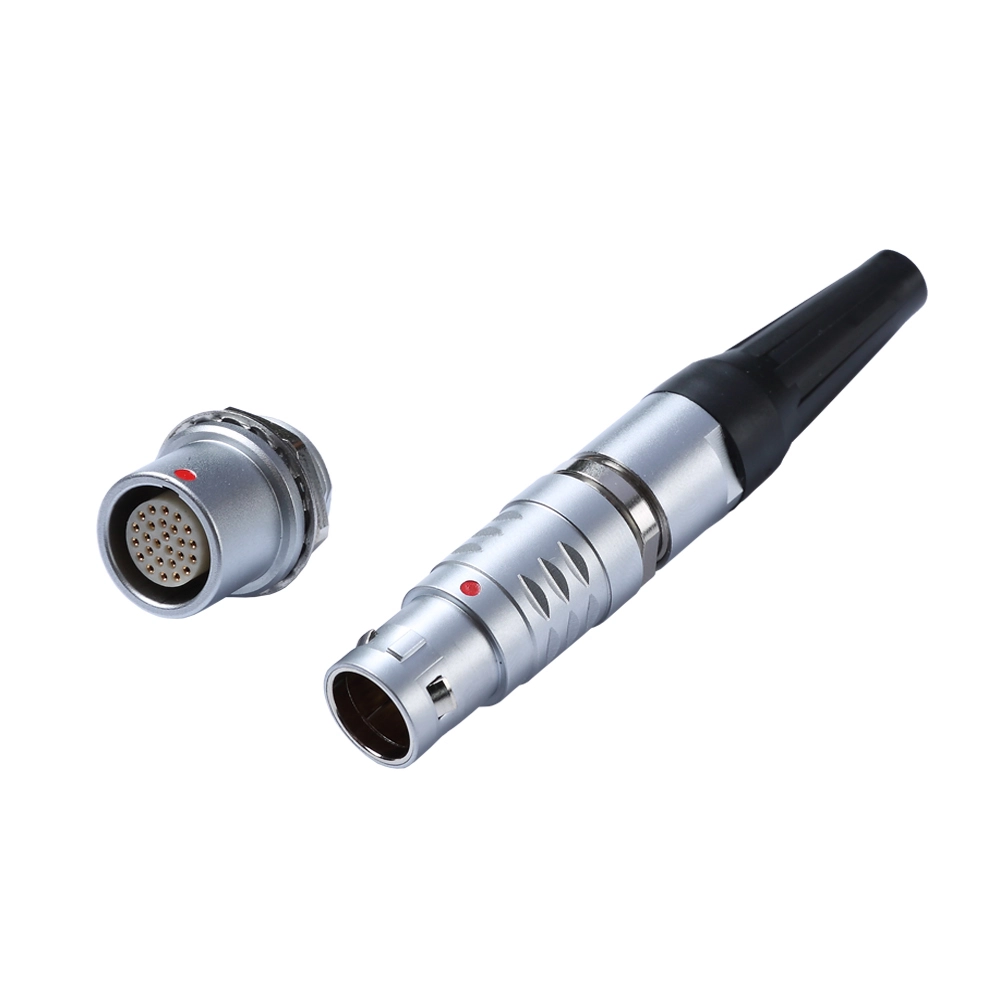
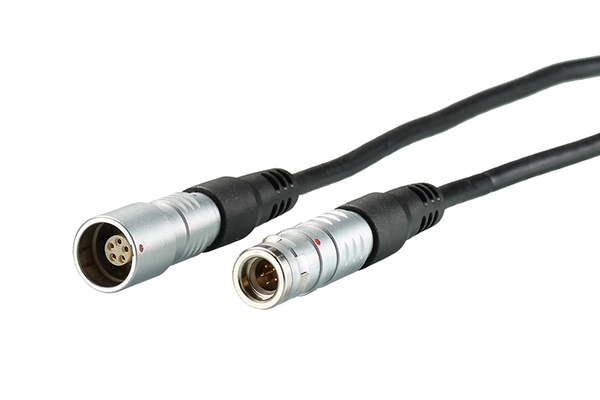
Reunion delivers the M12 Series Industrial Waterproof Connector for manufacturers seeking dependable electrical connections in demanding industrial environments. Designed for compatible automation, sensing, and control systems, this connector series offers a practical combination of compact installation, secure threaded coupling, and model-dependent environmental protection to support stable equipment operation.
Article Summary: Industrial connectivity affects machine uptime, signal accuracy, and maintenance costs. The M12 Series Industrial Waterproof Connector is widely used to connect sensors, actuators, control units, and industrial communication equipment. Understanding connector coding, contact configuration, ingress protection, cable construction, and electrical ratings helps engineers select the right solution. This article explores the operating principles, essential specifications, industry applications, installation practices, and purchasing considerations that help businesses make informed connector decisions.
1. Why Does Industrial Connectivity Matter?
2. What Makes the M12 Connector Different?
3. Which Design Features Deliver Practical Benefits?
4. Which Technical Specifications Should You Evaluate?
5. Which Industries Benefit from M12 Connectors?
6. How Should Buyers Evaluate an M12 Connector Supplier?
7. What Practices Help Extend Connector Service Life?
Modern industrial equipment depends on the accurate transfer of electrical power and signals between interconnected components. Sensors collect operating data, actuators execute commands, and controllers coordinate machine movements. Every connection within this system contributes to overall performance.
A connector that loosens under vibration, allows moisture to reach electrical contacts, or fails to maintain consistent contact can interrupt production and complicate troubleshooting. In automated manufacturing, even a minor connection problem may lead to unexpected downtime, repeated maintenance, or inaccurate sensor readings.
Industrial connectors must therefore satisfy several requirements at the same time:
The M12 connector format addresses many of these needs through a compact circular design and a threaded coupling system. When the correct model is selected for the application, it can help engineers build organized, maintainable, and dependable industrial wiring systems.
The M12 designation refers to a connector interface with a nominal 12 mm threaded coupling. Its compact dimensions make it particularly useful for field devices and machinery where installation space is limited but a secure electrical connection remains essential.
Unlike a connector selected solely for its physical appearance, an M12 product must be evaluated according to its complete configuration. Different models can have different pin counts, coding arrangements, contact assignments, cable types, and electrical performance ratings.
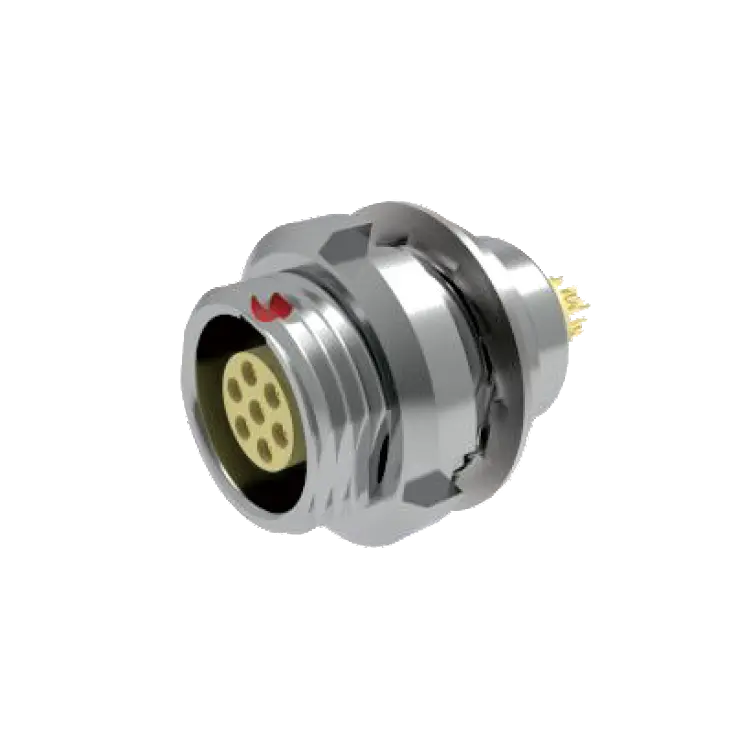
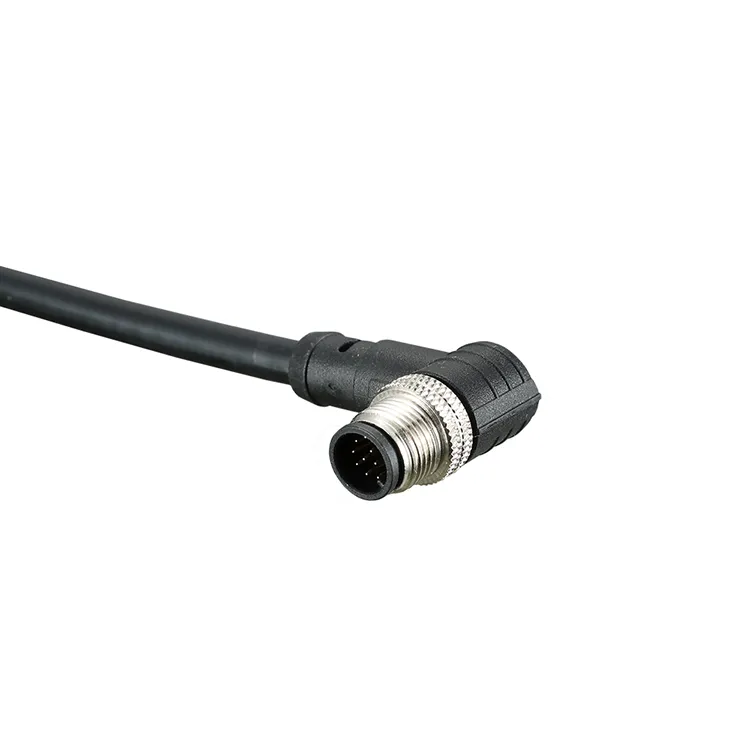
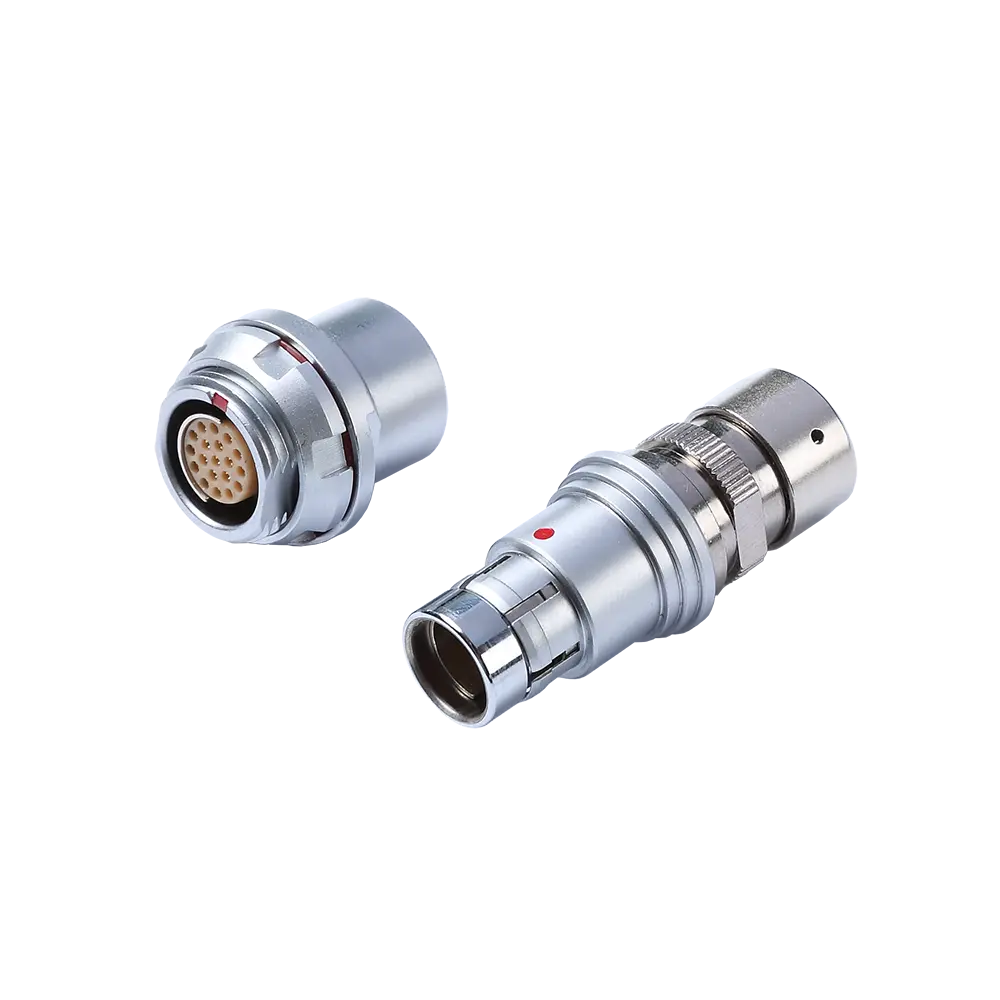
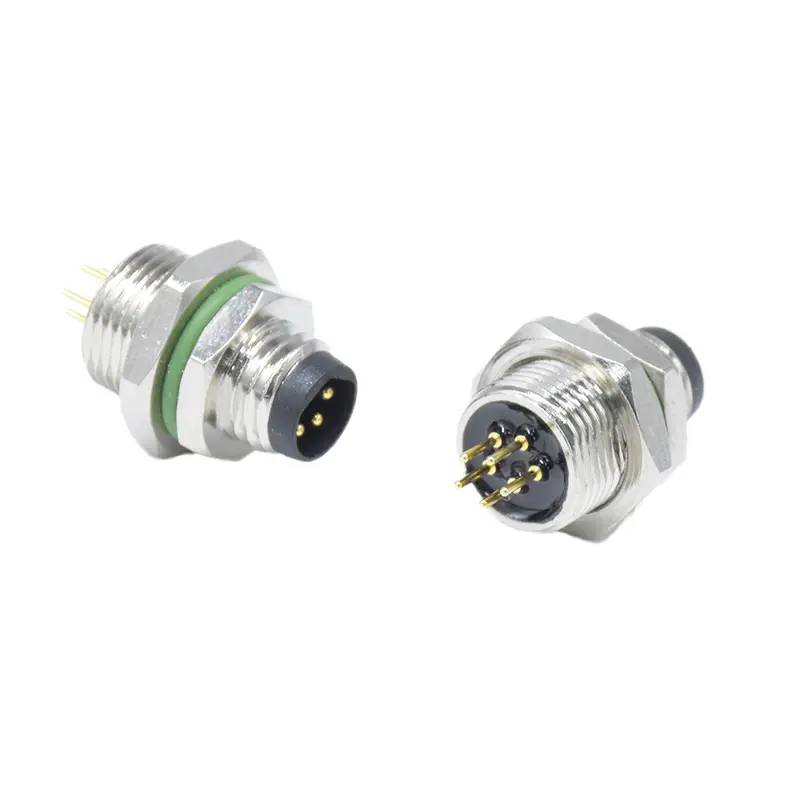
Depending on the specific product, available configurations may include straight connectors, right-angle connectors, cable-mounted plugs, and panel-mounted receptacles. A straight design may suit accessible installation points, while a right-angle design can help manage cable clearance in confined spaces.
Some M12 configurations are intended for sensor and actuator signals, while other coding systems support particular industrial communication or power applications. These variants should not be treated as interchangeable. Engineers must verify the pin arrangement, coding, voltage, current, and interface requirements before connecting equipment.
Waterproof M12 connectors use appropriate housing, sealing, and cable-entry arrangements to limit the ingress of external contaminants. The protection level varies by model and installation condition. For example, an IP67-rated assembly is designed for dust-tight protection and temporary immersion under defined test conditions, provided it is correctly assembled and used as specified.
For product-specific configurations and available options, consult the Reunion M12 Series Industrial Waterproof Connector product page.
Industrial machines often contain numerous sensors and control components within a limited footprint. The M12 form factor provides a compact connection interface that can help simplify wiring layouts and reduce unnecessary installation space.
This can be especially useful in conveyor systems, robotic equipment, packaging machinery, and distributed automation installations where multiple field devices are connected to a common control architecture.
A threaded connection helps retain the mating interface during ordinary equipment operation. Compared with an inadequately secured connection, a correctly assembled threaded coupling can reduce accidental separation caused by routine movement and vibration.
However, the connection should always be tightened according to the manufacturer's instructions. Excessive tightening can damage the connector, while insufficient tightening may compromise mechanical security or sealing performance.
Suitable sealing components can help protect electrical contacts from dust and moisture. This is important for equipment installed near production processes, cleaning areas, outdoor machinery, and other locations where environmental exposure is expected.
Protection depends on the complete assembly, including the mating interface, cable entry, mounting arrangement, and condition of the seals. The connector must be selected according to the actual operating environment rather than the word "waterproof" alone.
Different cable materials and contact arrangements allow an M12 connector to be matched to particular equipment requirements. Depending on the model, buyers may need to evaluate cable flexibility, abrasion resistance, conductor size, shielding, contact plating, and installation orientation.
Using compatible, standardized connector interfaces can make component replacement and fault isolation more straightforward. Technicians can identify connection points more easily, provided that wiring documentation, pin assignments, and replacement part numbers are maintained accurately.
Choosing a connector by appearance or thread size alone is insufficient. A purchasing team should compare the manufacturer's published specifications with the electrical, mechanical, and environmental demands of the target application.
The following table outlines the main parameters to evaluate when reviewing an M12 waterproof connector. Actual values must be confirmed against the selected model's current datasheet.
| Specification | What to Check | Why It Matters |
|---|---|---|
| Connector interface | M12 threaded coupling and mating design | Ensures mechanical compatibility with the equipment. |
| Pin configuration | Number of contacts and pin assignment | Supports correct wiring and signal transmission. |
| Coding | A-coded, D-coded, X-coded, or other specified type | Helps identify the intended interface and prevent incompatible connections. |
| Rated voltage | Manufacturer-specified operating voltage | Must match the electrical system and applicable safety requirements. |
| Rated current | Current rating for the selected configuration | Helps prevent operation beyond the connector's electrical limits. |
| Ingress protection | Required IP rating and assembly conditions | Determines suitability for anticipated dust and moisture exposure. |
| Operating temperature | Specified minimum and maximum temperatures | Helps maintain performance under changing ambient conditions. |
| Contact material | Base material and contact plating | Affects electrical contact performance and resistance to wear or corrosion. |
| Cable construction | Conductor size, jacket material, length, and shielding | Supports the installation, flexibility, and environmental requirements. |
| Mechanical durability | Mating-cycle rating and coupling requirements | Helps assess suitability for maintenance and repeated connection. |
Important selection note: Do not assume that every connector in the M12 series supports the same voltage, current, pin count, coding, temperature range, or IP rating. For example, a four-pin sensor connector and a high-speed data connector may have substantially different electrical requirements despite sharing the M12 designation.
Before ordering, request the exact part number, dimension drawing, wiring diagram, and applicable test data. These documents make it easier to confirm that the connector meets the system's requirements.
Automated production lines rely on sensors, actuators, and distributed control modules to monitor equipment and coordinate machine operations. Suitable M12 connectors provide practical connection points for field devices and help organize machine wiring.
Robotic cells and packaging equipment may contain moving assemblies, compact sensor mounts, and limited cable-routing space. The availability of different connector orientations and cable configurations can help engineers design more accessible connections. Dynamic applications still require cable and connector assemblies rated for the actual movement and bending conditions.
Compatible M12 coding variants are used in selected industrial networking applications. The correct model depends on the communication standard, required data rate, pin assignment, shielding arrangement, and network equipment interface.
Outdoor sensors and monitoring devices can encounter rain, dust, temperature changes, and other environmental stresses. A suitably rated M12 connector can help protect the electrical interface when the complete assembly is installed according to its specifications.
Selected transportation systems and industrial vehicles use circular connectors to link sensors and control devices. For these applications, designers should consider vibration, cable movement, temperature fluctuations, fluid exposure, and any industry-specific qualification requirements.
Across all these sectors, the best connector is the one that matches the actual operating conditions, not necessarily the model with the highest nominal rating or the lowest purchase price.
Supplier selection affects more than the initial procurement cost. Product consistency, technical support, documentation, production planning, and communication can all influence project timelines and long-term maintenance.
When evaluating a supplier such as Reunion, purchasing teams should consider the following points and confirm which services apply to the required product configuration.
For larger procurement projects, buyers should also establish an approval process for samples and specifications before mass ordering. Documenting the approved part number and revision helps reduce the risk of receiving a connector that differs from the tested configuration.
To review the available product information, visit the Reunion industrial waterproof connector page and communicate your technical requirements directly to the supplier.
Proper installation is essential for maintaining electrical stability and environmental protection. Even a high-quality connector can fail prematurely if its contacts, threads, cable, or seals are damaged during assembly or operation.
Inspection frequency should reflect the severity of the operating environment. Connectors exposed to frequent washdowns, chemical substances, strong vibration, or continuous movement may require additional attention. Always follow the manufacturer's instructions and the equipment's maintenance plan.
Its primary purpose is to provide a compact electrical connection for compatible industrial devices, including sensors, actuators, control equipment, and selected communication systems. Depending on the model, environmental sealing helps protect the connection against dust and moisture.
No. Protection ratings vary by model and assembly design. Buyers should check the exact product datasheet and confirm whether the rating applies to a mated connector, an unmated connector, or a particular installation condition.
A-coded and D-coded connectors use different keying and contact arrangements for different intended applications. A-coded variants are commonly used for sensors and actuators, while D-coded variants are associated with certain industrial Ethernet applications. Actual compatibility must be verified against the relevant protocol, pin assignment, and equipment documentation.
Yes, provided the selected connector and complete cable assembly are rated for the expected outdoor conditions. Buyers should evaluate ingress protection, temperature range, UV exposure, corrosion risk, cable-jacket durability, and mounting arrangements before installation.
Start by identifying the mating interface, coding, pin count, electrical ratings, communication requirements, cable specifications, and environmental conditions. Compare these requirements with the manufacturer's datasheet and request technical confirmation if any parameter is uncertain.
Include the required connector type, male or female interface, coding, pin count, cable length, conductor size, voltage and current requirements, protection rating, estimated quantity, and any available drawings or photographs. Clear specifications help the supplier assess compatibility and provide a more relevant quotation.
The M12 Series Industrial Waterproof Connector provides a versatile connection option for modern automation, industrial sensing, machinery, and selected communication systems. Its compact format and threaded coupling can support organized wiring and secure connections, while suitable sealing and cable configurations help address demanding operating environments.
Successful selection depends on more than the M12 interface itself. Electrical ratings, coding, pin assignment, environmental protection, cable construction, and installation requirements must all be verified against the intended application. A careful specification review can reduce compatibility problems, improve maintenance efficiency, and support more reliable equipment operation.
Reunion offers an M12 Series Industrial Waterproof Connector solution for businesses evaluating industrial connectivity components. Whether you are developing new machinery, sourcing replacement parts, or planning a customized cable connection, review the product details and prepare your application requirements before purchasing. Contact us to discuss your connector specifications, confirm product compatibility, and request a quotation tailored to your project.