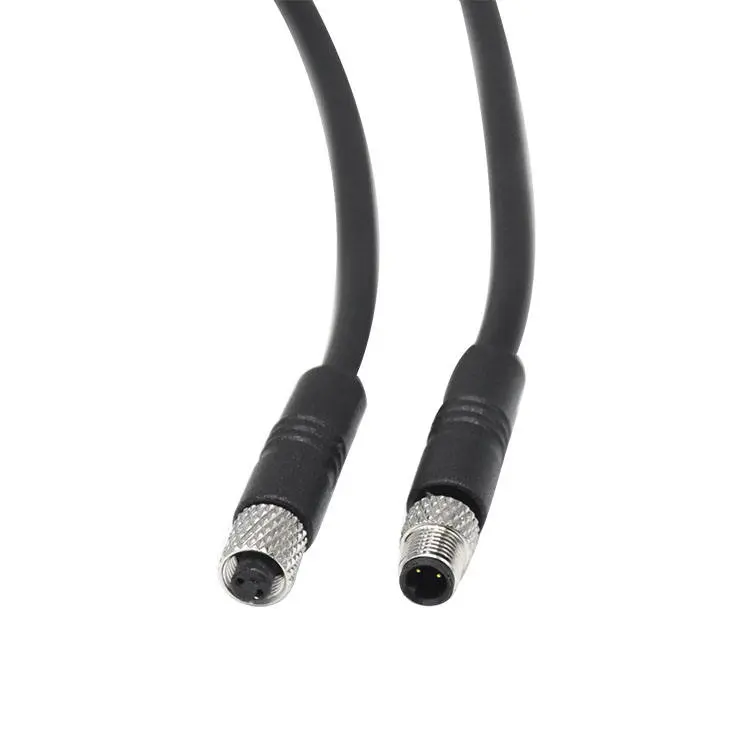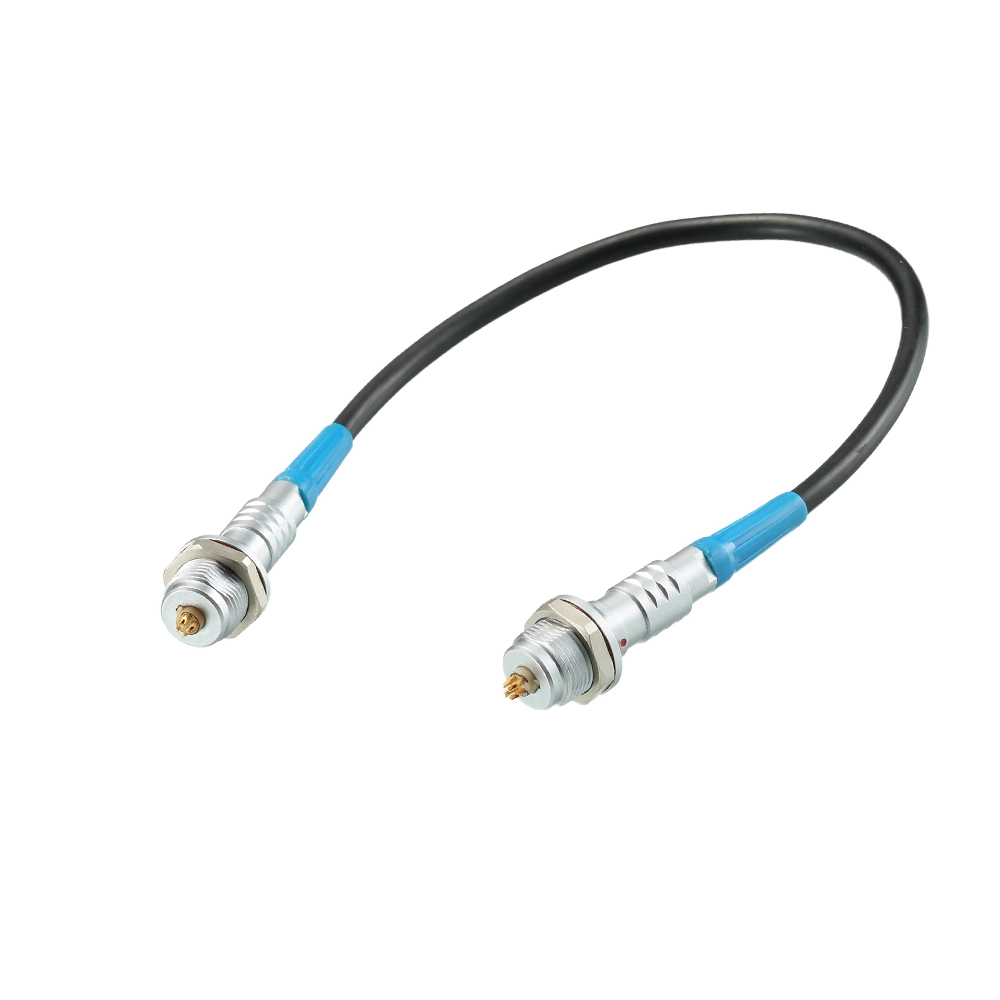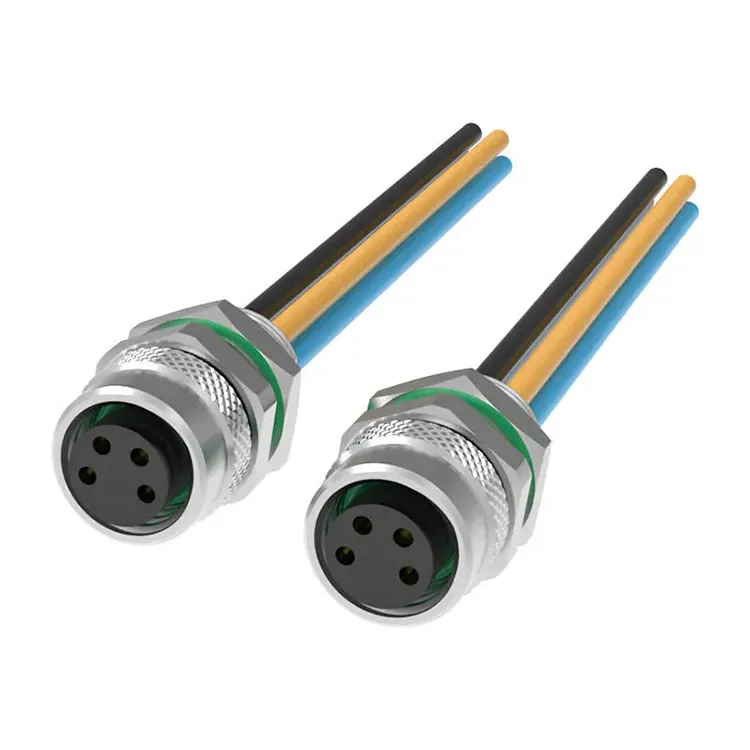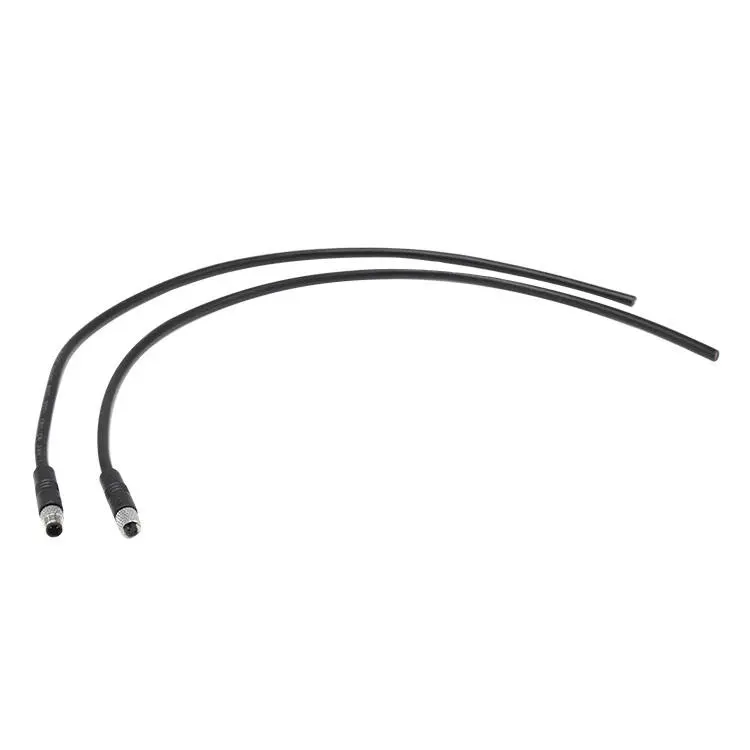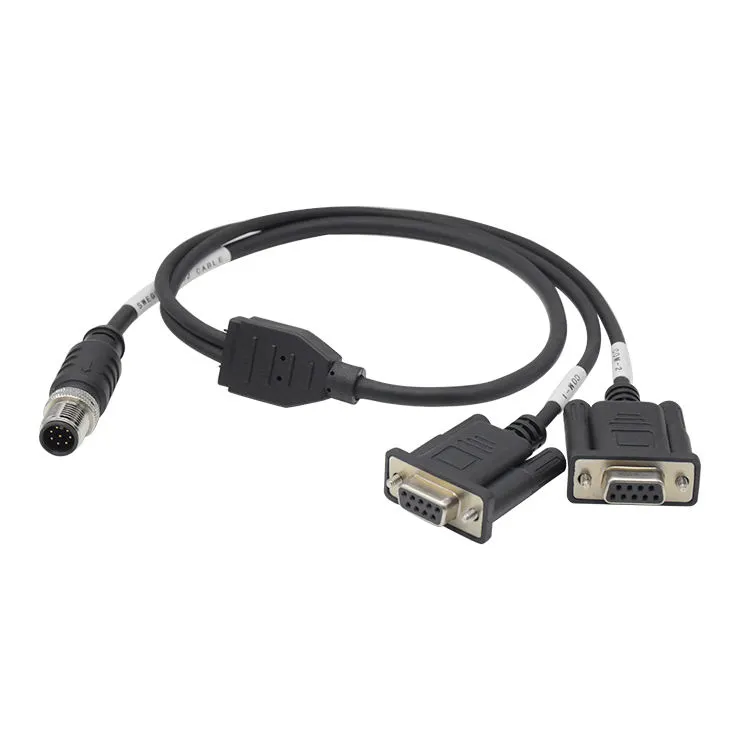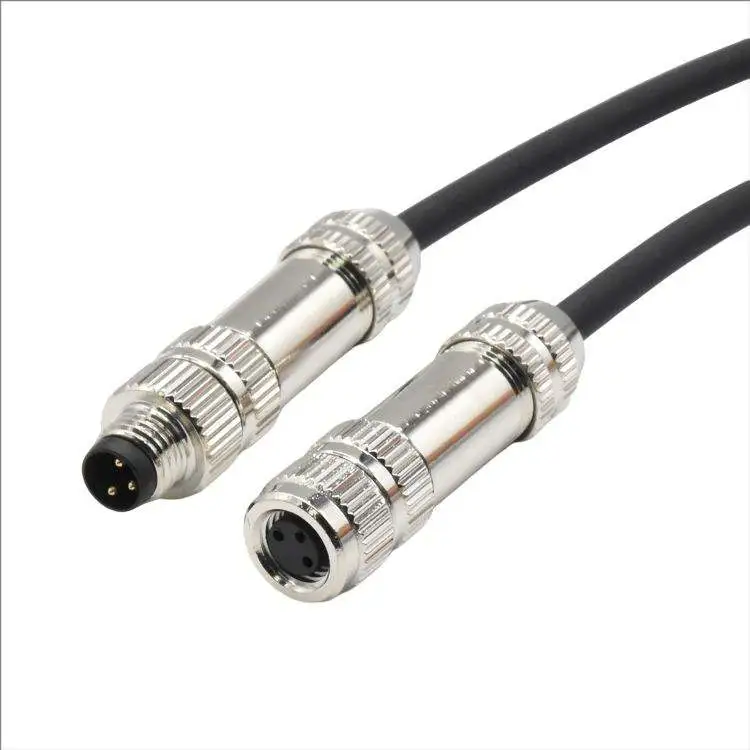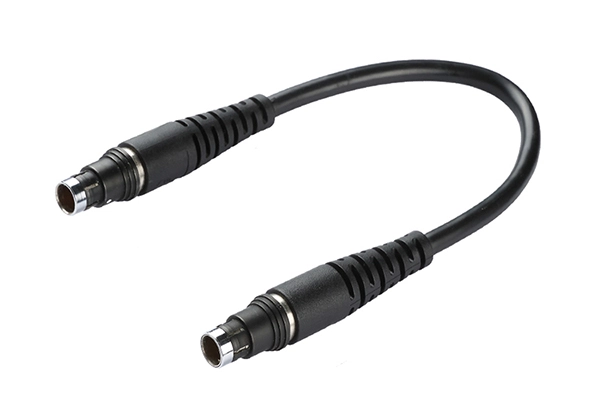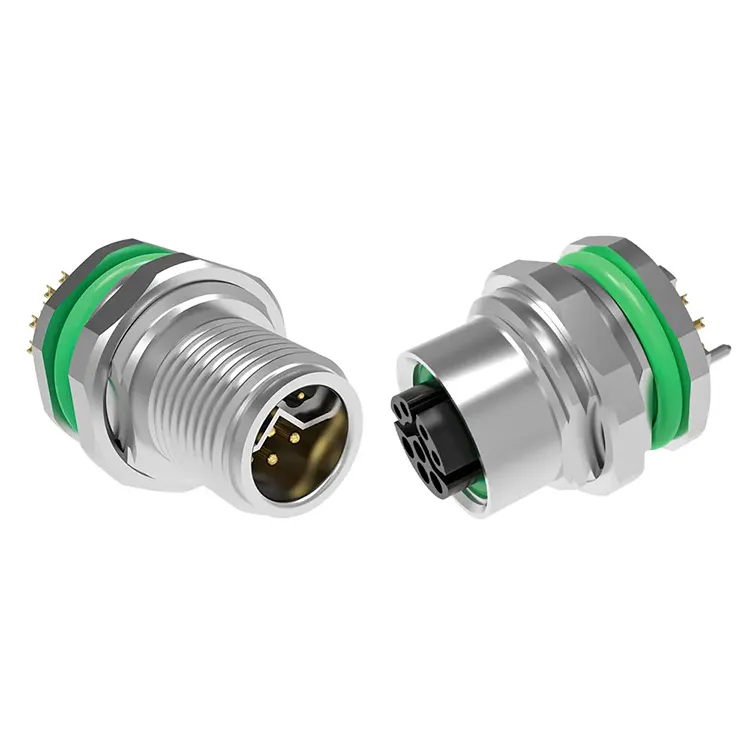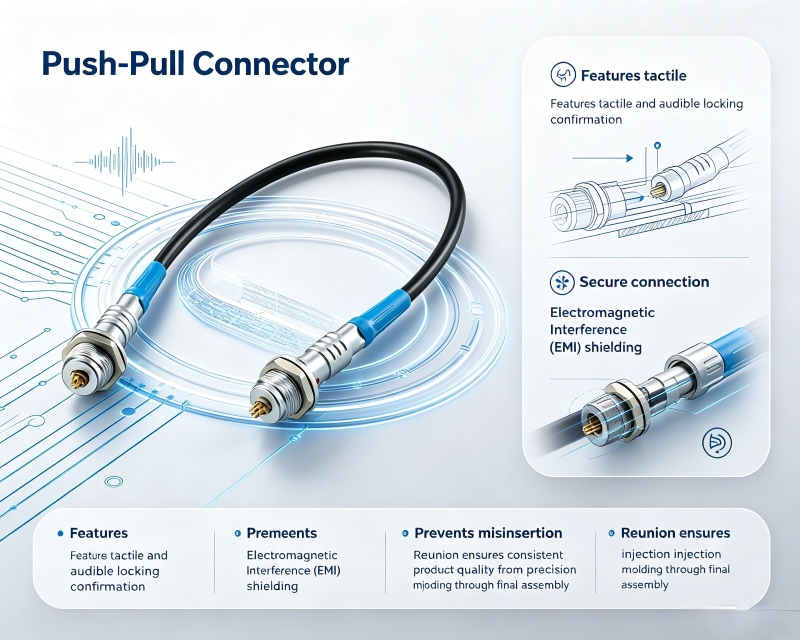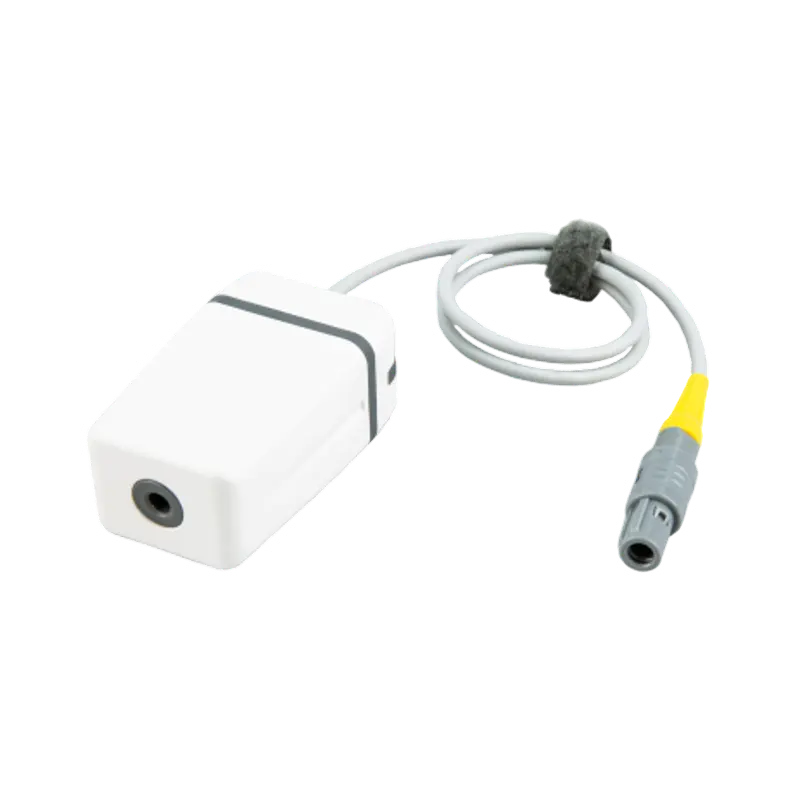
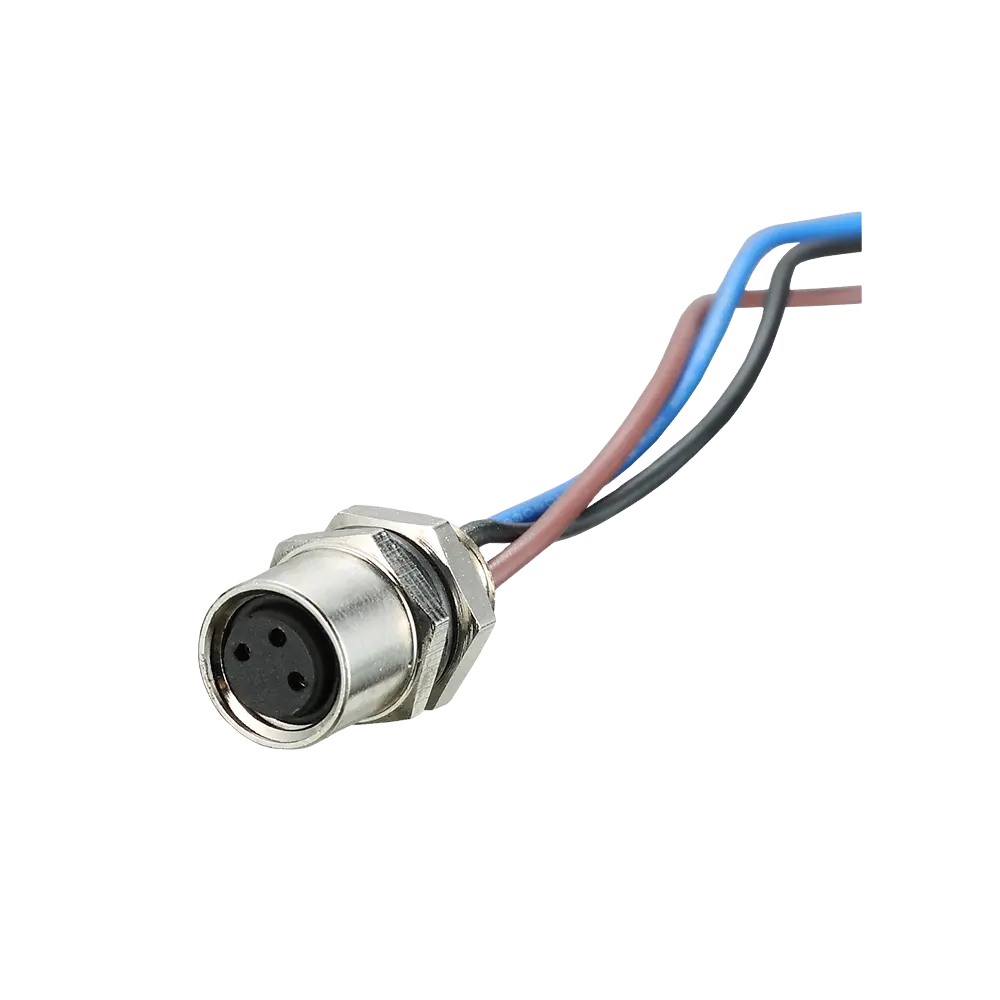
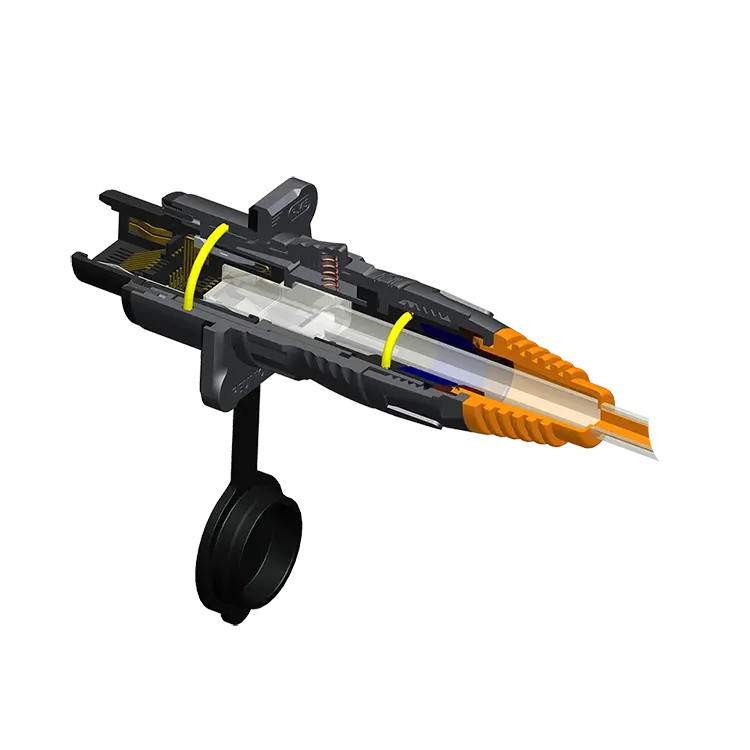
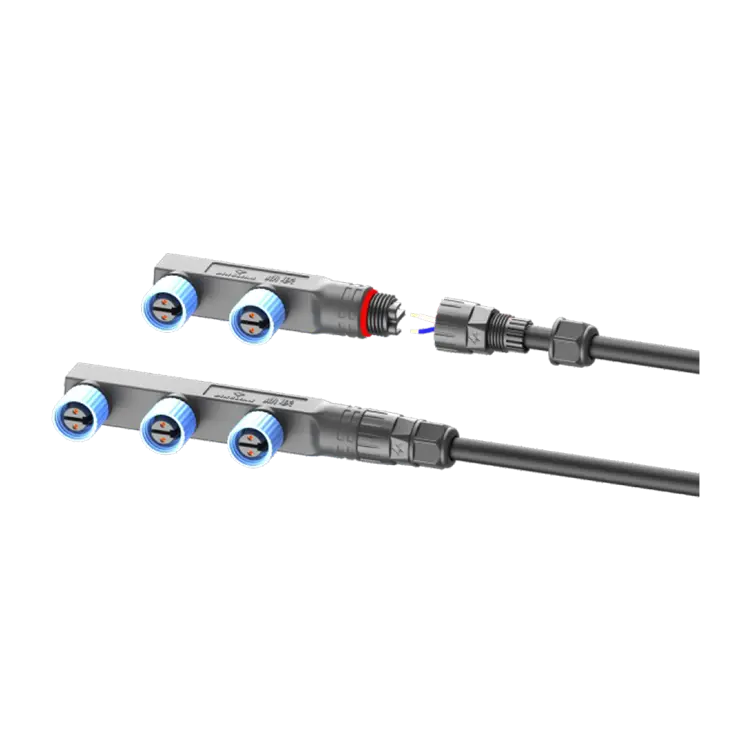
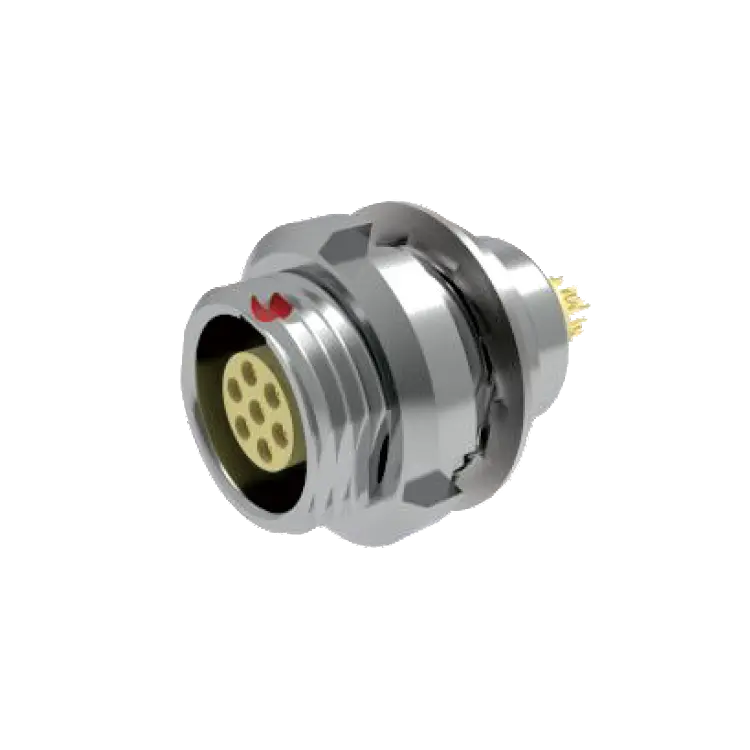

Reunion provides the M12 series industrial connector as a versatile interconnect solution for factory automation, sensors, actuators, fieldbus systems, industrial Ethernet, and power distribution. With 2–17 pin configurations, multiple coding options, IP67 protection, and options for shielding and cable assemblies, the connector family is designed for demanding industrial environments where stable electrical and mechanical connections are essential.
An M12 connector is more than a compact circular connector. Its standardized threaded interface, coding system, environmental sealing, and broad electrical configurations make it an important connection technology for modern automation equipment. The M12 series can support applications ranging from sensors and IO-Link devices to PROFIBUS, DeviceNet, CANopen, industrial Ethernet, servo systems, and DC power distribution. This guide explains the key specifications, coding options, application scenarios, selection factors, and quality considerations that engineers and purchasing teams should evaluate when choosing an M12 industrial connector.
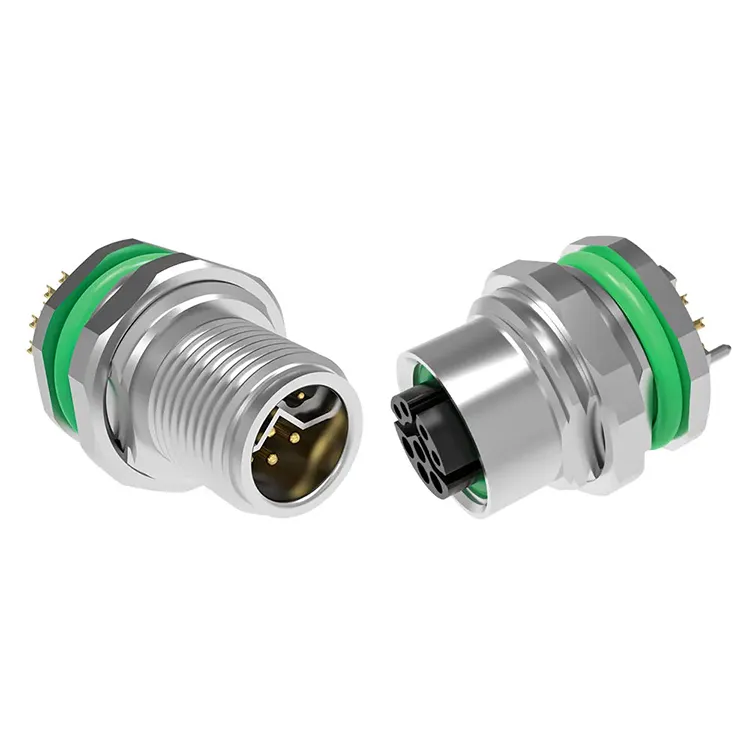
Table of Contents
Why Is the M12 Connector Widely Used in Industrial Automation?
What Are the Key Specifications of an M12 Industrial Connector?
How Do M12 Coding Options Differ?
Where Are M12 Industrial Connectors Commonly Used?
How Should You Select the Right M12 Connector?
What Quality Factors Should Buyers Check?
Frequently Asked Questions About M12 Industrial Connectors
Why Is the M12 Connector Widely Used in Industrial Automation?
Industrial equipment needs connections that remain stable despite vibration, moisture, temperature changes, dust, and frequent maintenance. The M12 format addresses these requirements with a compact circular design and threaded coupling mechanism.
For automation engineers, one of its main advantages is flexibility. Different M12 coding configurations are designed for different electrical and communication functions, helping prevent incompatible connections. The connector can therefore be integrated into sensors, actuators, control cabinets, field devices, motors, Ethernet networks, and other industrial equipment.
Reunion's product specifications indicate that its M12 series is designed according to relevant DIN EN 61076-2-101/109/111 standards and can achieve IP67 protection when mated. The product range also includes shielded and unshielded configurations, providing options for applications with different electromagnetic compatibility requirements.
For industrial users, this combination of standardized dimensions, coding choices, environmental protection, and application flexibility can simplify wiring design and maintenance.
What Are the Key Specifications of an M12 Industrial Connector?
Choosing a connector based only on its physical size can result in an unsuitable connection. Electrical ratings, coding, pin count, shielding, environmental protection, and termination method should all be considered before purchasing.
| Parameter | Typical M12 Series Range / Feature | Application Consideration |
|---|---|---|
| Pin Count | 2–17 pins depending on code | Choose according to power and signal requirements |
| Current Rating | Approximately 0.5–16A depending on code | Important for sensors, actuators, motors, and power circuits |
| Voltage Rating | Approximately 30–630V depending on configuration | Must match the equipment's operating voltage |
| Protection Rating | IP67 when mated | Suitable for many dusty, wet, and washdown environments |
| Contact Material | Brass with gold plating | Supports stable electrical contact and corrosion resistance |
| Insulator | PA66 | Provides electrical insulation within the connector |
| Contact Resistance | ≤3mΩ for the specified range | Lower resistance helps maintain electrical efficiency |
| Temperature Range | -25°C to +85°C | Check against the actual operating environment |
| Shielding | Shielded and unshielded versions | Shielding can be important in electrically noisy environments |
| Environmental Compliance | RoHS-compliant materials | Useful for projects with environmental compliance requirements |
The exact rating always depends on the selected coding and configuration. For example, the manufacturer's published specifications list higher current capabilities for S-code and L-code versions than for several signal-oriented configurations. Therefore, the connector code should be selected together with the electrical requirements rather than treated as a secondary detail.
How Do M12 Coding Options Differ?
M12 coding is one of the most important factors when selecting an industrial connector. Different keying arrangements are intended for different electrical or communication functions.
- A-code: Commonly used for sensors, actuators, IO-Link devices, and DC signal applications. Configurations can range from 2 to 17 pins.
- B-code: Commonly associated with PROFIBUS, DeviceNet, and other fieldbus applications.
- C-code: Designed for AC power applications and available in multiple pin configurations.
- D-code: Used for industrial Ethernet applications such as 100 Mbps network connections.
- X-code: Designed for higher-speed Ethernet applications and typically uses an 8-pin configuration.
- S-code: Intended for higher-current AC power and servo-related applications.
- L-code: Designed for DC power distribution and higher-current requirements.
The coding system helps reduce the possibility of connecting incompatible circuits. Engineers should confirm the connector code, pin arrangement, voltage, current, and mating interface specified by the equipment manufacturer before finalizing a component.
Where Are M12 Industrial Connectors Commonly Used?
The compact form factor and environmental protection of M12 connectors make them suitable for many industrial connection points.
Factory Automation
M12 connectors are frequently used to connect proximity sensors, photoelectric sensors, actuators, I/O modules, and control devices. Their standardized interface can simplify machine wiring and maintenance.
Industrial Ethernet
D-code and X-code configurations can be used for industrial network connections. In automated production lines, reliable Ethernet connections are important for communication between field devices, controllers, switches, and other network equipment.
Robotics and Motion Systems
Robotic equipment can expose connectors to vibration and repeated movement. A threaded coupling system provides a mechanical connection designed to resist accidental loosening under normal operating conditions.
Outdoor and Washdown Equipment
With an IP67 rating when properly mated, suitable M12 configurations can be used in environments where equipment may encounter water, dust, or routine cleaning processes. Correct installation and sealing remain essential to achieving the specified protection level.
Power Distribution
S-code and L-code options expand the M12 platform beyond low-power signals. Depending on the selected configuration, the series can support higher-current AC or DC power connections for industrial equipment.
How Should You Select the Right M12 Connector?
A systematic selection process can help avoid compatibility problems and unnecessary replacement costs. Before placing an order, evaluate the following factors:
- Identify the application: Determine whether the connection is intended for sensors, data communication, power, motors, or mixed functions.
- Confirm the coding: Select A, B, C, D, X, S, L, or another applicable configuration based on the equipment interface.
- Check pin requirements: Make sure the number of contacts is sufficient for all required power and signal circuits.
- Verify electrical ratings: Compare the connector's voltage and current ratings with the actual system requirements.
- Evaluate environmental conditions: Consider water, dust, chemicals, vibration, temperature, and outdoor exposure.
- Determine shielding requirements: Shielded versions can be considered where electromagnetic interference may affect signal integrity.
- Select the termination: Depending on the equipment structure, options may include solder, dip-solder, crimp, or flying-lead terminations.
- Confirm cable requirements: Cable material, length, flexibility, bending radius, and connector orientation should match the installation environment.
For projects involving multiple connector types, it is also useful to prepare a connection schedule showing the device, connector code, pin count, electrical function, cable specification, and mating interface. This provides a practical reference for procurement and production teams.
What Quality Factors Should Buyers Check?
Industrial connector quality is closely related to long-term connection stability. A product may look similar externally while having significant differences in contact materials, plating, sealing, assembly consistency, and electrical inspection.
Reunion states that its M12 series uses brass contacts with gold plating, PA66 insulators, and a stated contact resistance of no more than 3mΩ. The manufacturer also describes 100% electrical testing for every unit and batch-level IP67 immersion verification. Its published quality information further lists ISO 9001:2015, ISO 14001:2015, ISO 13485:2016, and RoHS compliance within its quality and compliance framework.
For procurement teams, the following quality checkpoints are particularly useful:
- Material and plating specifications
- Contact resistance and insulation performance
- IP protection verification
- Mechanical mating-cycle requirements
- Shielding performance where applicable
- Electrical testing procedures
- Batch traceability and inspection documentation
- Consistency of cable assembly and termination
These factors provide a more complete basis for evaluating an industrial connector than unit price alone. For OEM and volume projects, engineering support, customization capability, production traceability, and delivery consistency can also influence the total procurement value.
Frequently Asked Questions About M12 Industrial Connectors
What is an M12 series industrial connector?
An M12 series industrial connector is a compact circular connector with a nominal 12 mm threaded interface. It is widely used for industrial sensors, actuators, automation equipment, communication networks, and power connections. Different coding and pin configurations allow the same general connector platform to serve different applications.
Is an M12 connector waterproof?
Suitable M12 configurations can achieve IP67 protection when properly mated. This means the specified product can provide protection against dust ingress and temporary water immersion under defined test conditions. Actual performance depends on correct mating, sealing components, installation, and product configuration.
What is the difference between A-code and D-code M12 connectors?
A-code M12 connectors are commonly used for sensors, actuators, IO-Link, and general signal or DC applications, while D-code versions are primarily designed for industrial Ethernet applications. The coding prevents the wrong connector type from being accidentally mated.
Can M12 connectors carry both power and data?
Yes, depending on the configuration. Certain A-code arrangements can combine power and signal functions, while applications requiring higher power and separate data communication can use different M12 codes for their respective circuits.
How do I choose the correct M12 connector for my machine?
Start with the device interface and identify the required coding, pin count, voltage, current, communication protocol, shielding, protection rating, cable type, and termination method. If the connector is a replacement component, matching the original part number or equipment drawing is also recommended.
Conclusion
The M12 series industrial connector provides a standardized and adaptable connection solution for modern automation systems. Its range of coding options, pin configurations, electrical ratings, shielding choices, and IP67 protection allows it to support everything from sensors and IO-Link devices to industrial Ethernet and higher-current power applications. For OEMs, system integrators, and industrial equipment manufacturers, selecting the connector according to the complete electrical and environmental specification is essential for dependable field performance. If you need help selecting a suitable configuration, customized cable assembly, or volume solution for your application, contact us to discuss your requirements with Reunion's engineering and production team.