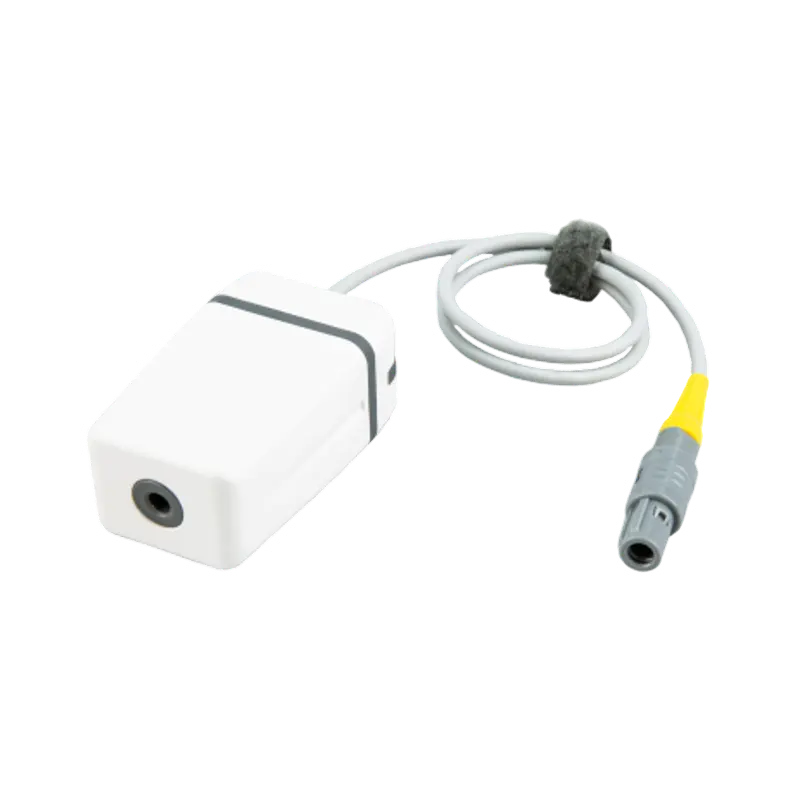
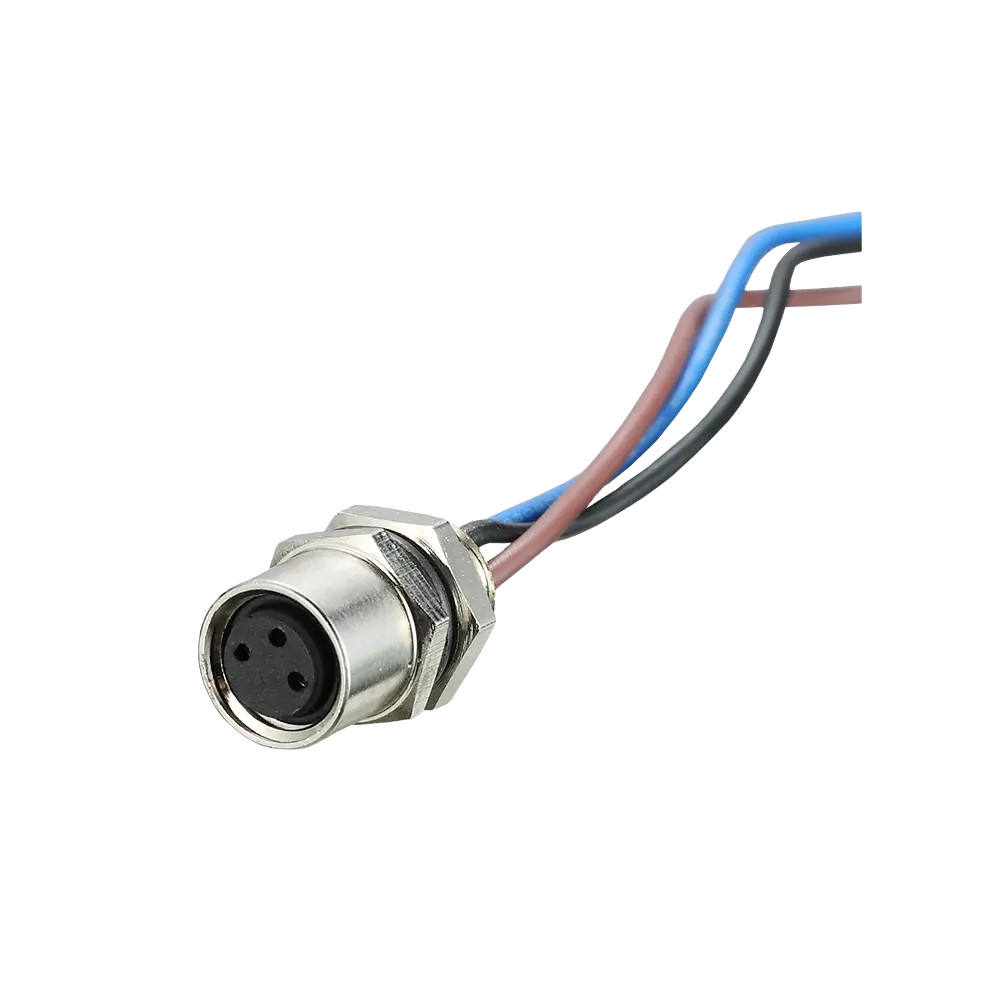
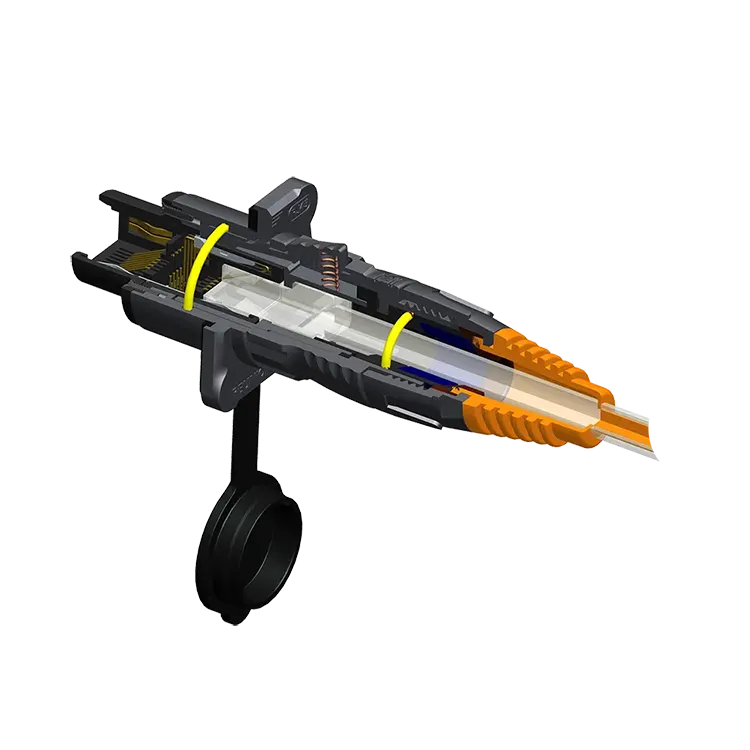
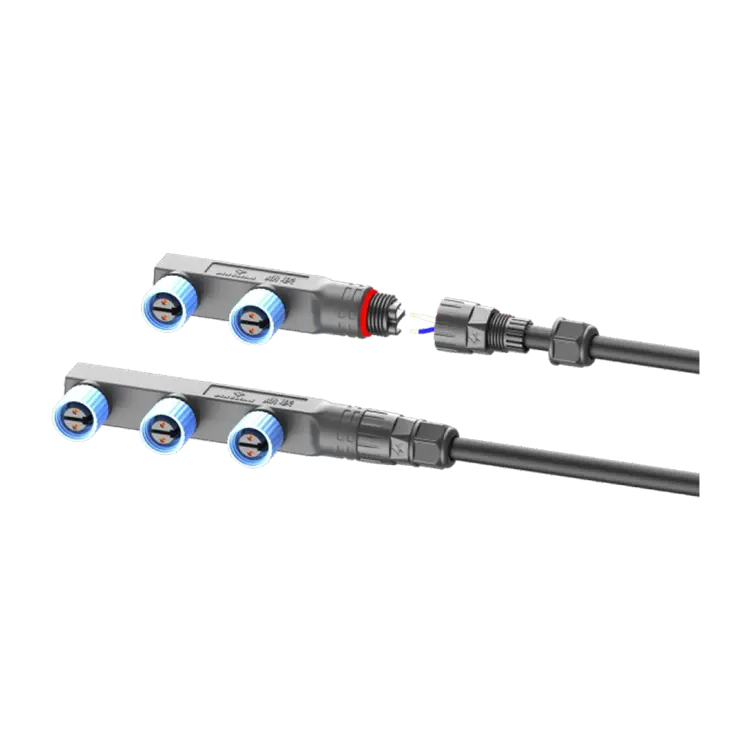
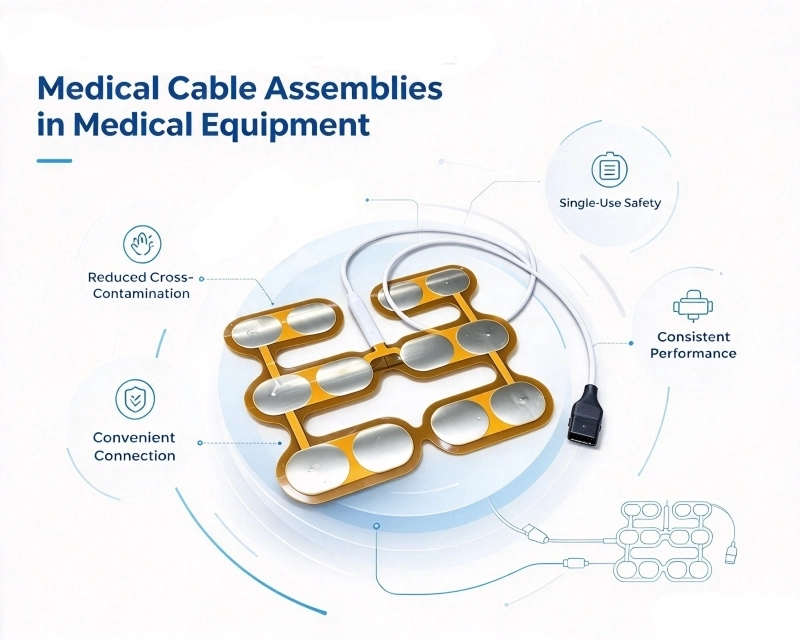
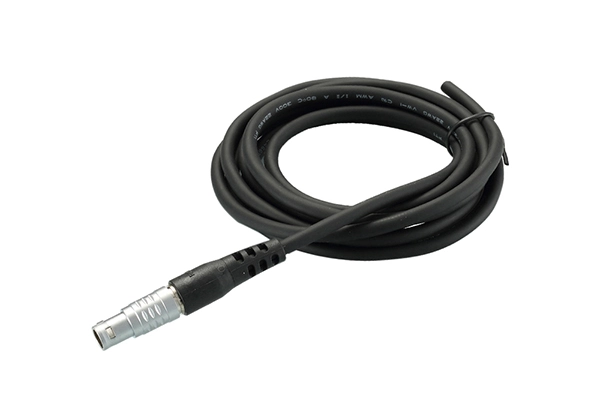
When designing reliable equipment for the medical, industrial, or robotics sectors, engineers often face a common challenge: how to ensure that connections are both easy to operate and resistant to accidental disconnection under complex operating conditions. For scenarios requiring frequent mating and high safety standards, push-pull connectors are a common solution. However, selecting the appropriate model requires careful evaluation based on the specific operating environment. The following are several key considerations.
1. Mechanical Reliability and Locking Mechanisms
A primary advantage of push-pull connectors lies in their self-locking design. When evaluating this factor, it is important to consider mating cycle life and vibration resistance. For applications involving continuous motion or patient movement, a secure locking mechanism is essential for preventing accidental disconnection, and products featuring secondary locking or sturdy latch designs should be prioritized.
2. Electrical and Signal Performance
Determine the required number of pins, current-carrying capacity, and rated voltage. Devices that transmit both power and signals are typically better suited for hybrid connectors. Additionally, for high-speed data transmission or medical signals, verify that the connector provides 360° electromagnetic shielding and controlled impedance to maintain signal integrity.
3. Environmental Protection and Sterilization Requirements
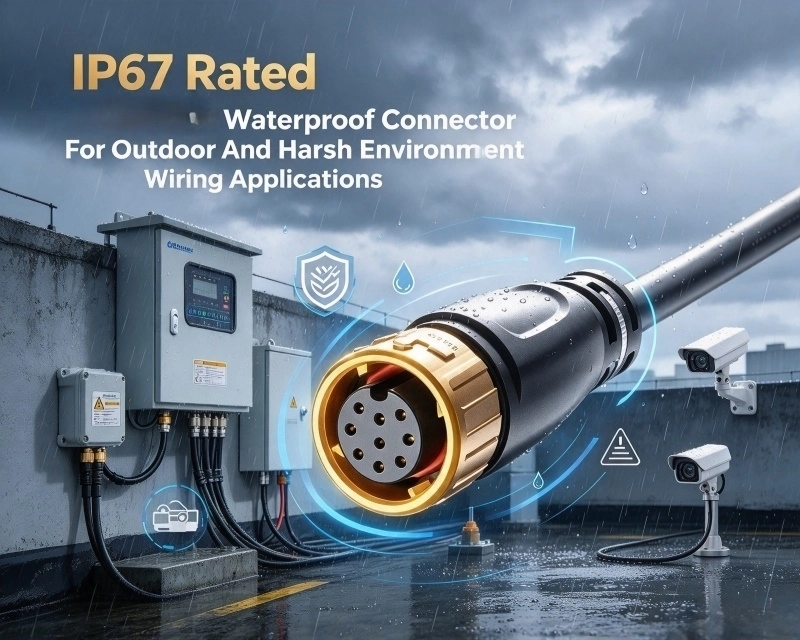
The IP protection rating is a key indicator of water and dust resistance. For reusable medical devices, the connector housing material must be able to withstand repeated sterilization cycles (such as autoclaving at 134 °C). High-temperature engineering plastics, such as PEI or PSU, are typically used to maintain structural integrity and electrical performance.
4. Ergonomics and Misinsertion Prevention Design
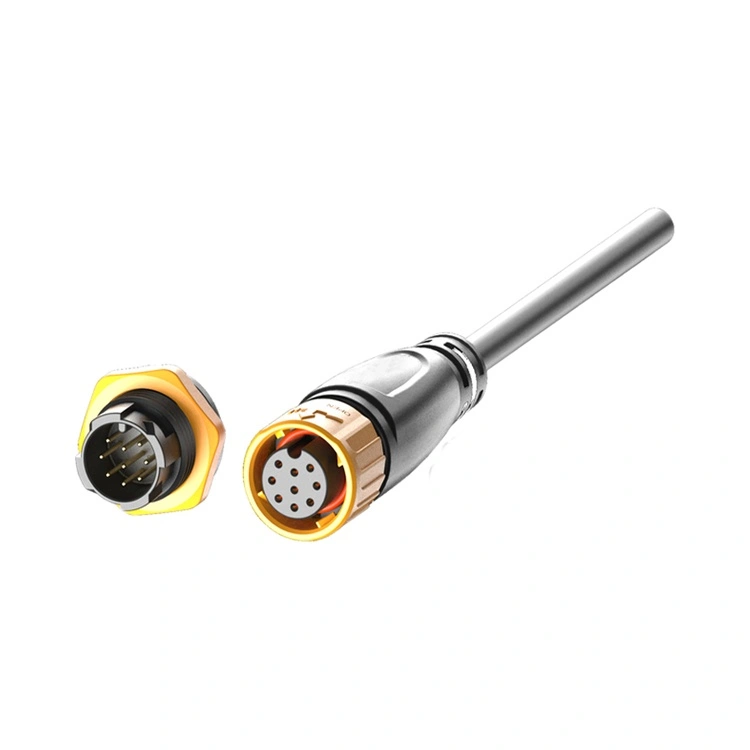
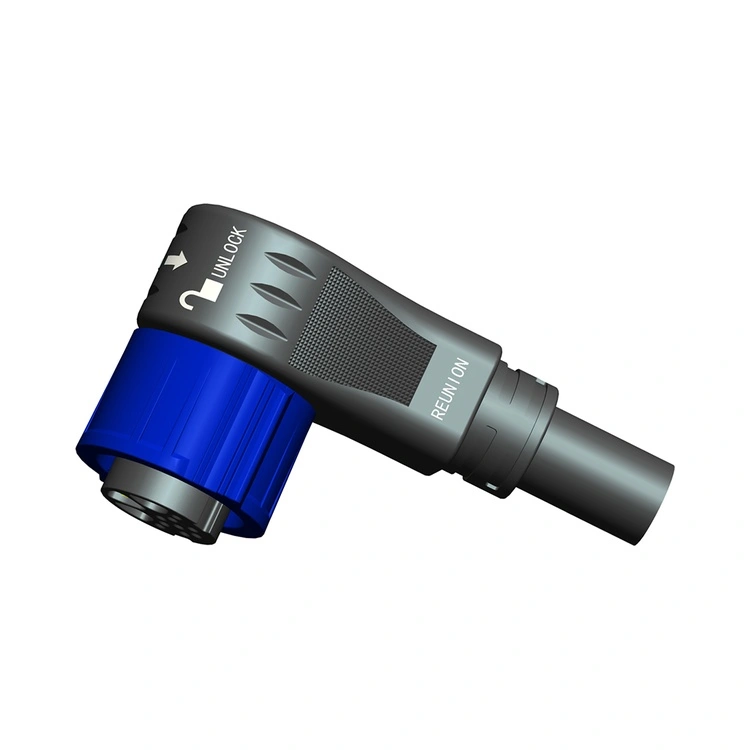
In clinical or industrial settings, operators often have to work with one hand or have their line of sight obstructed. Visual and mechanical cues (such as color-coded rings and distinct positioning pins) can help reduce the risk of misinsertion between multiple device ports.
How Reunion Addresses These Factors?
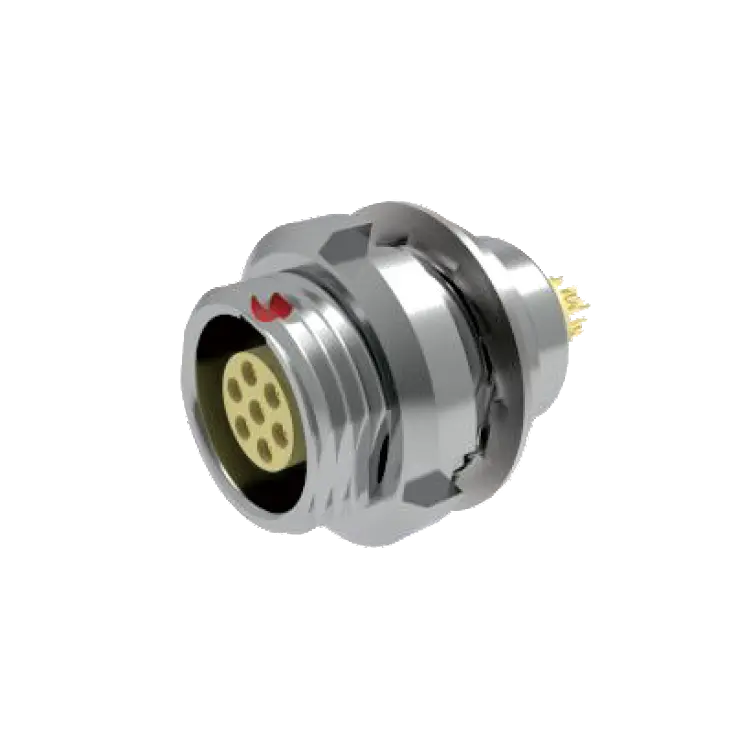
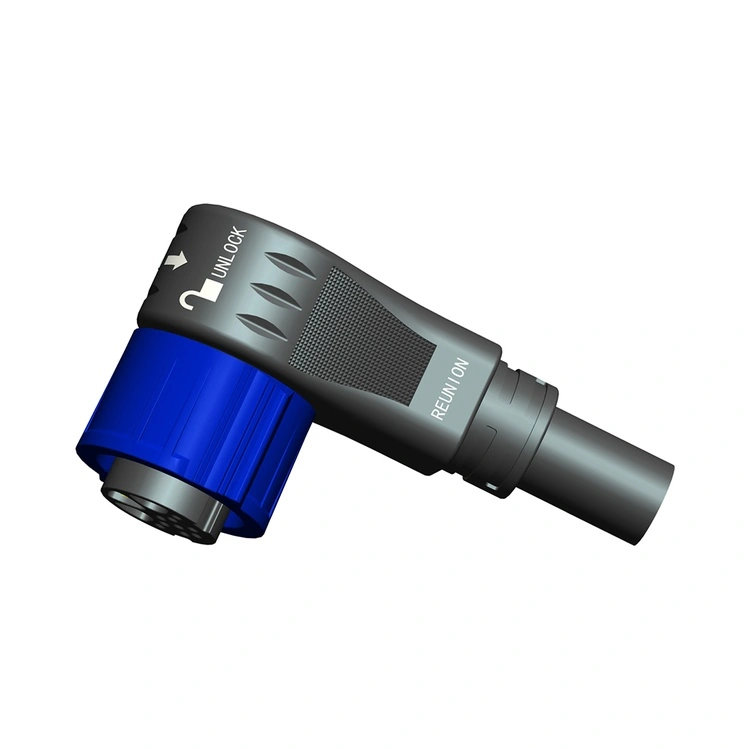
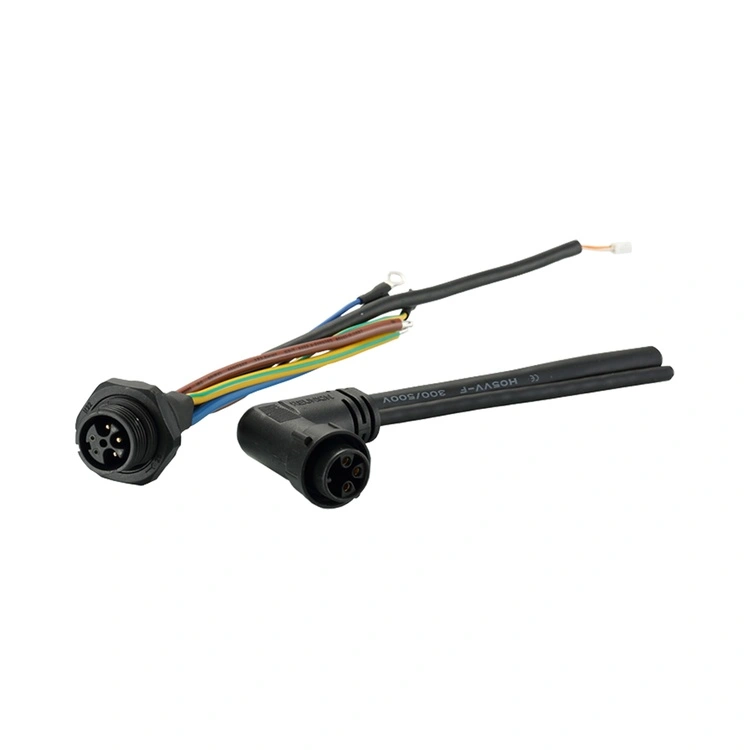
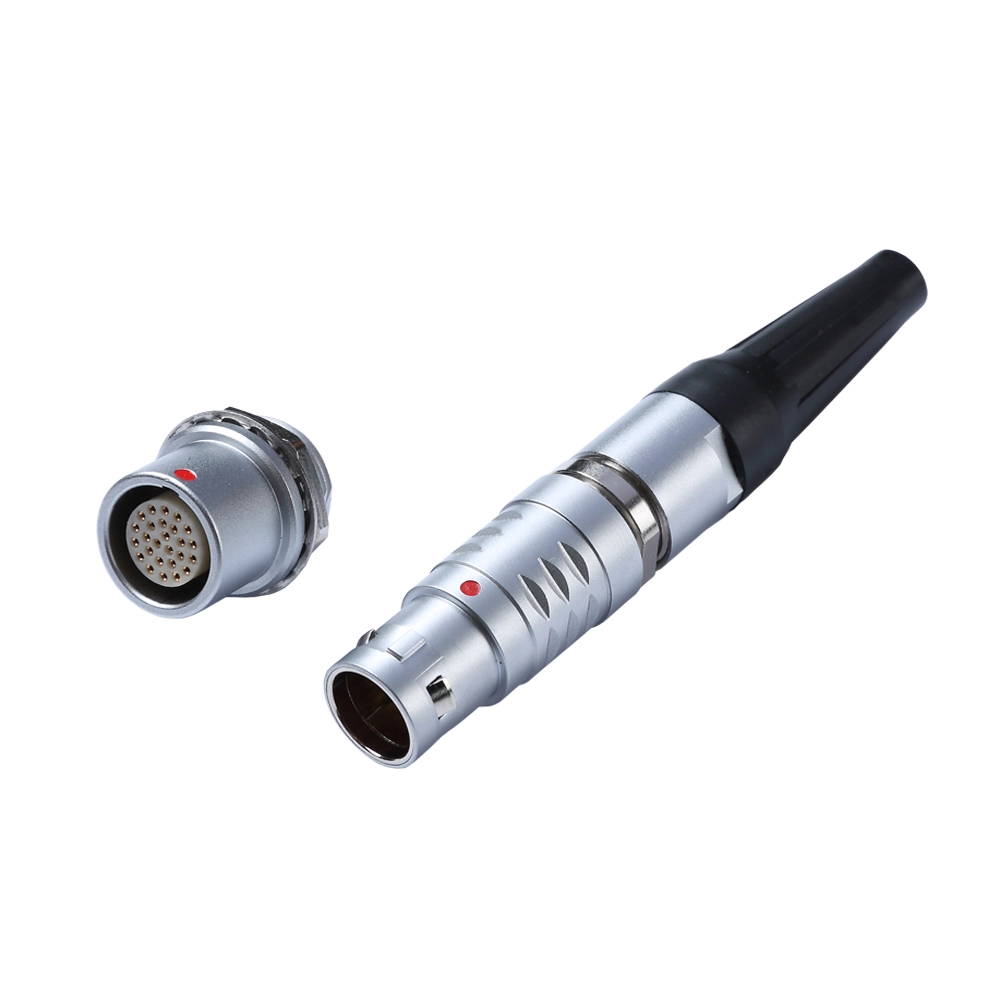
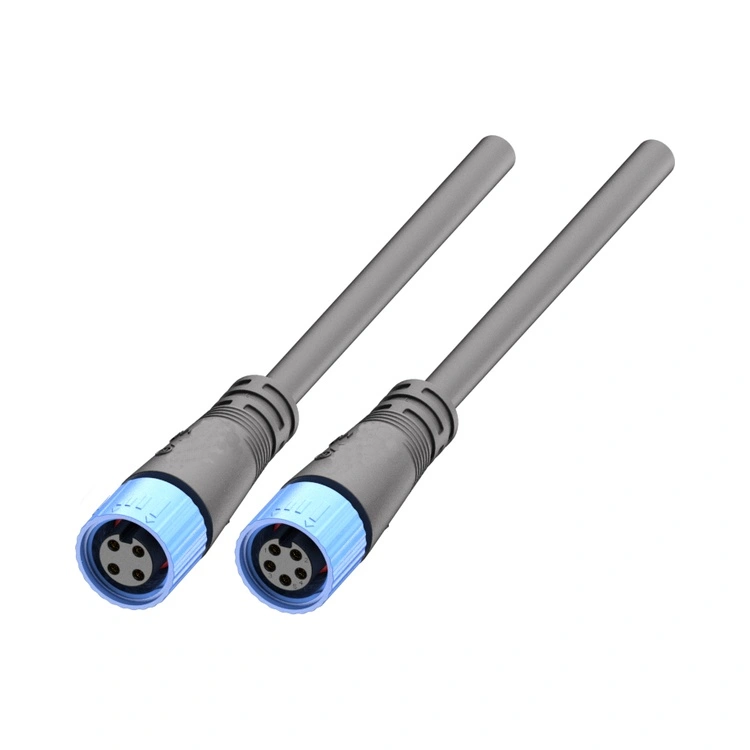
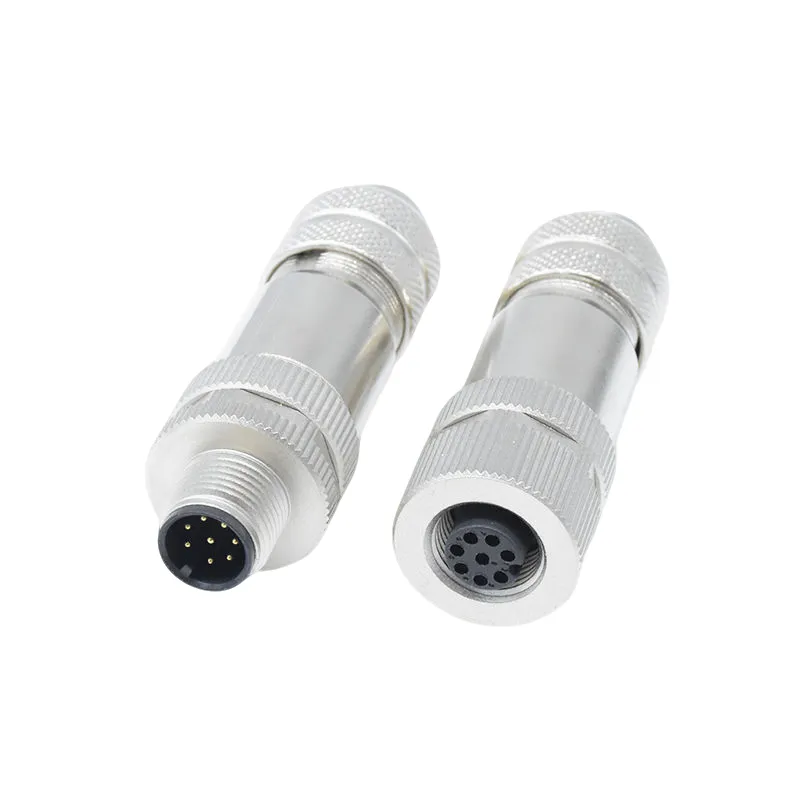
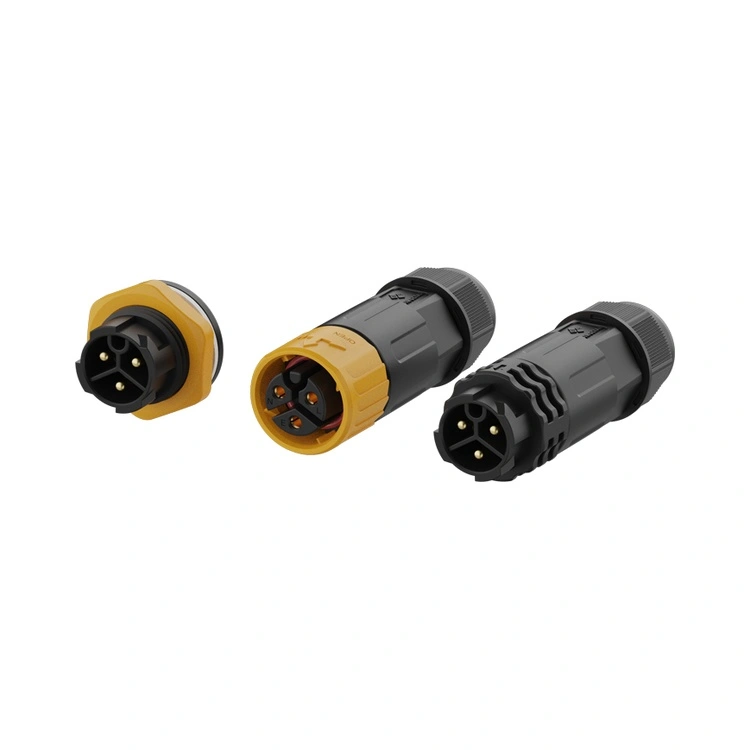
Reunion provides push-pull connector solutions tailored for a variety of demanding scenarios. The K-Series metal connectors offer an IP67 protection rating, 360° shielding options, and configurations ranging from 2 to 32 poles, making them suitable for mixed power and signal applications. The P-Series plastic connectors offer IP50 and IP65 protection rating options. They feature a dual-leaf spring locking mechanism and provide color-coding options for easy identification.
By matching electrical, mechanical, and environmental requirements with the appropriate connector configurations, equipment manufacturers can help ensure that their end products deliver consistent performance.
We use cookies to offer you a better browsing experience, analyze site traffic and personalize content. By using this site, you agree to our use of cookies. Privacy Policy