Shenzhen Reunion Electronics Co.,Ltd.
News

How Can a Medical Cable Assembly Improve the Reliability and Performance of Medical Devices

2026-10-28 0 Leave me a message

Article Summary: A reliable Medical Cable Assembly is essential for transmitting power and signals between medical devices, sensors, probes, and monitoring equipment. From connector selection and cable flexibility to shielding, material compatibility, and quality inspection, every design detail can influence equipment performance. Reunion provides connector and cable assembly solutions, including customization support for medical and other demanding applications. This guide explains the key design considerations, applications, quality requirements, and sourcing questions medical equipment manufacturers should evaluate before choosing a cable assembly supplier.

Medical Cable Assembly

Table of Contents

  1. What Is a Medical Cable Assembly?
  2. Why Does Medical Cable Assembly Quality Matter?
  3. What Are the Common Applications?
  4. Which Design Factors Should Buyers Consider?
  5. How Do Materials and Connectors Affect Performance?
  6. What Quality Checks Should Be Performed?
  7. How Can You Choose the Right Supplier?
  8. Frequently Asked Questions
  9. Conclusion

What Is a Medical Cable Assembly?

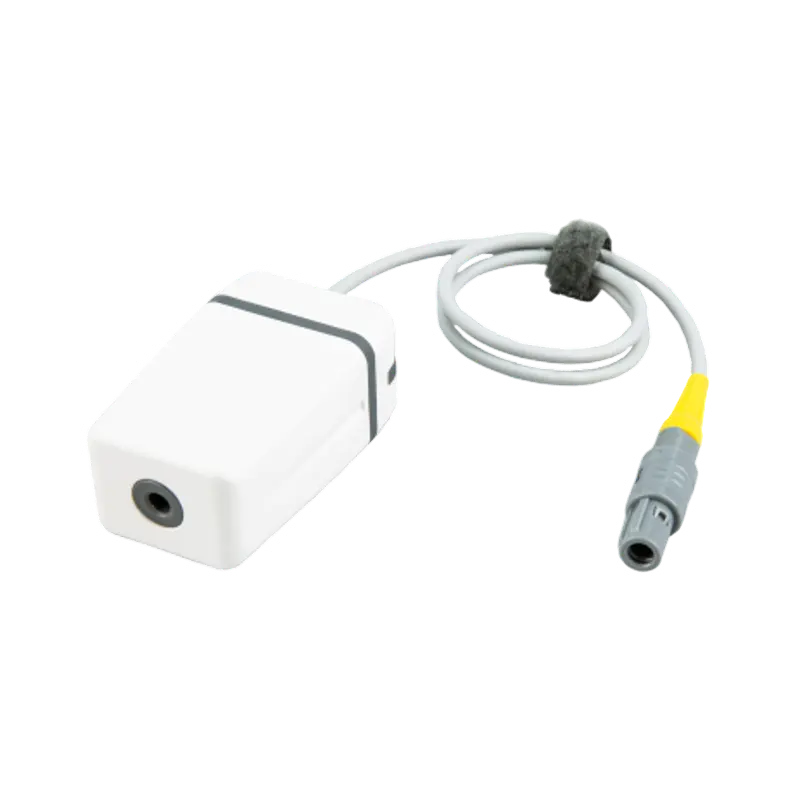
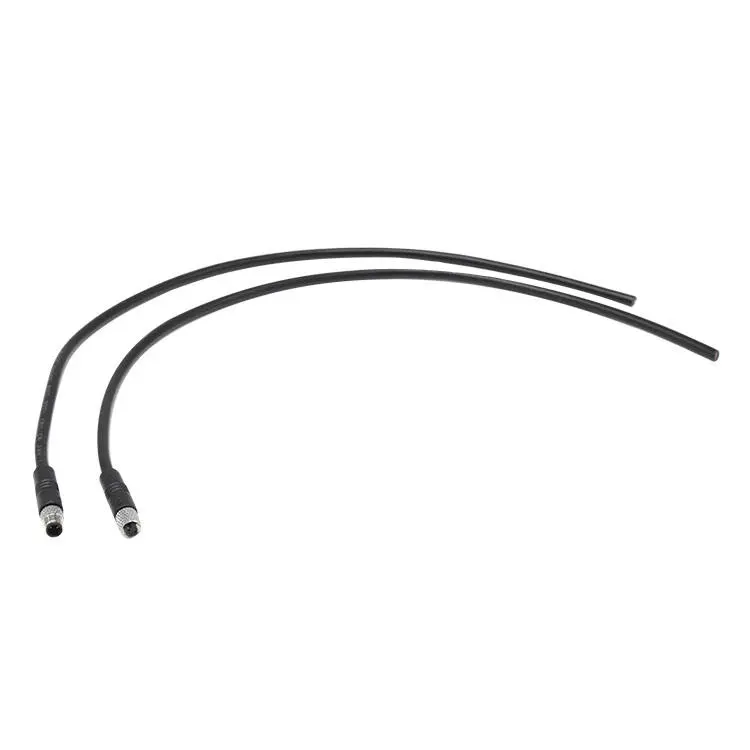
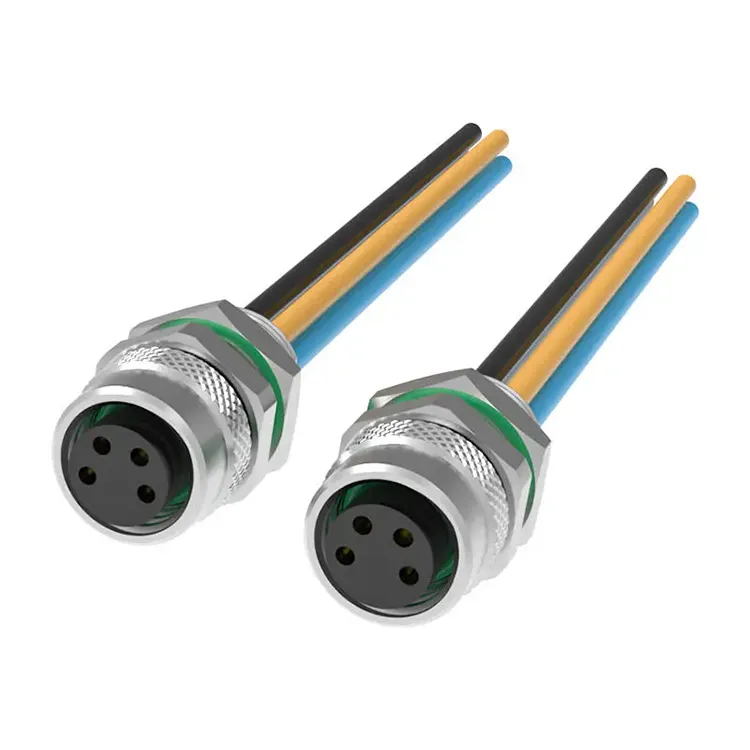
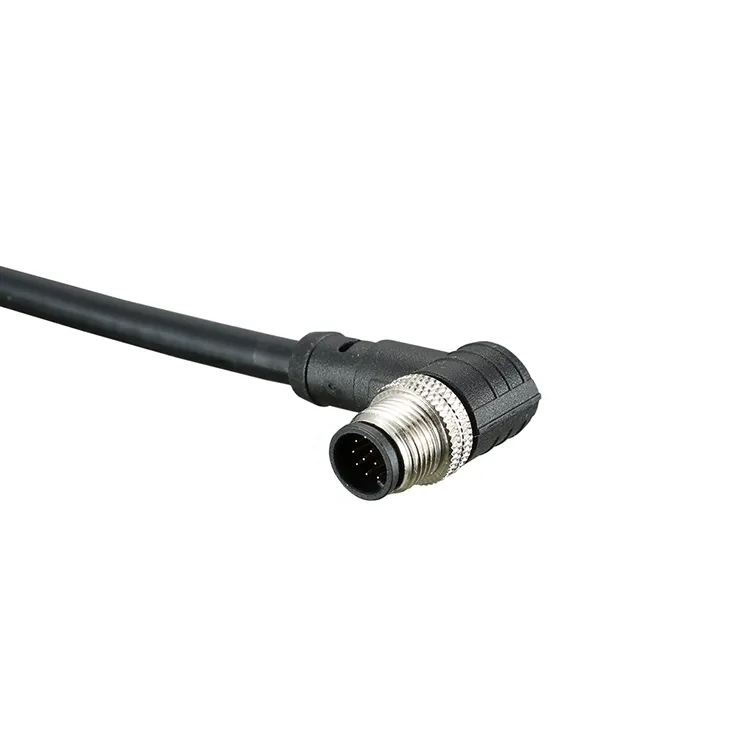
A Medical Cable Assembly is an integrated electrical connection solution that combines one or more cables with connectors, terminals, shielding, insulation, and other components to meet the requirements of medical equipment. Depending on its intended application, it may transmit electrical power, sensor signals, control data, or other forms of information between device components.

Unlike a generic cable, a medical cable assembly must be designed around the operating environment and functional requirements of the target equipment. These requirements can include repeated bending, connector mating cycles, cleaning procedures, electromagnetic compatibility, and reliable signal transmission.

As a connector and cable assembly supplier, Reunion's Medical Cable Assembly solutions can be considered when equipment manufacturers need to evaluate connector integration and customized interconnection requirements.

A typical assembly may contain:

  • Conductors: Carry electrical power or signals between connected components.
  • Insulation and cable jackets: Separate conductors and protect the cable from mechanical wear and environmental exposure.
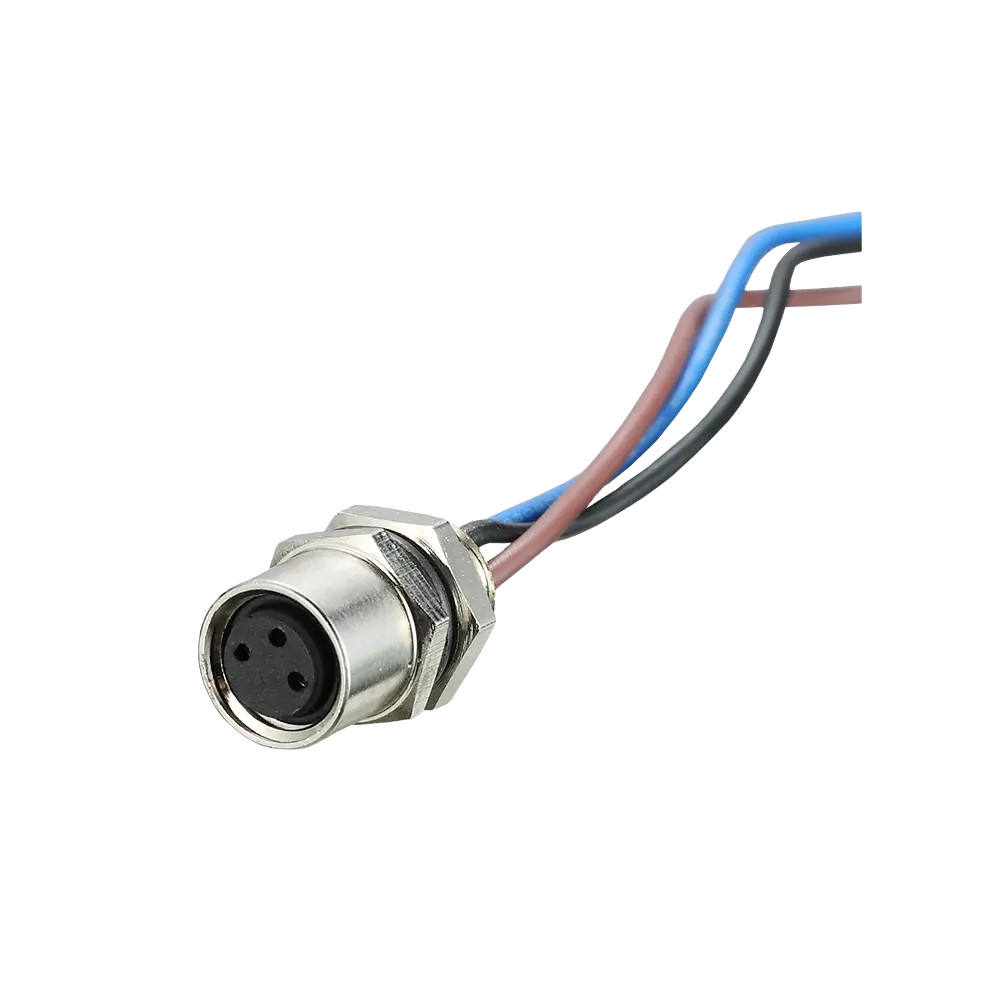
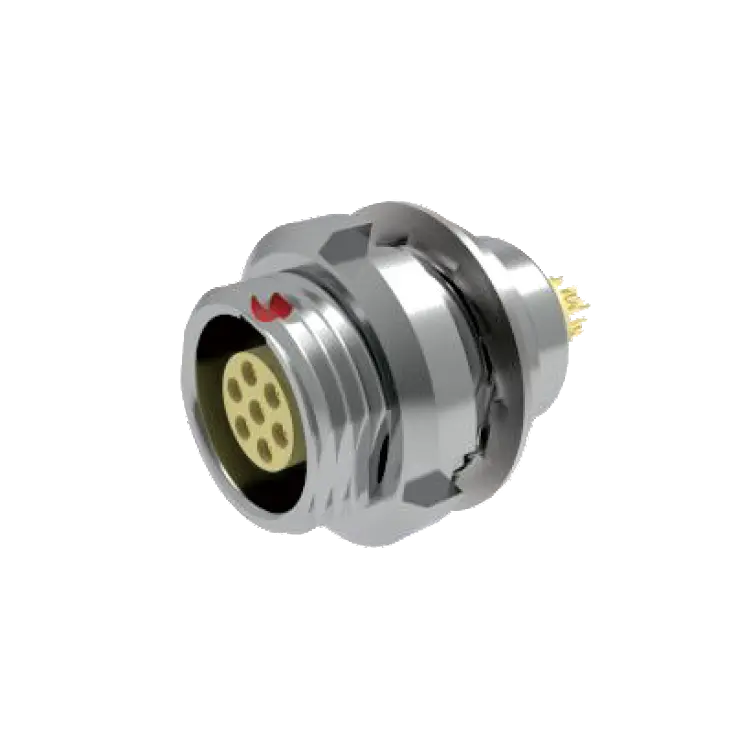
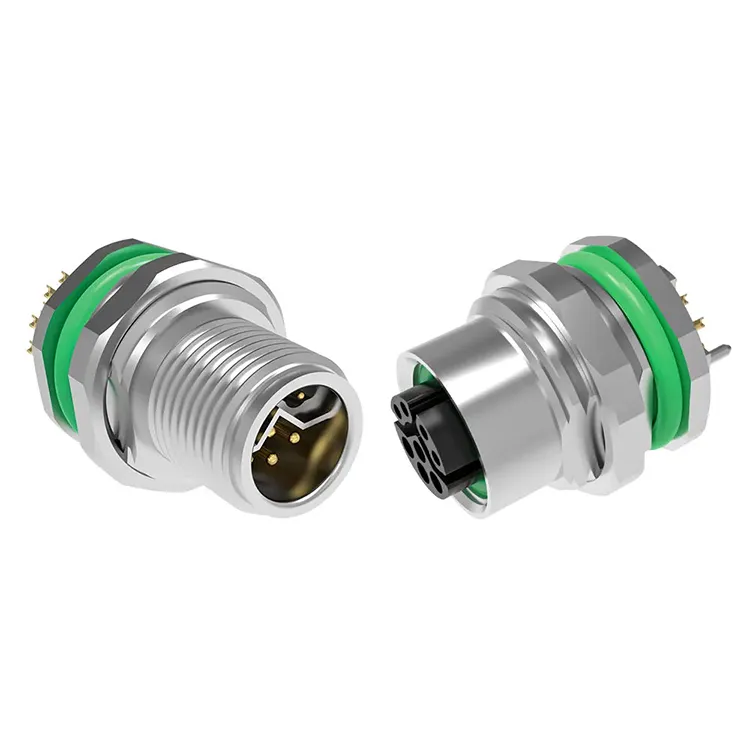
  • Connectors: Provide the required electrical interface between the cable and medical equipment.
  • Shielding: Helps control electromagnetic interference when required by the application.
  • Strain relief: Reduces stress at cable entry points and connector terminations.

The final configuration depends on the equipment design, applicable standards, and the manufacturer's performance requirements.


Why Does Medical Cable Assembly Quality Matter?

Medical equipment depends on consistent connections to operate as intended. A poorly selected cable, incompatible connector, or weak termination can contribute to intermittent signals, unexpected disconnections, equipment downtime, or premature component replacement.

For equipment manufacturers, cable assembly quality influences several practical considerations.

  • Signal integrity: Appropriate conductors, shielding, and connector interfaces help maintain signal quality under specified operating conditions.
  • Mechanical reliability: Suitable cable construction and strain relief help manage bending, pulling, and routine handling.
  • Equipment integration: Correct pin assignments, connector dimensions, and cable lengths simplify assembly and servicing.
  • Maintenance planning: Consistent construction and documented inspection procedures can help reduce avoidable connection-related failures.
  • User experience: Flexible cables and practical connector designs can make equipment easier to position, connect, and maintain.

These benefits depend on proper engineering, manufacturing controls, verification, and use within the assembly's specified limits. A cable assembly alone cannot guarantee the safety or clinical performance of the complete medical device.


What Are the Common Applications of Medical Cable Assembly Products?

Medical cable assemblies serve different functions depending on the type of equipment and the signals or power they must carry. Selecting an assembly should begin with a clear understanding of the application rather than the connector appearance alone.

Application Typical Cable Function Important Design Considerations
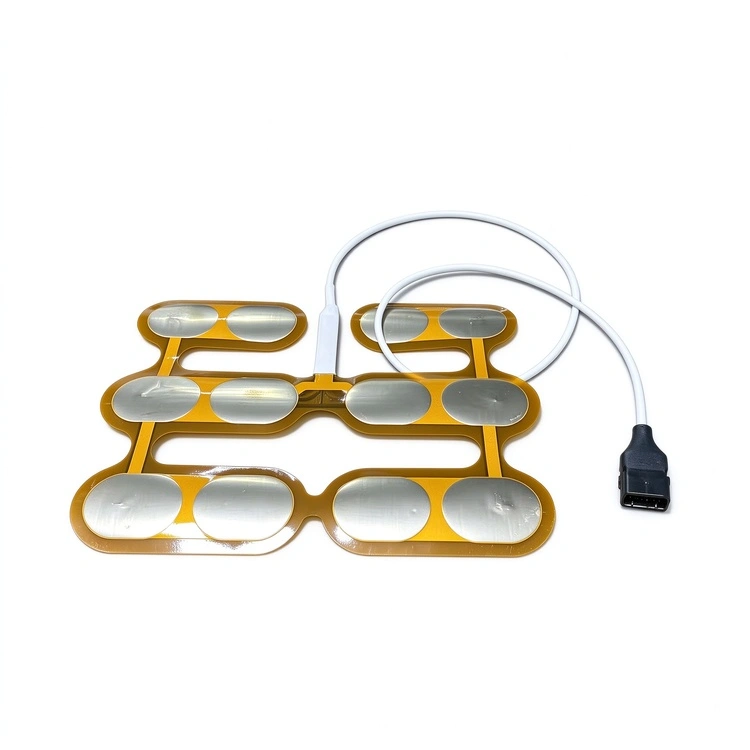
Patient monitoring equipment Connects sensors and monitoring modules Signal integrity, flexibility, connector retention
Ultrasound equipment Supports connections between probes and equipment Signal requirements, bending performance, shielding
Diagnostic instruments Transmits measurement signals and power Electrical compatibility, noise control, stable connections
Surgical and treatment equipment Connects control modules and compatible accessories Mechanical durability, cleaning compatibility, correct interface
Medical power systems Transfers electrical power between components Current rating, insulation, temperature rise, applicable safety requirements

These are representative application categories, not a claim that one cable assembly is suitable for every device listed. Each design must be validated for its intended use, operating environment, and applicable regulatory requirements.


Which Design Factors Should Buyers Consider?

Before requesting a quotation for a Medical Cable Assembly, engineering and procurement teams should define the technical requirements together. Clear specifications help reduce design revisions, compatibility problems, and unnecessary costs.

1. Electrical Requirements

Document the required voltage, current, conductor configuration, signal frequency, impedance where relevant, and electrical isolation requirements. For sensitive analog or high-speed signals, the cable structure and connector interface may require additional engineering evaluation.

2. Cable Length and Routing

Determine the required cable length, routing path, bend radius, and available installation space. Excessively short cables can restrict equipment movement, while unnecessary length can complicate cable management and increase handling risks.

3. Connector Type and Pin Assignment

Specify connector series, contact count, gender, termination method, locking mechanism, and pinout. A mechanically compatible connector is not necessarily electrically compatible, so drawings and interface specifications should be checked carefully.

4. Environmental and Mechanical Conditions

Consider the expected temperature range, moisture exposure, vibration, abrasion, cleaning agents, and frequency of movement. The selected cable jacket, connector materials, and sealing structure should suit the actual environment.

5. Customization Requirements

Custom assemblies may involve special cable lengths, connector combinations, wire colors, shielding, overmolding, or strain relief. Providing complete requirements early helps the supplier assess feasibility and identify potential design improvements.

A useful specification package should include:

  • Electrical schematic and connector pinout.
  • Mechanical drawings and dimensional tolerances.
  • Required cable length, conductor size, and jacket material.
  • Operating and cleaning environment.
  • Applicable regulatory, verification, and traceability requirements.
  • Prototype quantity, expected production volume, and delivery schedule.

How Do Materials and Connectors Affect Performance?

Material selection influences flexibility, abrasion resistance, chemical compatibility, insulation performance, and long-term mechanical behavior. The best option depends on the intended use and must be confirmed against relevant technical data.

Component or Material Potential Advantages What to Verify
PVC cable jacket Can provide a practical, cost-conscious insulation solution Flexibility, temperature limits, cleaning compatibility
Silicone cable jacket Can offer flexibility over a broad temperature range Tear resistance, chemical compatibility, application suitability
Polyurethane jacket May provide useful abrasion and wear resistance Hydrolysis resistance, flexibility, cleaning exposure
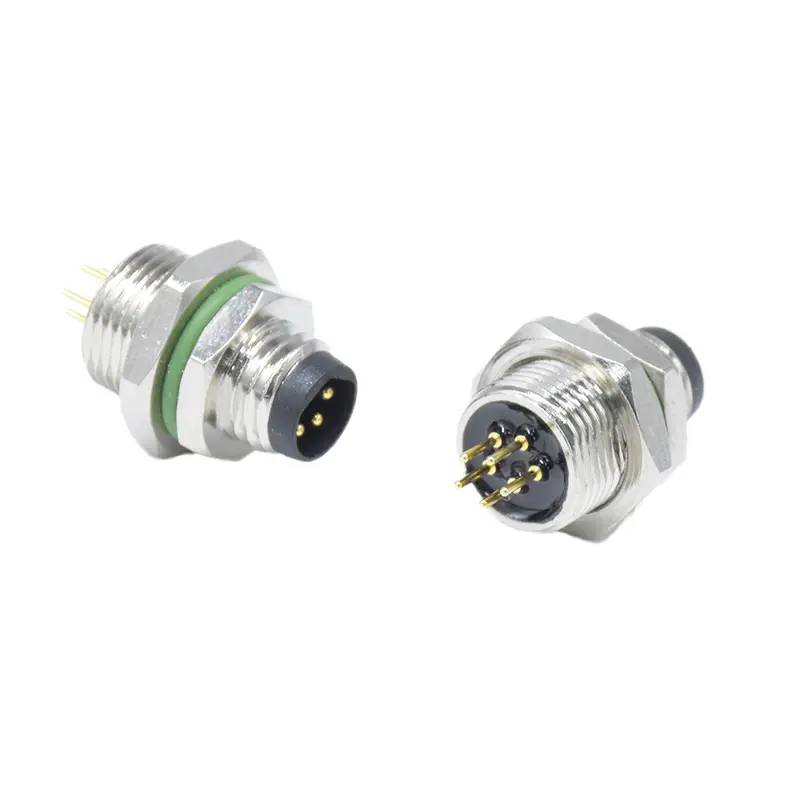
Metal circular connector Can offer a robust mechanical interface Contact configuration, corrosion resistance, locking mechanism
Plastic connector Can reduce weight and support specific insulation requirements Mechanical strength, temperature rating, chemical compatibility

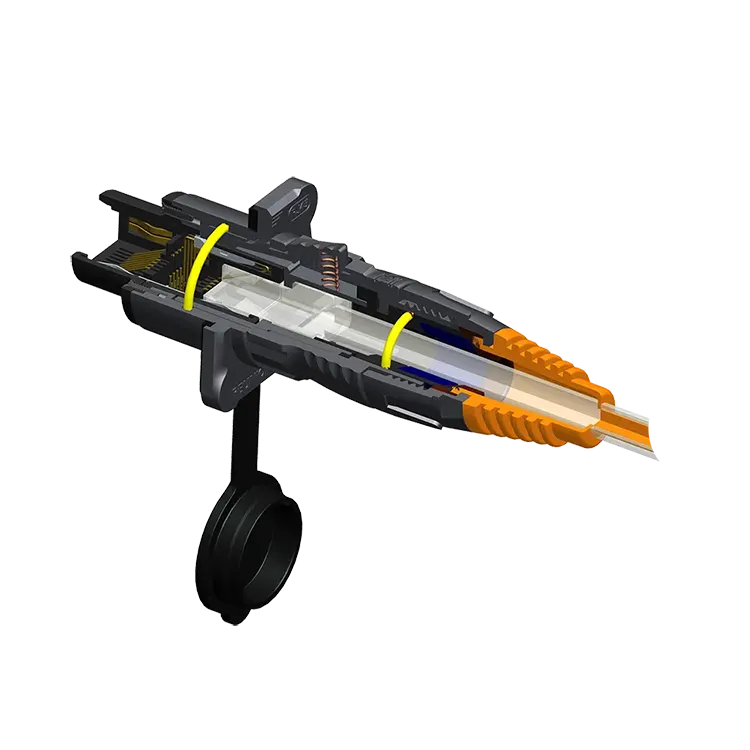
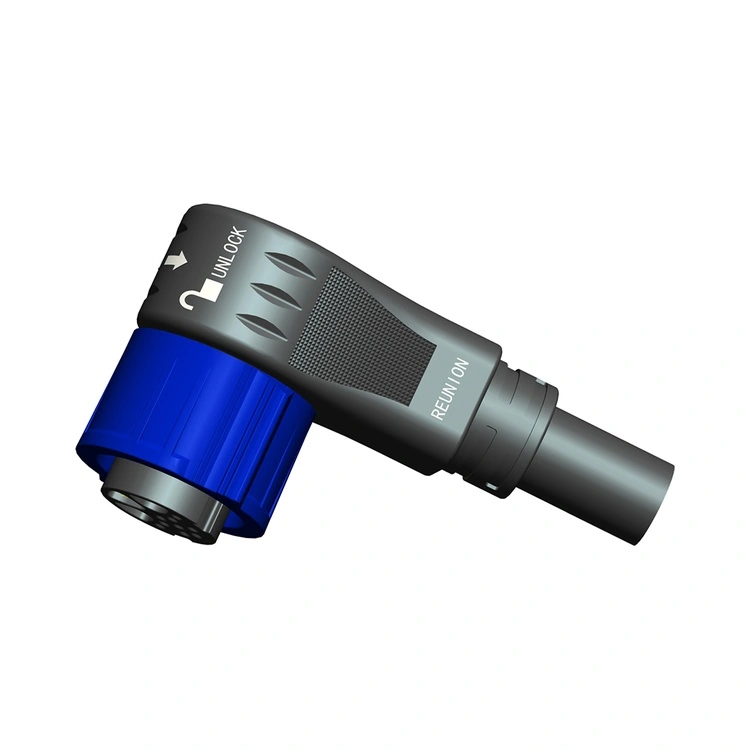
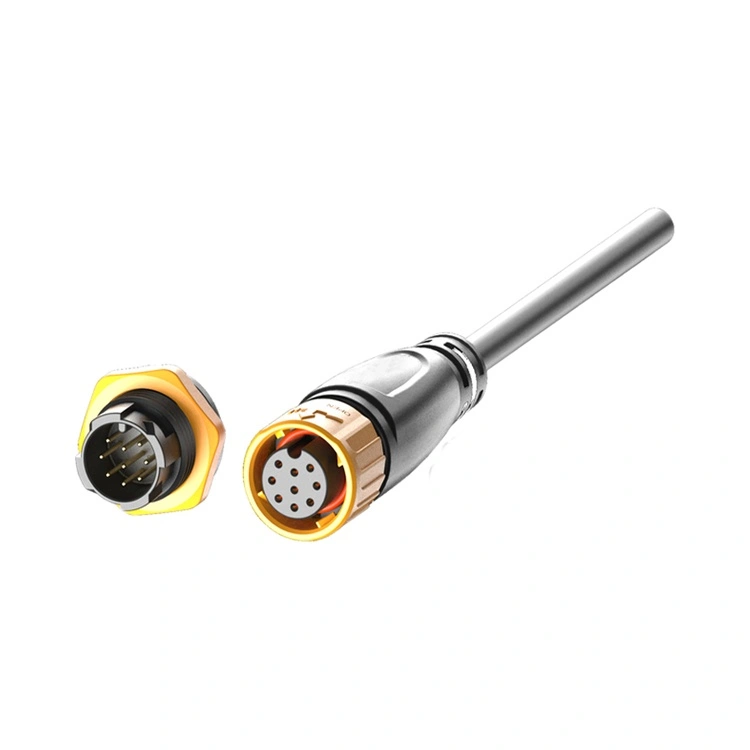
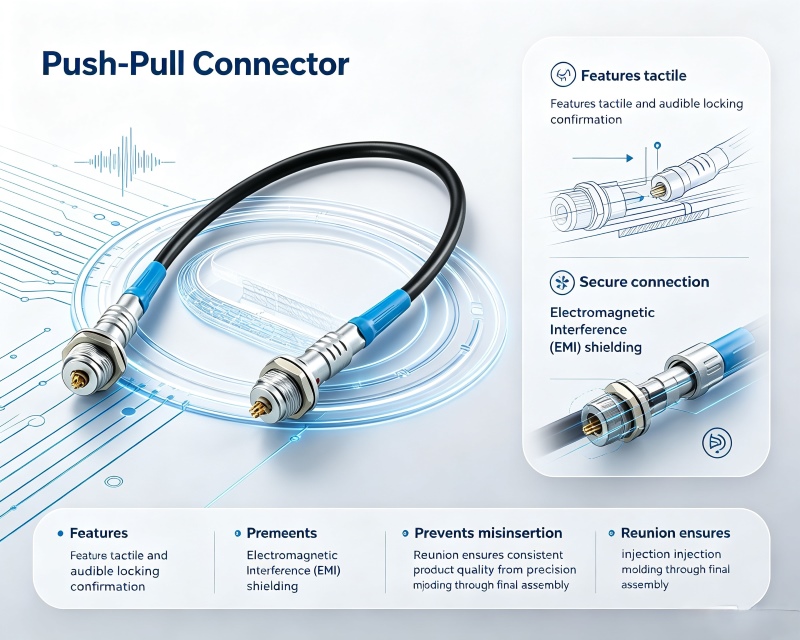
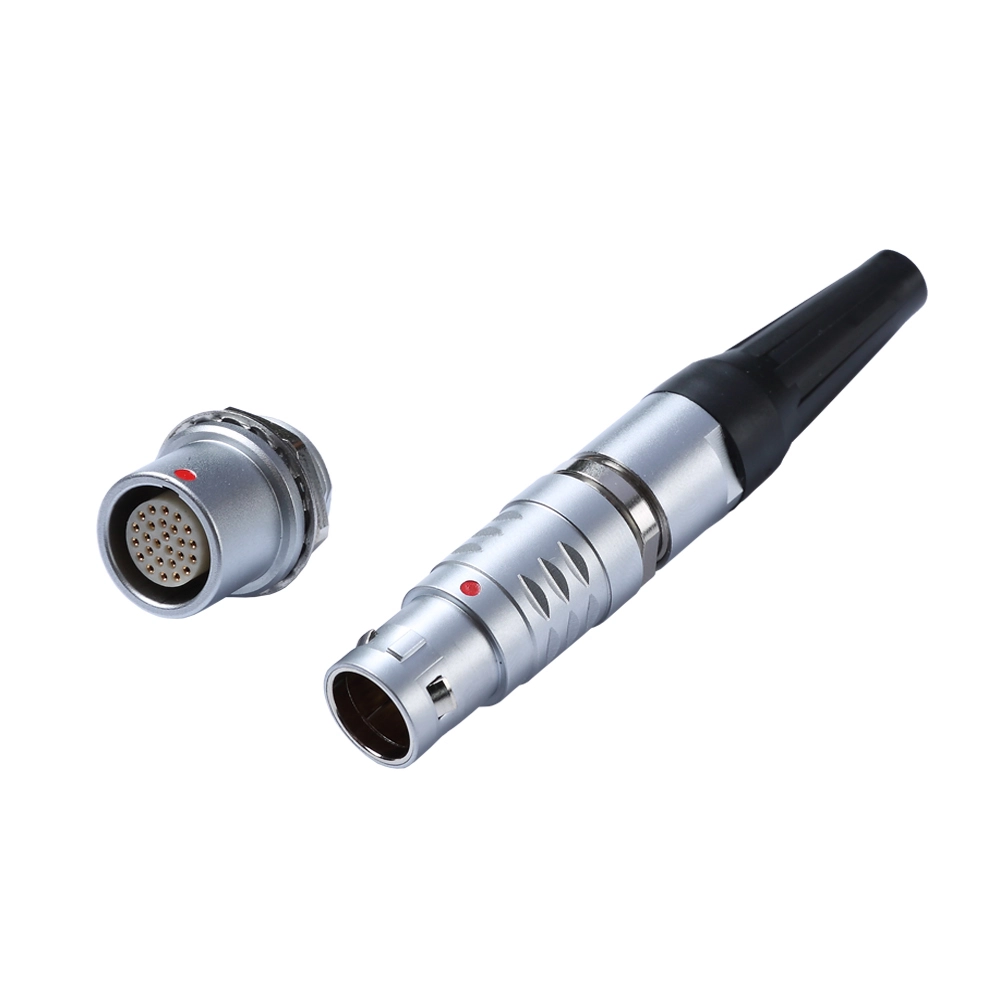
Shielded cable structures may be appropriate when electromagnetic interference could affect sensitive signals. Connector selection also matters: push-pull locking connectors, for example, can support quick connection and disconnection when their electrical and mechanical specifications match the equipment interface.

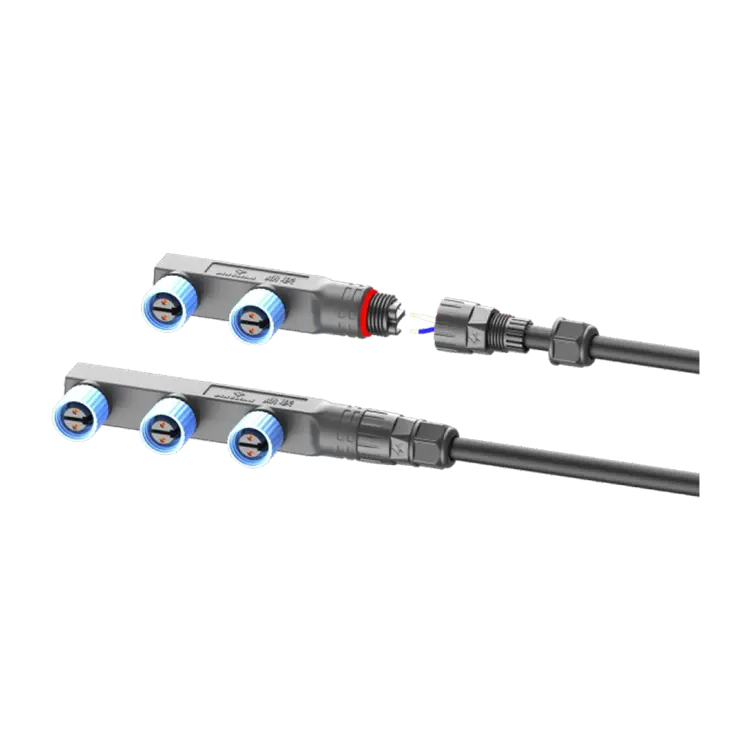
Reunion develops and manufactures electrical connectors and cable assemblies for multiple industries, including medical applications. Buyers can review its medical cable assembly product information and discuss project-specific connector and integration requirements with the company.


What Quality Checks Should Be Performed on a Medical Cable Assembly?

Quality verification should be planned according to the design specification, intended application, risk assessment, and applicable standards. Visual inspection alone is not sufficient to demonstrate electrical or mechanical performance.

Depending on the product, a quality plan may include the following checks:

  • Visual inspection: Examine cable jackets, connector housings, contact alignment, labeling, and workmanship.
  • Continuity testing: Confirm that the intended electrical paths are connected correctly.
  • Short-circuit testing: Check for unintended connections between conductors or contacts.
  • Insulation and dielectric testing: Perform applicable tests using the specified methods and acceptance criteria.
  • Mechanical verification: Evaluate connector retention, strain relief, and other specified mechanical characteristics.
  • Functional testing: Confirm that the assembly operates as intended within the defined test setup.
  • Documentation review: Verify material identification, inspection records, revisions, and traceability requirements where applicable.

Testing methods and acceptance limits should be defined before production. Dielectric, insulation, and other electrical tests must be selected and conducted according to the relevant design requirements and safety procedures.

For medical applications, buyers should also distinguish between a supplier's general quality management certification and evidence that a specific assembly meets the requirements of its intended use. Request applicable certificates, test records, and compliance documentation rather than assuming every product has the same approvals.


How Can You Choose the Right Medical Cable Assembly Supplier?

A suitable supplier should do more than manufacture cables to a drawing. It should be able to understand the interface requirements, communicate technical risks, maintain consistent production processes, and support changes throughout the product lifecycle.

When evaluating suppliers, consider these criteria:

  1. Engineering capability: Can the supplier review drawings, connector selections, pinouts, and cable routing requirements?
  2. Customization support: Can it accommodate the required connector configuration, cable length, and assembly structure?
  3. Manufacturing control: Are assembly procedures, inspection criteria, and revision controls clearly defined?
  4. Verification capability: Can the supplier provide test results that match the agreed acceptance criteria?
  5. Traceability: Can relevant material and production records be retained when required?
  6. Communication: Are engineering questions, sample feedback, and corrective actions handled clearly?
  7. Production scalability: Can the supplier support the transition from prototype evaluation to repeat orders?

Reunion focuses on connector development, manufacturing, and cable assembly solutions, with OEM and ODM project support. Its experience in electrical connection products makes it a potential supplier to evaluate for customized interconnection projects. Buyers should confirm the exact capabilities, applicable medical quality requirements, and validation support needed for their particular product before placing an order.

To help a supplier provide an accurate proposal, prepare a drawing, bill of materials if available, target quantities, expected operating conditions, and required delivery schedule. If the design is still in development, explain which specifications are fixed and which remain open to engineering discussion.


Frequently Asked Questions

1. What is the difference between a medical cable and a Medical Cable Assembly?

A medical cable generally refers to the cable itself, while a Medical Cable Assembly combines the cable with connectors and other termination components to create a defined interconnection solution. The assembly can be designed to match a particular device interface and application.

2. Can a Medical Cable Assembly be customized?

Yes. Depending on manufacturing capability, customization may include cable length, conductor configuration, connector type, pin assignment, shielding, jacket material, and strain relief. Final feasibility depends on the electrical, mechanical, and regulatory requirements.

3. Which connector types are suitable for medical equipment?

The choice depends on the equipment interface, required contact count, electrical ratings, locking method, cleaning environment, and expected connection cycles. Circular, push-pull, and other connector designs may be suitable when their specifications meet the application requirements.

4. What information is needed to request a quotation?

Provide the technical drawing, connector model or interface details, cable length, conductor specifications, target quantity, application environment, testing requirements, and requested delivery date. If some information is unavailable, a preliminary specification can help start the engineering discussion.

5. How can buyers assess cable assembly quality?

Review the supplier's manufacturing controls, agreed inspection plan, electrical and mechanical test records, material documentation, and traceability practices. The required evidence should match the product's intended use and applicable standards.

6. Does a supplier's certification automatically certify every cable assembly?

No. A company's quality management certification does not automatically establish that every product is certified or approved for every medical application. Buyers should verify the scope and validity of relevant certifications and determine whether the specific assembly meets the applicable requirements.


Conclusion: Build More Reliable Medical Connections

A well-engineered Medical Cable Assembly supports dependable power and signal transmission, effective equipment integration, and practical maintenance throughout the product lifecycle. Choosing the right solution requires careful attention to electrical specifications, connector compatibility, material performance, mechanical durability, and documented quality verification.

For medical equipment manufacturers seeking customized connector and cable assembly solutions, Reunion can be a starting point for discussing design requirements, connector integration, and OEM or ODM project needs. Review the Reunion Medical Cable Assembly product page to learn more about the available solution, then prepare your drawings, technical specifications, and target quantities for a focused engineering discussion. If you are planning a new medical device or improving an existing cable interface, contact us to discuss your project requirements and explore a suitable cable assembly solution.

Related News
Leave me a message
X
We use cookies to offer you a better browsing experience, analyze site traffic and personalize content. By using this site, you agree to our use of cookies. Privacy Policy
RejectAccept