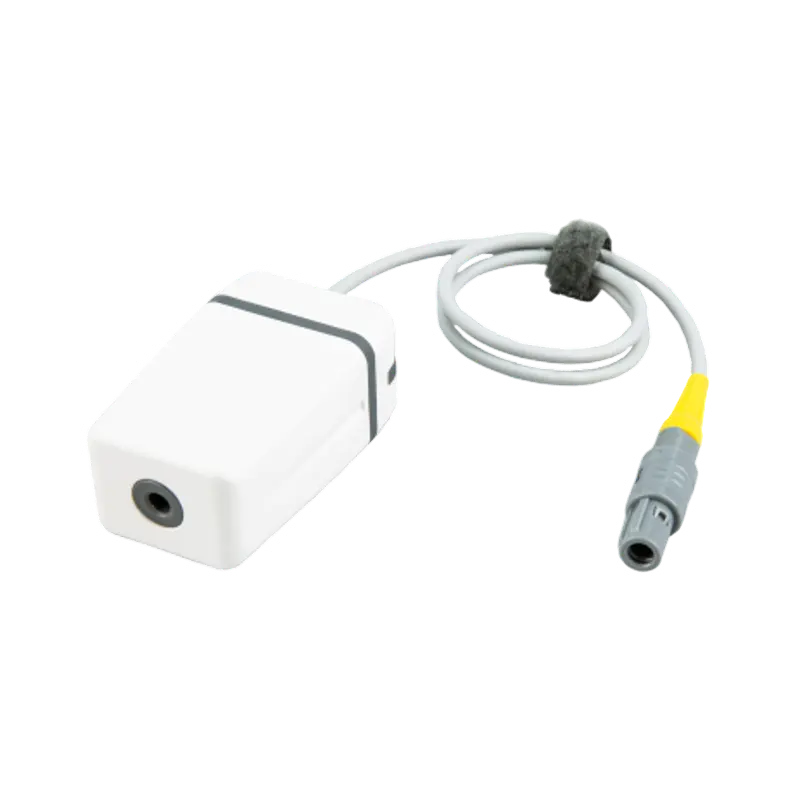
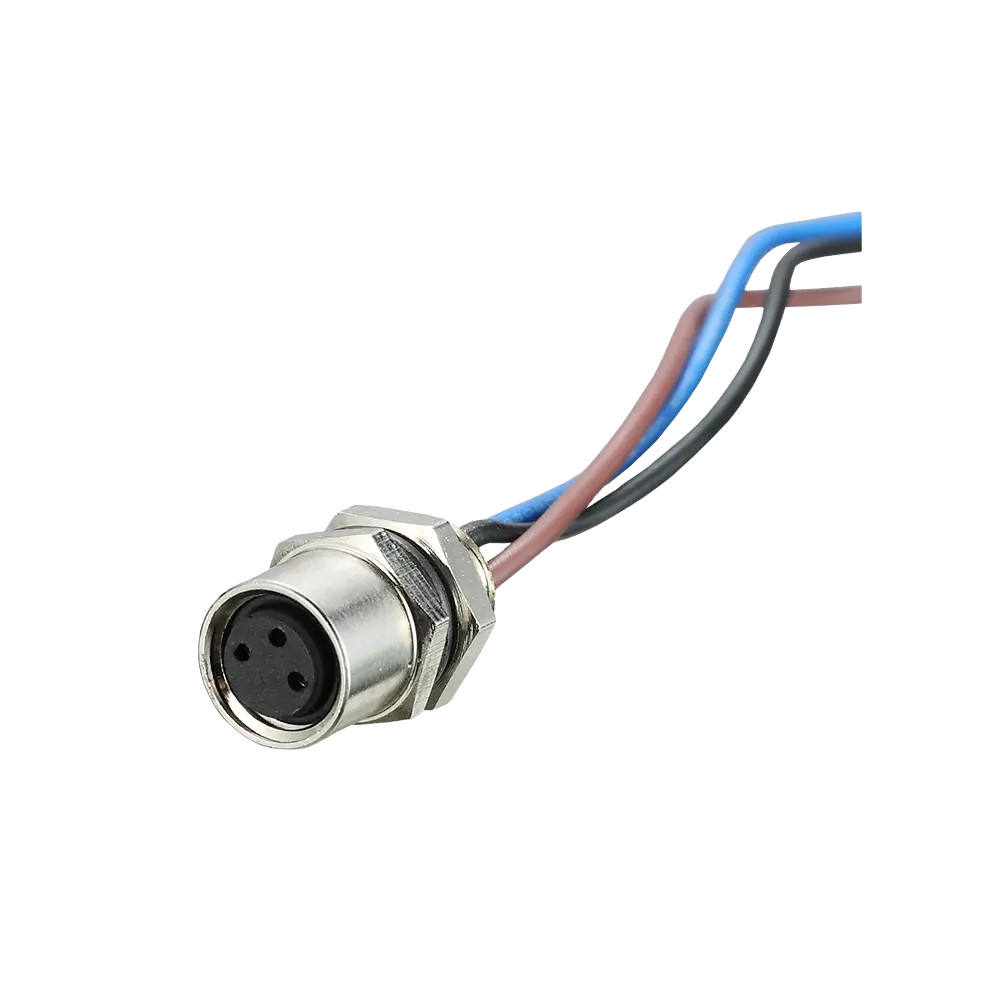
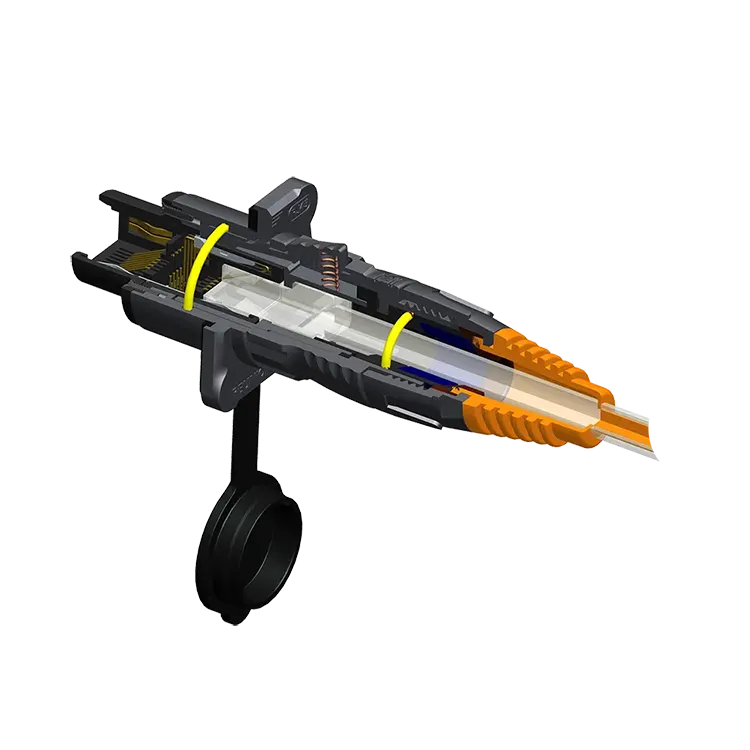
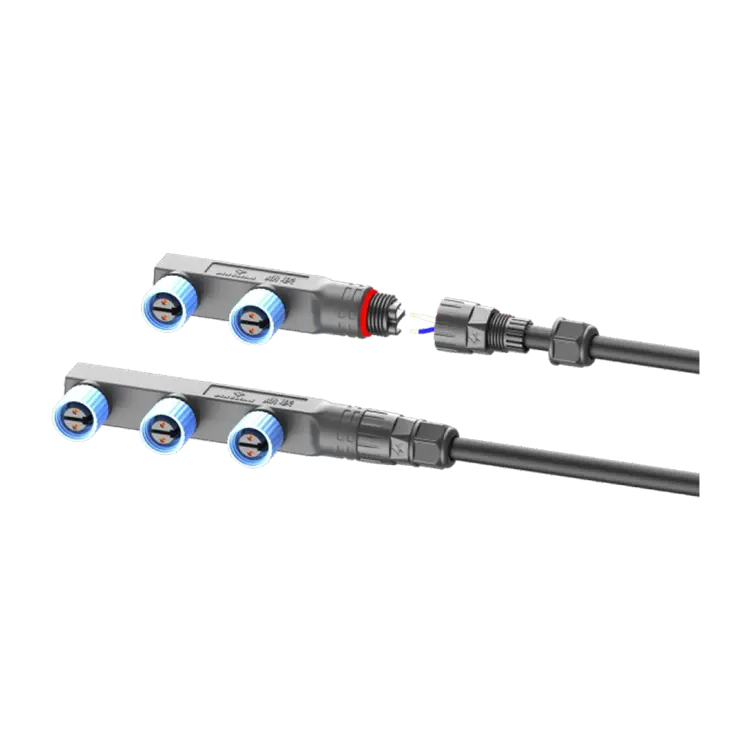
When selecting a waterproof connector, “How much water pressure can it withstand?” is often the first question asked. However, the answer is not a fixed value; it depends on the underwater environment the connector is designed for. Connectors used near cleaning equipment, in shallow-water operations, and in deep-sea exploration face different water pressure conditions, and the corresponding product specifications fall into different categories.
IP Ratings Do Not Equate to Depth Ratings
IP67 corresponds to temporary immersion, while IP68 corresponds to continuous immersion; however, the specific depth and duration for IP68 are defined by the manufacturer. Two waterproof connectors both labeled IP68 may have notably different pressure resistance. When selecting a product, it is important to confirm at what depth and for how long the product was tested, and whether the rating is based on actual pressure testing or a structural declaration.
Three Levels of Pressure Resistance
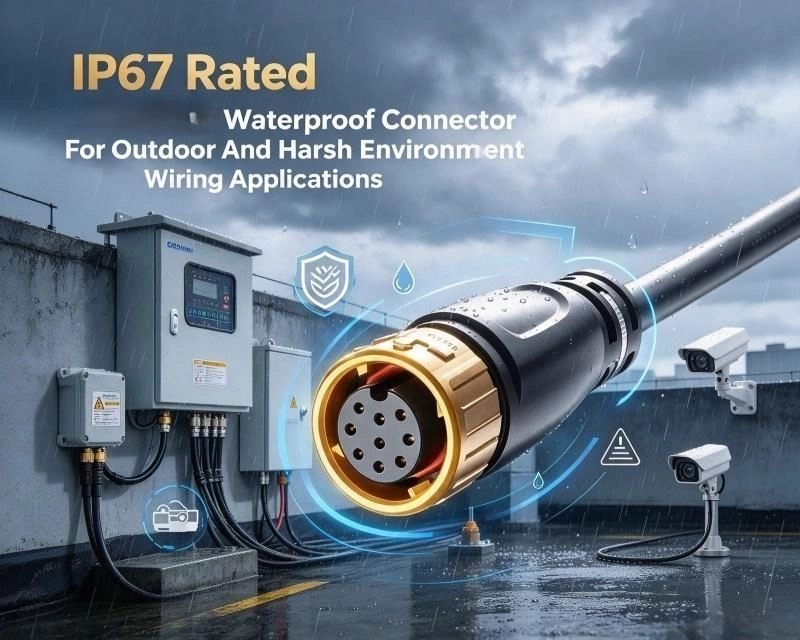
Protection Level: Primarily validated under IP67 and IP68 standards, typically at depths of 1 meter to several meters. Suitable for equipment rinsing, short-term submersion, and humid environments.
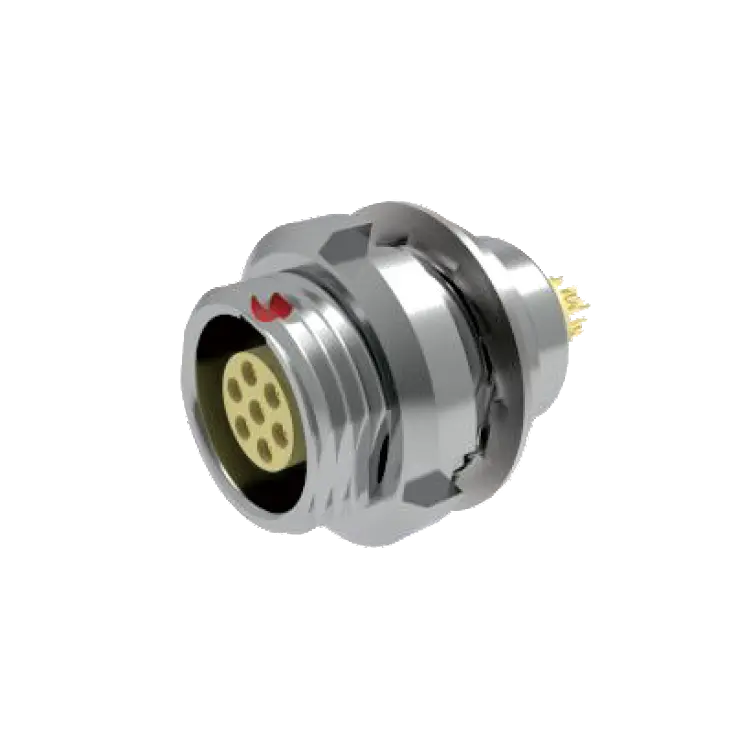
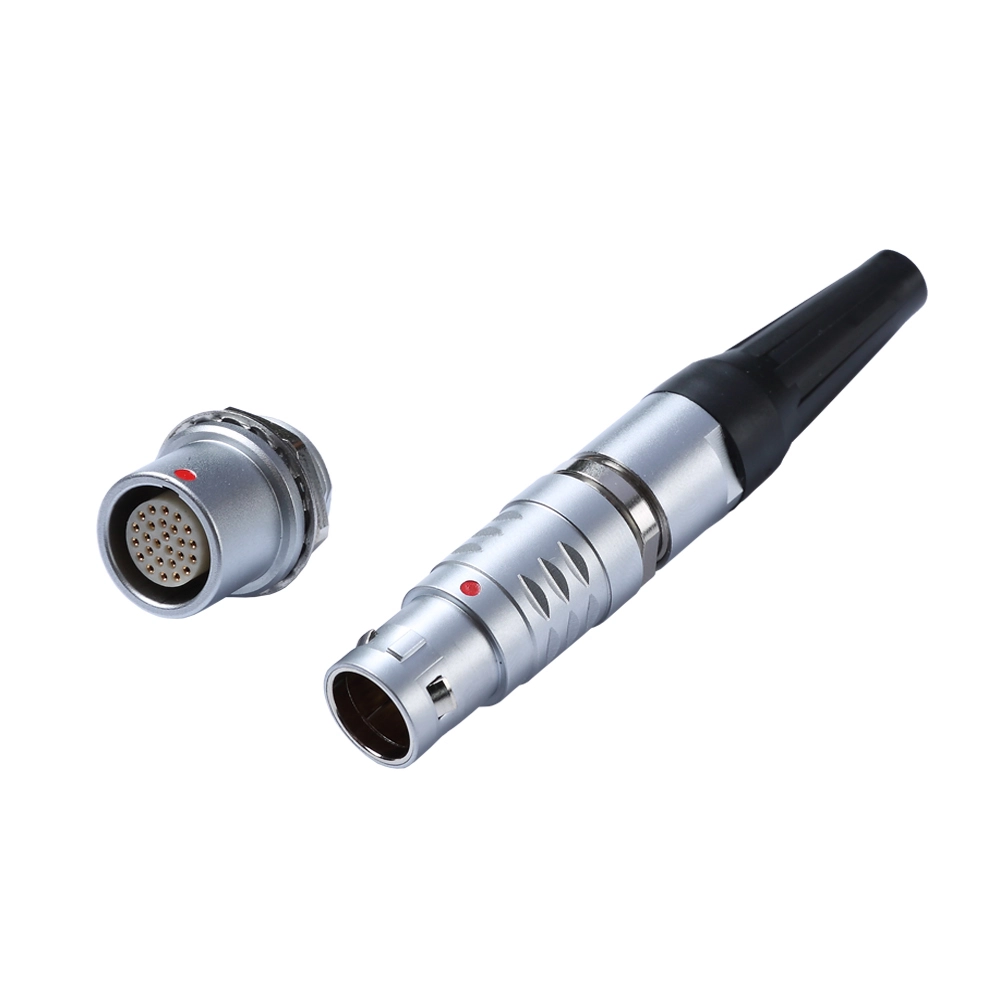
Medium-Depth Level: Pressure resistance ranges from several MPa to 10 MPa. The YSG series of cross-medium deep-water sealed connectors from Aerospace Electronics has a hydrostatic pressure rating of 10 MPa, rated for depths of several hundred meters.
Deep-Sea Level: Pressure resistance reaches tens of MPa. Some deep-sea connectors are rated for depths of 6,000 meters, corresponding to an external pressure of approximately 60 MPa, and must withstand high pressure, low temperatures, and long-term immersion simultaneously.
Reunion's Waterproof Connectors
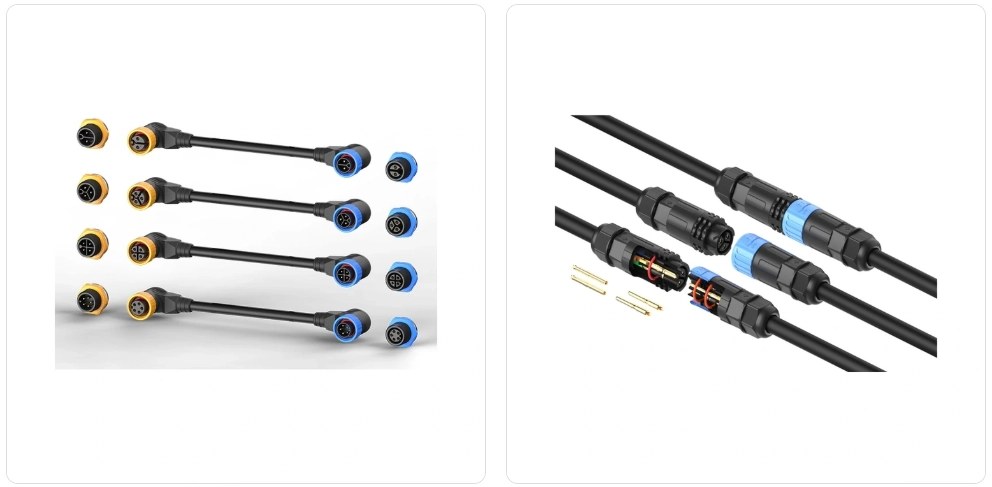
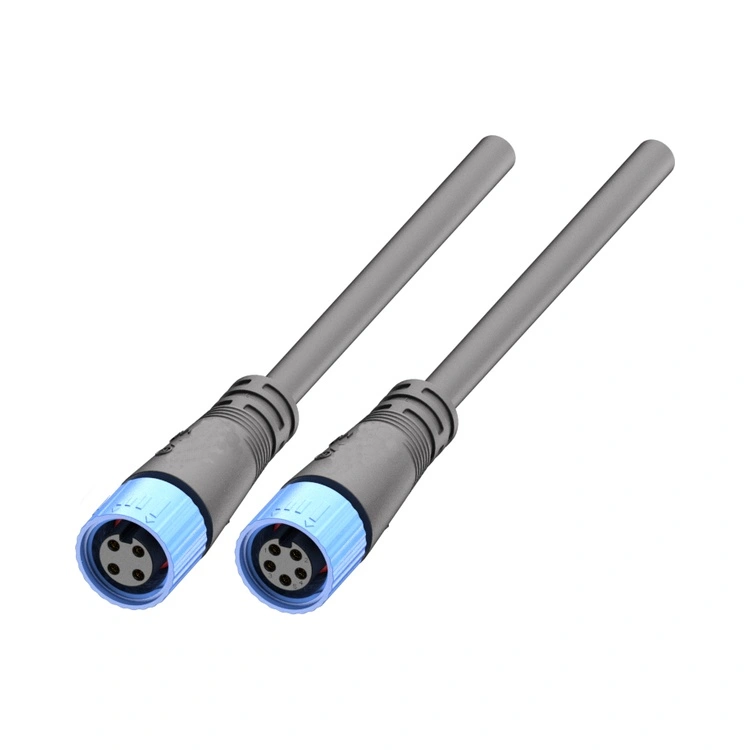
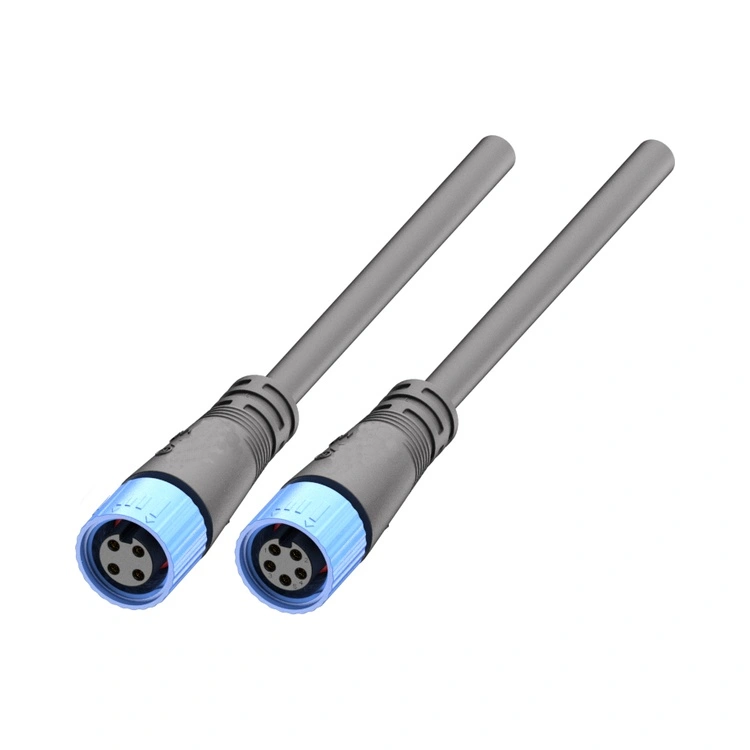
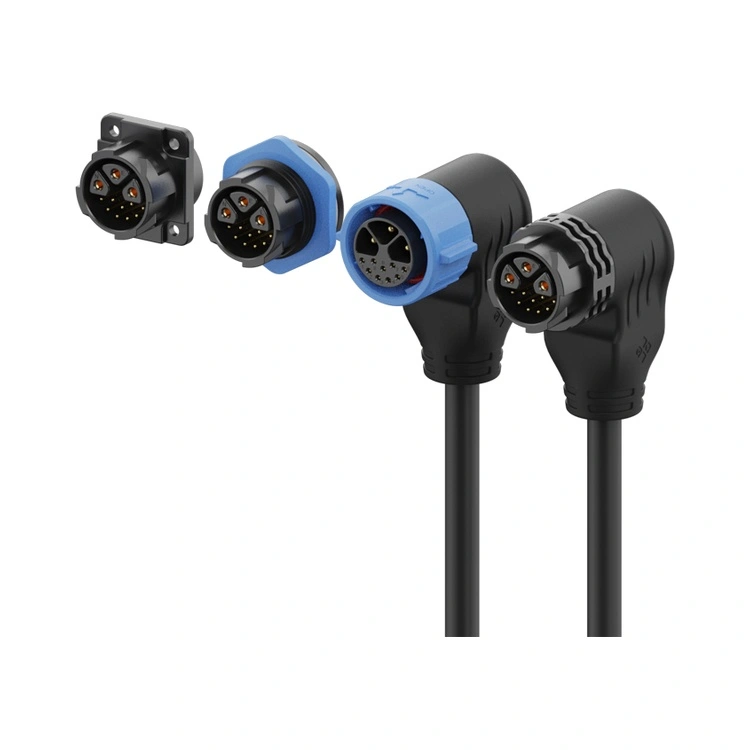
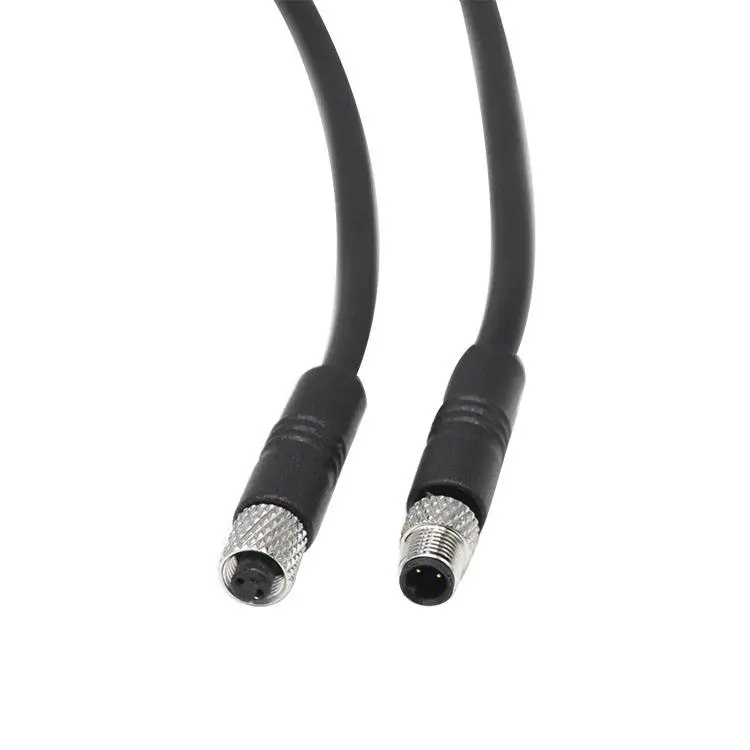
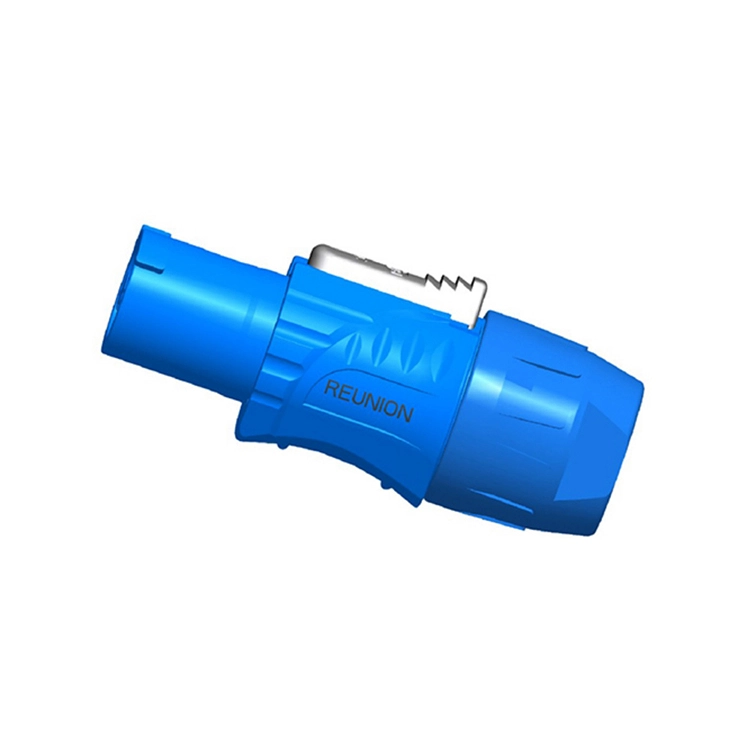
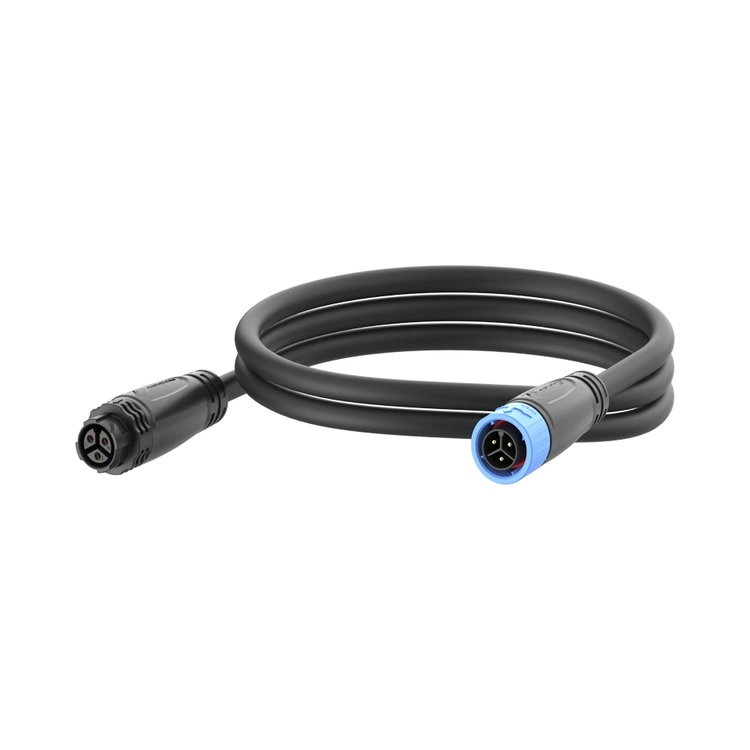
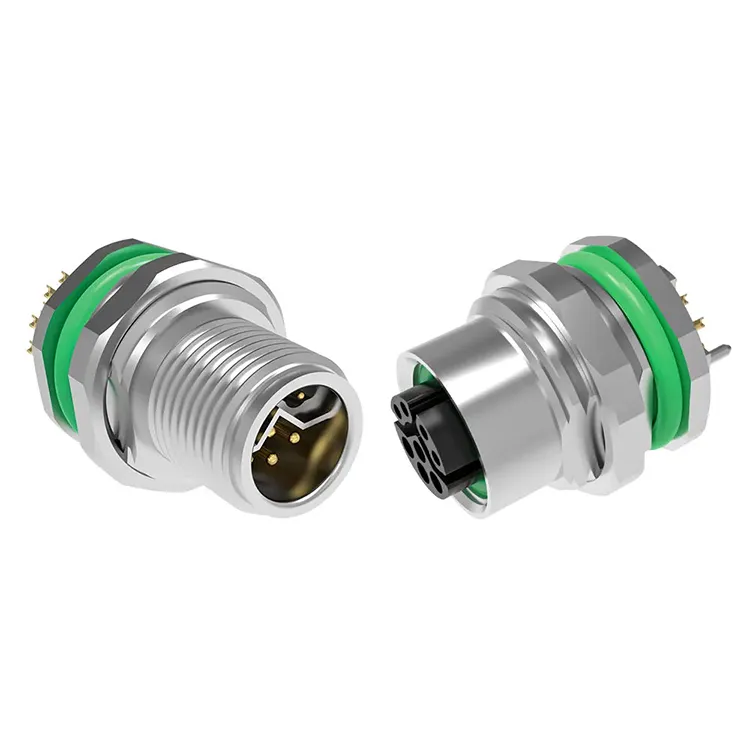
The M8 series of industrial waterproof connectors is rated IP67. Each batch is sampled for actual 30-minute immersion testing at a depth of 1 meter, rather than relying solely on material declarations. The M20 series of plastic waterproof connectors is rated IP68. It is available in 2- to 9-pin configurations with rated currents from 10 A to 20 A and an operating temperature range of -40 °C to +125 °C, designed for applications such as industrial automation, outdoor equipment, and cleaning environments.
Based on publicly available information, the pressure resistance specifications for Reunion products primarily focus on the IP protection rating. If an application involves continuous water pressure at depths of tens of meters or more, it is advisable to confirm with the supplier whether the product has undergone testing under the corresponding pressure conditions.
What to Ask When Selecting a Product
Is the water depth fixed or variable? Will the waterproof connector be continuously submerged or experience intermittent contact? Is waterproofing required in both mated and unmated states? These conditions determine the required sealing rating and validation methods. For shallow-water scenarios, an IP67 rating combined with immersion testing typically suffices; for continuous immersion, the specific test conditions for IP68 should be confirmed; and for deep-sea applications, specialized products should be selected that specify pressure resistance in MPa or meters and are supported by pressure test data.
Summary
Returning to the original question: the pressure resistance of waterproof connectors is not a parameter that can be addressed in isolation from the application scenario. IP ratings provide a classification of waterproofing methods, while the actual pressure resistance depth should be based on specific test conditions. Clearly define the equipment's operating depth, immersion method, and mated/unmated states, and then match product specifications accordingly. This is more practical than pursuing a higher rating code alone.
Reunion's waterproof connectors cover shallow- to medium-depth applications. For deeper, high-pressure environments, it is recommended to consult with the supplier to confirm the corresponding validation data based on specific operating conditions.
We use cookies to offer you a better browsing experience, analyze site traffic and personalize content. By using this site, you agree to our use of cookies. Privacy Policy