Shenzhen Reunion Electronics Co.,Ltd.
News

How Does a P Series Plastic Push-Pull Connector Improve Connection Reliability in Compact Devices?

2026-11-11 0 Leave me a message

Reliable electrical connections are essential for modern medical equipment, industrial instruments, electronic devices, and communication systems. However, traditional connectors can create challenges such as complicated installation, accidental disconnection, limited mounting space, and insufficient environmental protection. A P Series Plastic Push-Pull Connector offers a practical solution through its self-latching mechanism, lightweight plastic housing, flexible contact configurations, and convenient mating operation. This article explains its working principles, key advantages, technical considerations, and application scenarios to help engineers and purchasing professionals select a suitable connector for their projects.

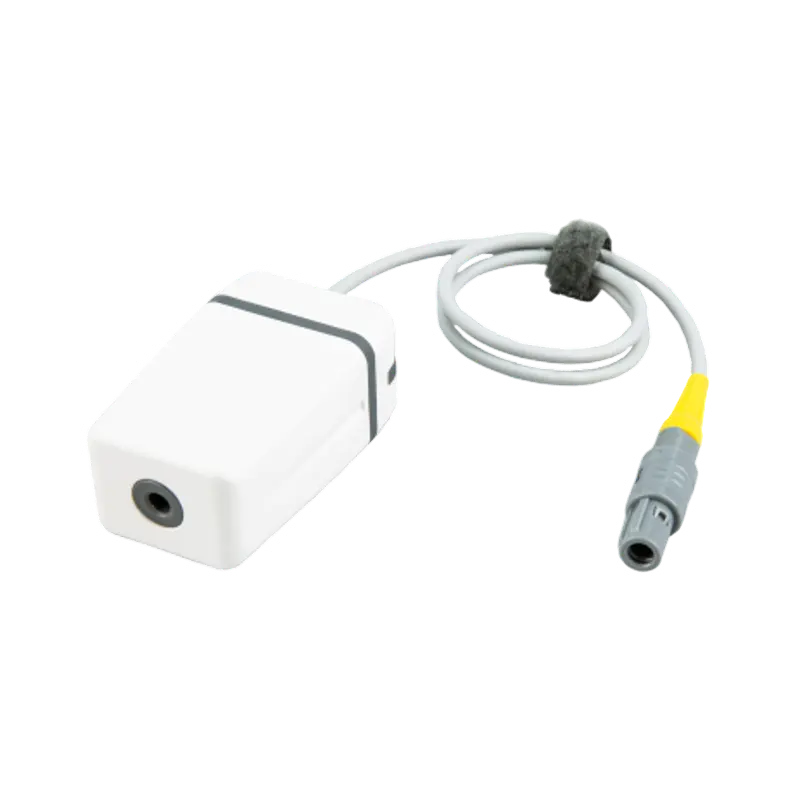
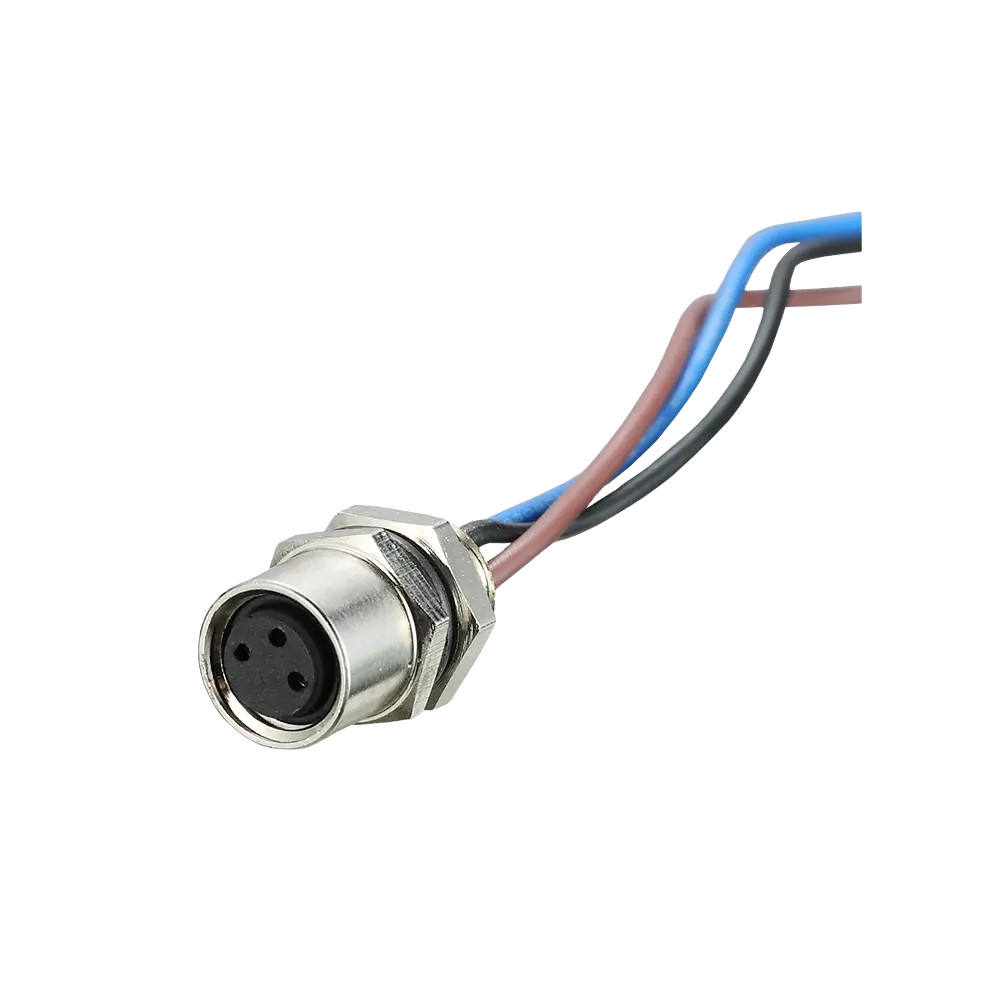
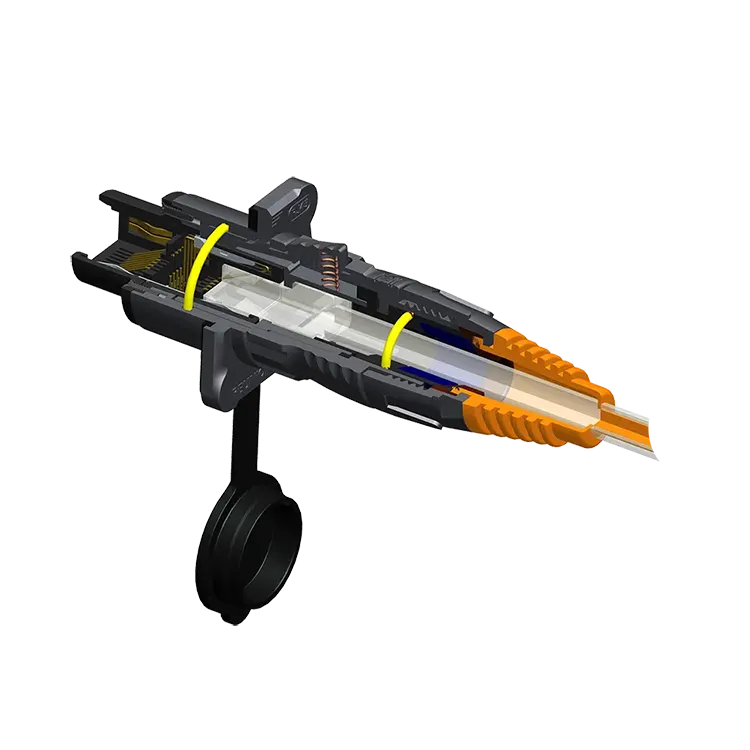
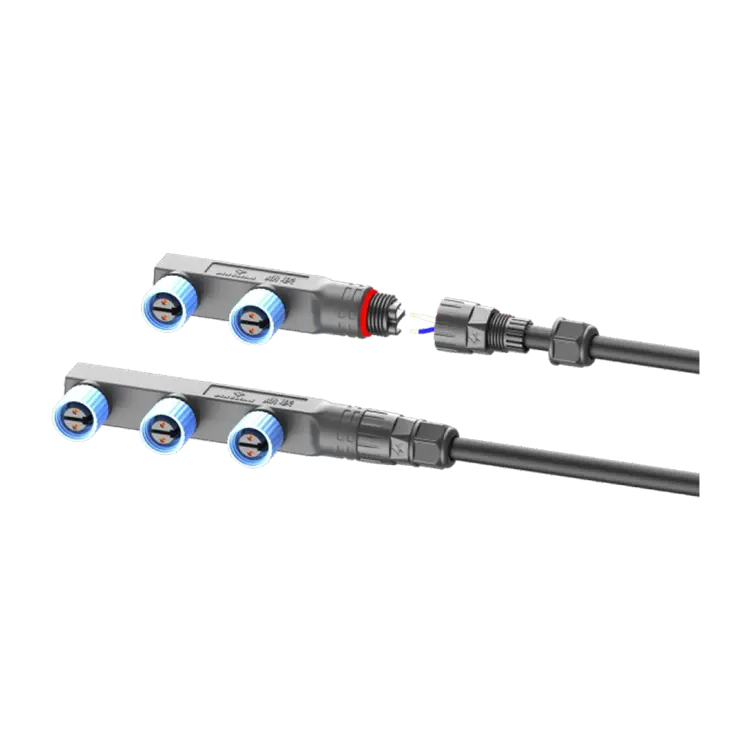
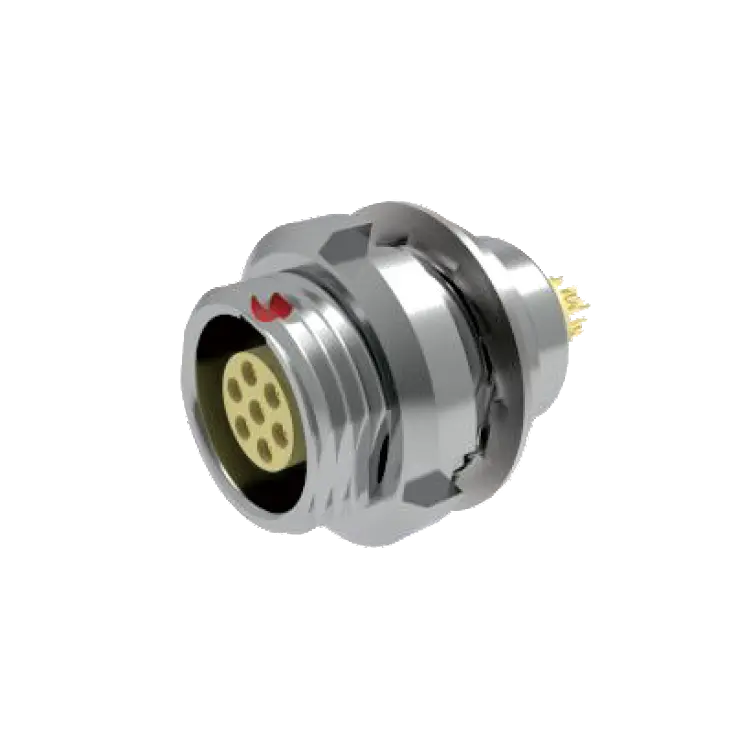
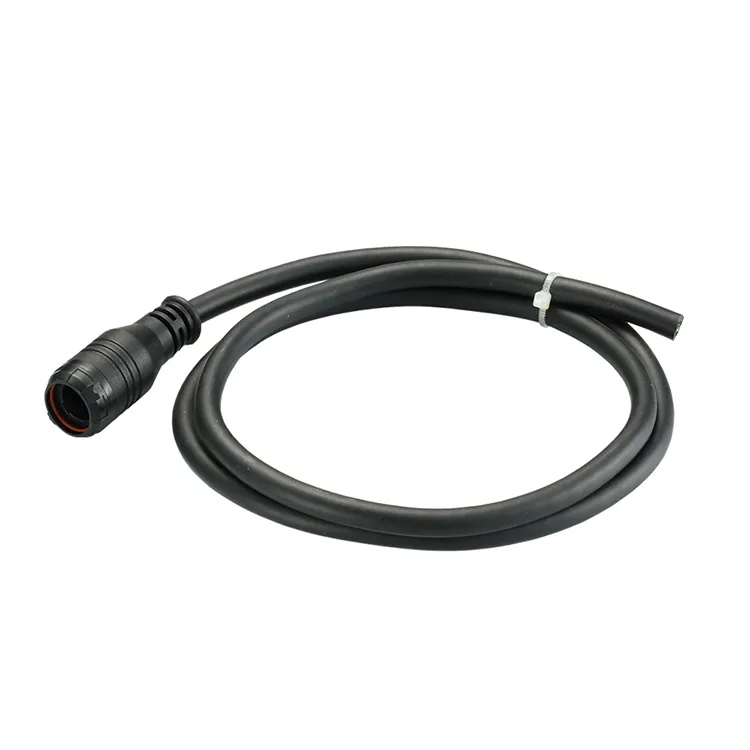
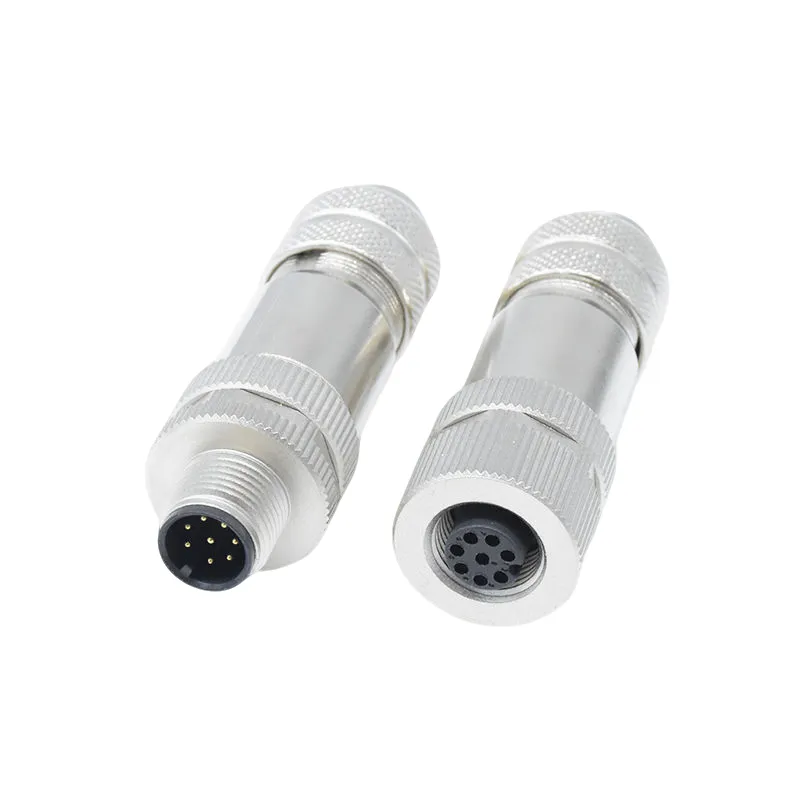
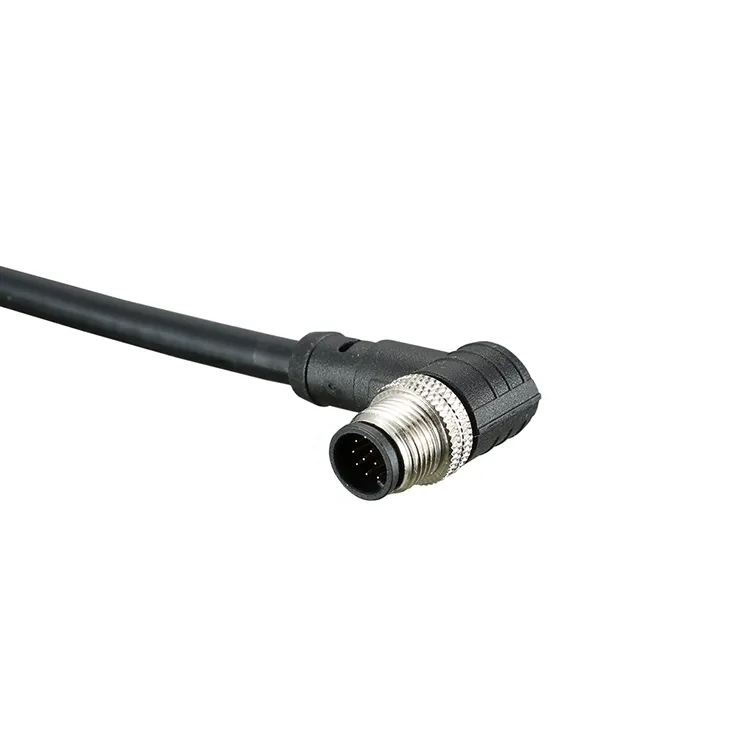
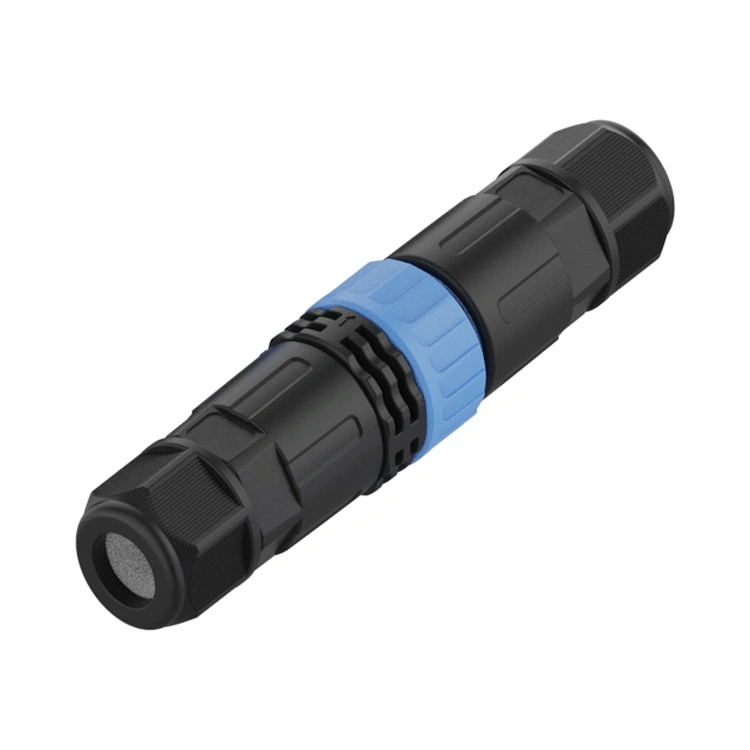
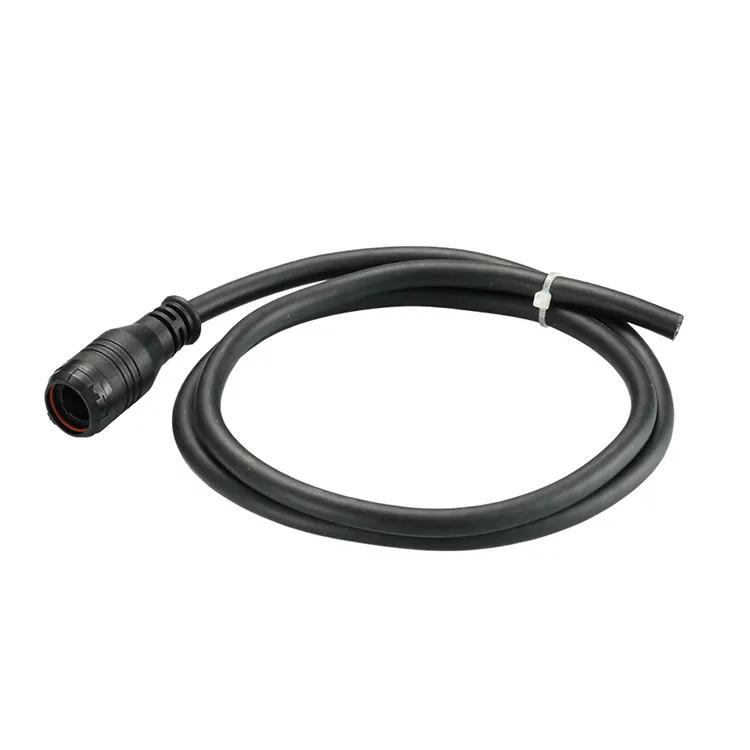
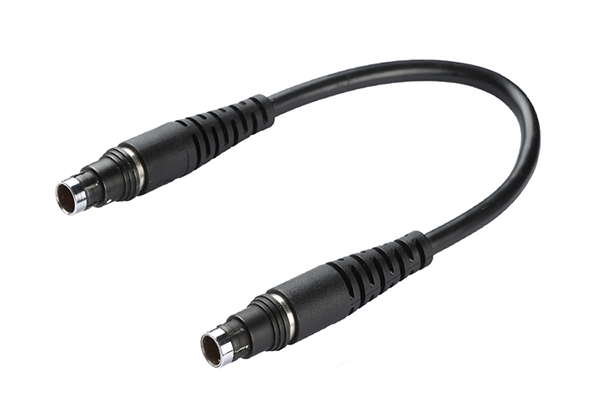
P Series Plastic Push-Pull Connector


1. Why Do Modern Devices Need More Reliable Connectors?

As electronic equipment becomes smaller, more sophisticated, and increasingly interconnected, the demands placed on electrical connectors continue to grow. A connector must do more than simply establish an electrical path. It should also provide mechanical stability, convenient operation, and compatibility with the working environment.

For equipment manufacturers, an unsuitable connector can lead to several practical problems:

  • Accidental disconnection: Vibration, movement, or cable tension may interrupt electrical connections during operation.
  • Time-consuming assembly: Complicated locking procedures can increase installation time and maintenance costs.
  • Limited installation space: Large connector housings may restrict internal layouts in compact electronic equipment.
  • Connection errors: Poor alignment and unclear connector positioning can cause incorrect mating.
  • Environmental exposure: Dust, moisture, and other external conditions may affect connection performance if the protection level is insufficient.

These issues are particularly important in medical instruments, testing equipment, industrial electronics, and audio-video systems, where dependable signal or power transmission is essential.

A well-designed plastic push-pull connector addresses several of these concerns by combining a quick connection mechanism with a compact circular structure. It allows equipment designers to simplify daily operation without overlooking electrical and mechanical requirements.


2. How Does a P Series Plastic Push-Pull Connector Work?

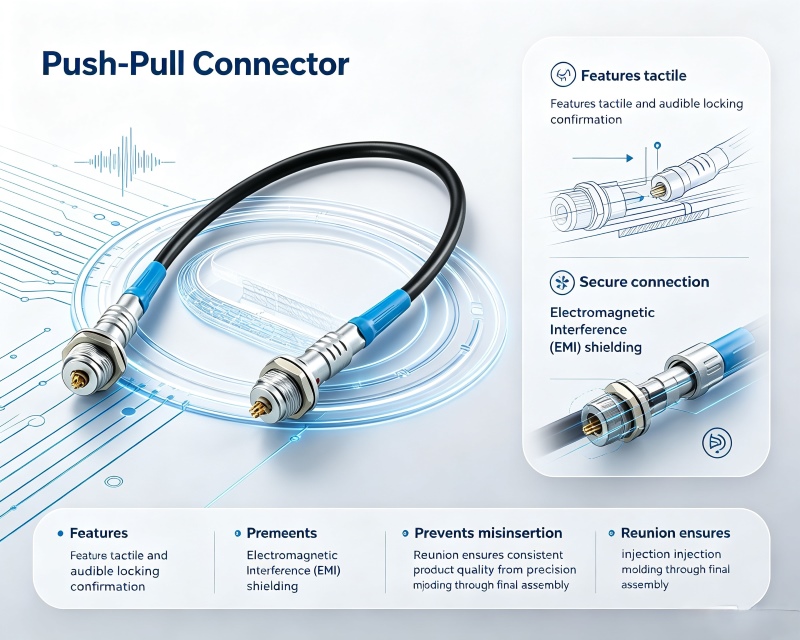
A P Series Plastic Push-Pull Connector uses a self-latching mechanism to establish a secure connection between compatible male and female connector components. Unlike conventional threaded connectors that require repeated rotation, the push-pull design allows users to complete mating through a straightforward pushing action.

The Push-Pull Self-Locking Mechanism

During connection, the plug is aligned with the corresponding receptacle and pushed into position. The internal locking structure engages automatically, helping maintain a stable mechanical connection.

When disconnection is required, the designated release mechanism is operated according to the connector design. The plug can then be removed without repeatedly unscrewing the connector body.

This mechanism provides several practical benefits:

  1. Quick connection and disconnection during routine equipment operation.
  2. Reduced dependence on threaded assembly procedures.
  3. Improved resistance to unintended separation when correctly mated.
  4. Convenient operation in installations where access is restricted.

Why Is Connector Alignment Important?

Reliable mating depends not only on the locking mechanism but also on correct alignment. P Series connectors offer keying options designed to help guide mating and reduce the possibility of incorrect orientation.

Standard key configurations and optional key variations can be considered according to the required connector arrangement. This is particularly useful when multiple connectors are installed close together or when equipment uses different electrical circuits.

Engineering Tip: Always confirm the compatible plug and receptacle models, key positions, contact arrangements, and mating orientation before placing a production order.

3. What Features Make P Series Connectors Practical?

The P Series combines a plastic housing with a push-pull locking structure, making it suitable for applications that require convenient connection, compact installation, and flexible electrical configurations.

01. Quick Self-Latching

The push-pull locking design simplifies mating and removal, helping reduce connection time during assembly and maintenance.

02. Lightweight Plastic Housing

Plastic construction provides a lightweight alternative for equipment where connector weight and housing material are important design considerations.

03. Multiple Contact Configurations

Different contact arrangements support a range of signal and power connection requirements, depending on the selected model.

04. Keying Options

Mechanical keying helps improve alignment and reduce mating errors in systems with multiple connector interfaces.

05. Flexible Mounting Styles

Available configurations include cable-mounted and PCB-related connection options, depending on the specific product model.

06. Environmental Protection Options

Selected models offer IP50 or IP65 protection configurations, providing options for different installation environments.

Compact Design for Space-Constrained Equipment

Space management is a common challenge in modern electronic product development. Equipment designers must accommodate circuit boards, wiring, control components, and mechanical structures within increasingly compact enclosures.

A circular plastic connector can help simplify interface planning. Its relatively lightweight construction and different mounting configurations provide additional flexibility when developing compact devices.

Support for Signal and Power Connections

Some P Series configurations are designed to accommodate different electrical contact arrangements, including multi-contact layouts. Depending on the selected insert and model, manufacturers can configure interfaces for specific power or signal transmission requirements.

For applications involving multiple circuits, engineers should carefully review contact allocation, electrical separation, and the required operating parameters before confirming the connector configuration.


4. Which Technical Specifications Should Engineers Check?

Choosing a connector based solely on appearance or product name can create compatibility problems later in the development process. Technical specifications should be reviewed carefully to ensure that the selected model meets the equipment's electrical, mechanical, and environmental requirements.

Specification What to Check Why It Matters
Contact Number Available pins and contact arrangement Ensures circuit compatibility
Rated Voltage Maximum permitted operating voltage Prevents electrical overstress
Rated Current Current capacity of each contact Supports safe power transmission
Protection Rating IP50, IP65, or other specified ratings Matches environmental conditions
Contact Termination Solder or PCB termination Determines assembly compatibility
Mounting Style Cable plug, receptacle, or panel mounting Ensures installation compatibility
Mating Durability Specified mating cycle rating Supports expected connection frequency
Key Configuration Standard or optional key positions Reduces incorrect mating

Understanding IP Protection Ratings

Environmental protection is one of the most important factors when selecting a plastic circular connector.

Depending on the product configuration, P Series connectors may be available with IP50 or IP65 protection ratings. These ratings should not be treated as interchangeable.

  • IP50: Provides protection against dust ingress that could interfere with equipment operation, but does not provide water protection.
  • IP65: Provides dust-tight protection and protection against water jets under the specified testing conditions.

It is important to confirm whether the stated rating applies to the fully mated connector assembly and whether additional cable or panel sealing requirements must be considered.

Electrical Performance and Contact Selection

Contact diameter, contact resistance, insulation resistance, rated voltage, and current capacity all influence connector performance. A model that is suitable for low-power signal transmission may not automatically meet the requirements of a higher-current application.

Engineers should also evaluate cable gauge, conductor material, contact termination, and the thermal conditions inside the equipment enclosure.

Important: Published specifications can vary between 1P and 2P configurations and individual models. Always request the relevant technical drawing and datasheet instead of assuming that every P Series connector shares identical electrical characteristics.

5. Where Are P Series Plastic Connectors Commonly Used?

The combination of a convenient locking mechanism, plastic construction, and multiple contact configurations makes P Series connectors suitable for different electronic and industrial applications.

Medical Equipment and Instruments

Medical equipment often requires dependable electrical connections and convenient cable replacement. Plastic push-pull connectors can be considered for compatible medical instruments, monitoring devices, diagnostic equipment, and other electronic systems.

However, the connector's material compatibility, cleaning requirements, electrical safety, and applicable medical-device standards must be verified for the intended application.

Testing and Measurement Equipment

Testing instruments frequently require connections that can be established and released during repeated measurement procedures. A push-pull connector simplifies routine operation and can help reduce the time spent managing cable interfaces.

Audio and Video Equipment

Professional electronic systems may require compact multi-contact connectors for signal transmission. Proper contact configuration and mechanical locking help maintain stable connections during equipment operation and transportation.

Industrial Electronics and Automation

Industrial instruments, control equipment, and electronic modules may benefit from quick-connect interfaces, particularly when regular inspection or component replacement is required.

Communication and Specialized Devices

Communication equipment and specialized electronic instruments can also use circular plastic connectors where their electrical ratings, installation requirements, and environmental protection characteristics are appropriate.

Application Primary Requirement Selection Focus
Medical instruments Reliable connection and material compatibility Contact layout and applicable standards
Testing equipment Convenient repeated mating Locking mechanism and durability
Audio-video systems Stable signal transmission Contact arrangement and shielding
Industrial electronics Mechanical stability Environmental protection and cable design
Communication devices Compact installation Mounting style and electrical compatibility

6. How Can Buyers Choose the Right Connector?

For purchasing managers and engineering teams, selecting a suitable connector requires more than comparing product prices. A systematic evaluation can help prevent installation problems, unexpected redesign expenses, and unnecessary replacement costs.

Step 1: Define the Electrical Requirements

Start by identifying the number of contacts, rated voltage, operating current, signal type, and contact arrangement. These details help narrow down the appropriate connector configuration.

Step 2: Confirm the Installation Method

Determine whether the equipment requires a straight cable plug, panel-mounted receptacle, PCB connection, or another termination style. The connector dimensions and mounting structure should match the equipment layout.

Step 3: Evaluate the Working Environment

Consider dust, moisture, vibration, temperature, cleaning procedures, and other environmental conditions. Select the protection rating based on actual operating requirements rather than general assumptions.

Step 4: Check Mechanical Compatibility

Verify the locking mechanism, key configuration, connector dimensions, and compatible male-female combination. If the connector will be used in a multi-interface system, keying requirements deserve particular attention.

Step 5: Request Samples and Technical Drawings

Before moving into mass production, request samples for physical evaluation. Test mating performance, installation clearance, cable compatibility, and electrical behavior under representative operating conditions.

Step 6: Evaluate Long-Term Supply Capability

For recurring production projects, consider manufacturing consistency, customization support, quality management, communication efficiency, and delivery planning.

A connector supplier should be able to provide clear product documentation and help identify a suitable configuration based on the customer's actual application.


7. How Can Installation and Maintenance Problems Be Reduced?

Even a well-designed connector may experience performance issues if it is installed or handled incorrectly. Following appropriate assembly and maintenance practices helps protect the connection system throughout its service life.

Follow Correct Mating Procedures

Align the plug with the corresponding receptacle before insertion. Avoid forcing the connector into position when resistance occurs. Incorrect alignment can damage contacts or mechanical components.

Use Compatible Cable Assemblies

Wire gauge, cable diameter, conductor material, and termination methods should match the connector design. Improper cable selection may affect electrical performance and mechanical reliability.

Inspect Contacts and Housing Regularly

Check for visible damage, contamination, corrosion, or deformation. Damaged components should be evaluated and replaced when necessary rather than repeatedly used.

Avoid Excessive Cable Tension

Although the self-latching mechanism helps prevent unintended disconnection, it should not be treated as a substitute for proper cable management. Provide suitable cable routing and strain relief to minimize mechanical stress.

Follow Environmental Protection Requirements

For models with a specified waterproof or dust-protection rating, ensure that the connector is correctly assembled and used under the conditions covered by its rating. Unmated connectors and incorrectly installed accessories may not maintain the same protection level.


8. What Should You Expect from a Connector Manufacturer?

Choosing the right manufacturing partner is an important part of a successful connector procurement project. Beyond product availability, buyers need a supplier that understands application requirements and can provide practical technical support.

Shenzhen Reunion Electronics Co.,Ltd. specializes in electronic and electrical connector products, including push-pull circular connectors, industrial waterproof connectors, power connectors, and customized cable assemblies.

Its P Series Plastic Push-Pull Connector range includes 1P and 2P configurations designed for different connection requirements. Depending on the selected model, customers can evaluate options involving contact arrangements, plastic housing, key configurations, and mounting styles.

For equipment manufacturers developing medical instruments, testing devices, industrial electronics, or other specialized products, selecting the appropriate connector configuration is essential to achieving reliable integration.

What Information Should You Provide When Requesting a Quote?

To help a manufacturer recommend a suitable model and prepare an accurate quotation, buyers should provide the following information:

  • Required connector series and model, if already identified.
  • Number of contacts and male-female configuration.
  • Rated voltage and operating current.
  • Required IP protection rating.
  • Cable specifications, including wire gauge and cable length.
  • Mounting and termination requirements.
  • Expected order quantity and annual demand.
  • Drawings, photographs, or samples of the existing connection interface.

Providing these details at the beginning of the purchasing process helps reduce communication delays and makes technical evaluation more efficient.


9. Frequently Asked Questions

Q1: What is a P Series Plastic Push-Pull Connector?

A P Series Plastic Push-Pull Connector is a circular electrical connector featuring a plastic housing and a self-latching push-pull connection mechanism. It is designed to provide convenient mating and disconnection for compatible electronic and electrical equipment.

Q2: What is the main advantage of a push-pull connector?

Its primary advantage is convenient operation. Users can establish a mechanical connection through a pushing action and release it using the designated mechanism, reducing the need for repeated threaded assembly.

Q3: Are P Series plastic connectors waterproof?

Selected P Series models are available with IP50 or IP65 protection configurations. The actual protection level depends on the specific model and assembly conditions. Buyers should confirm the rating of the complete connector configuration before use.

Q4: What is the difference between 1P and 2P Series connectors?

They are different product configurations within the P Series family. Their dimensions, contact arrangements, and compatible components may differ. Consult the manufacturer's product drawings to determine the appropriate configuration.

Q5: Can P Series connectors be used for medical equipment?

They can be considered for compatible medical electronic applications. However, the selected connector must meet the equipment's electrical, mechanical, material, cleaning, and regulatory requirements. Application suitability should be verified before integration.

Q6: Are different contact arrangements available?

Yes. The P Series product family includes different multi-contact configurations. The exact number of contacts and available arrangements depend on the selected model and insert design.

Q7: Can a P Series connector support PCB mounting?

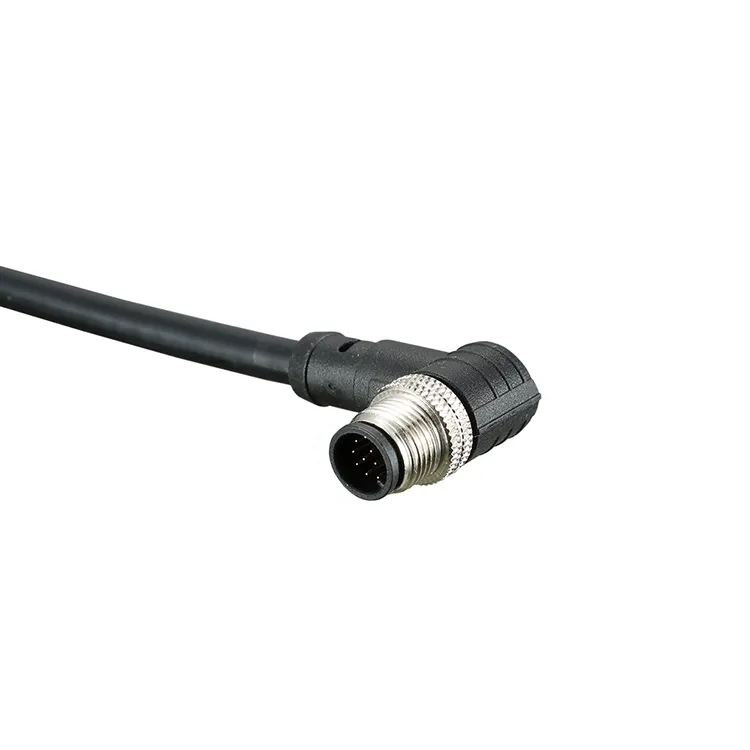
Selected configurations support PCB-related termination options, including straight or right-angle arrangements where specified. Confirm the pin layout, mounting dimensions, and PCB compatibility with the supplier.

Q8: How can I select the correct P Series connector?

Identify the required contact number, voltage, current, protection rating, mounting style, cable specifications, and mating configuration. Providing a technical drawing or product sample can also help the manufacturer recommend a suitable model.

Q9: Can manufacturers provide customized connector solutions?

Customization possibilities depend on the manufacturer's engineering capabilities and the project requirements. Buyers can discuss cable assemblies, contact configurations, termination methods, and other technical details with the supplier.

Q10: What should I check before ordering connectors in bulk?

Confirm the final model number, technical drawings, electrical specifications, compatible accessories, sample test results, order quantity, packaging, and delivery schedule. These checks help reduce compatibility risks during mass production.


10. Final Considerations

A reliable connector plays an important role in the overall performance of electronic equipment. For projects requiring convenient operation, compact installation, and dependable mechanical locking, a P Series Plastic Push-Pull Connector can be a practical option.

However, the right selection always depends on the actual application. Electrical ratings, contact arrangements, environmental protection, mounting requirements, and mechanical compatibility should all be evaluated before finalizing a design.

By working with an experienced connector manufacturer and providing clear technical requirements, equipment developers and purchasing teams can improve product compatibility, simplify assembly, and build more dependable electrical connection systems.

Looking for a Reliable P Series Plastic Push-Pull Connector?

Finding the right connector configuration is essential for stable electrical connections and efficient equipment integration. Shenzhen Reunion Electronics Co.,Ltd. offers a range of connector solutions to support different industrial and electronic applications.

Whether you need standard P Series connectors, customized configurations, or cable assembly solutions, our team is ready to discuss your project requirements and help identify a suitable option.

Contact us today with your drawings, specifications, or application details to explore the right connector solution for your business.

Related News
Leave me a message
X
We use cookies to offer you a better browsing experience, analyze site traffic and personalize content. By using this site, you agree to our use of cookies. Privacy Policy
RejectAccept