Shenzhen Reunion Electronics Co.,Ltd.
News

How to Select a Power and Signal Connector: 7 Key Factors for Engineers

2026-11-19 0 Leave me a message

When designing automation equipment, robotics, test instruments or energy systems, engineers often pick a hybrid interconnect based only on footprint or price. This shortcut frequently leads to overheating, signal distortion, intermittent connection or premature field failure. A power and signal connector carries two different types of circuits at once, so it needs stricter evaluation than single-function connectors. Below are seven practical factors engineers must verify before finalizing this interconnect solution for their design.


What electrical ratings and thermal derating rules should be confirmed?

Start with the electrical baseline for both power pins and signal pins. Confirm continuous current, peak inrush current, working voltage and dielectric withstand voltage from the datasheet. For power circuits, do not use the nominal rating directly. Apply thermal derating especially when multiple power contacts are loaded inside one combined interconnect. Adjacent powered pins accumulate heat and lower the actual safe current capacity. For signal circuits, check contact resistance, insulation resistance and crosstalk. If high-speed signal transmission is involved, impedance matching and shielding performance of the power and signal connector become non-negotiable.


How to guarantee signal integrity and EMC shielding performance?

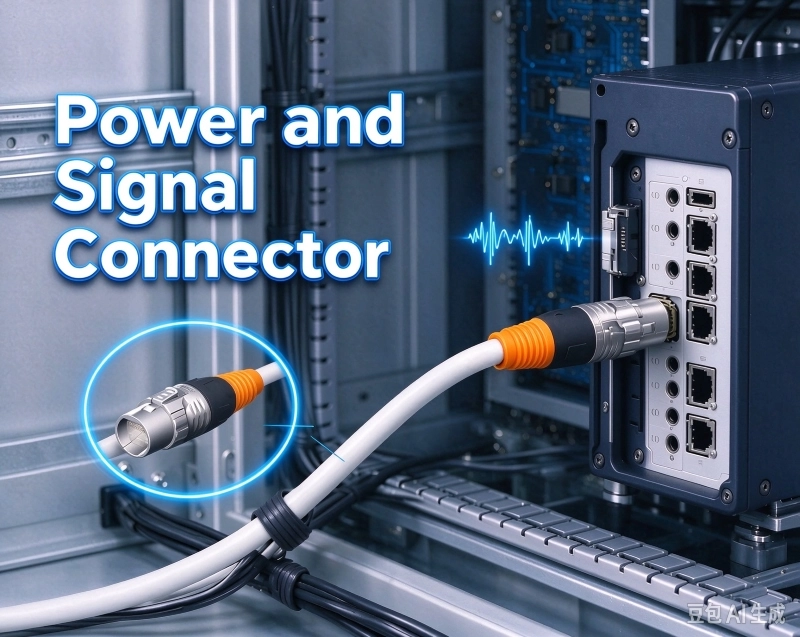
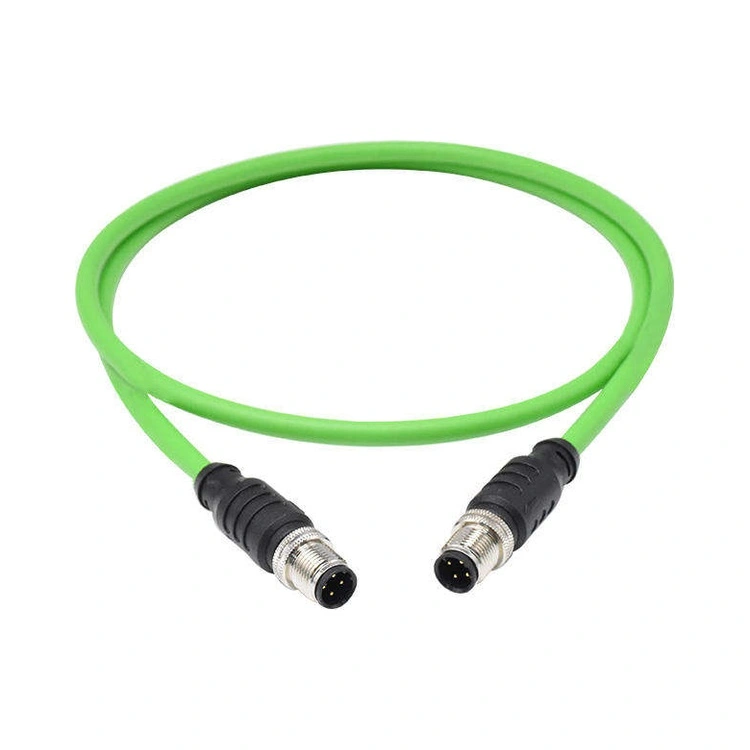
Mixing power and signal inside one housing creates noise risks. Power transients can couple into signal lines and corrupt sensor feedback or communication data. Engineers should confirm whether the combined interconnect separates power cavities and signal cavities and how the shield is terminated. Shield continuity from cable braid to connector shell reduces EMI. For industrial buses such as Ethernet, ensure the assembly supports the required data rate without signal attenuation. Poor shielding is one of the most common hidden defects after a prototype enters mass production.


Which mechanical structure and locking method fit your application?


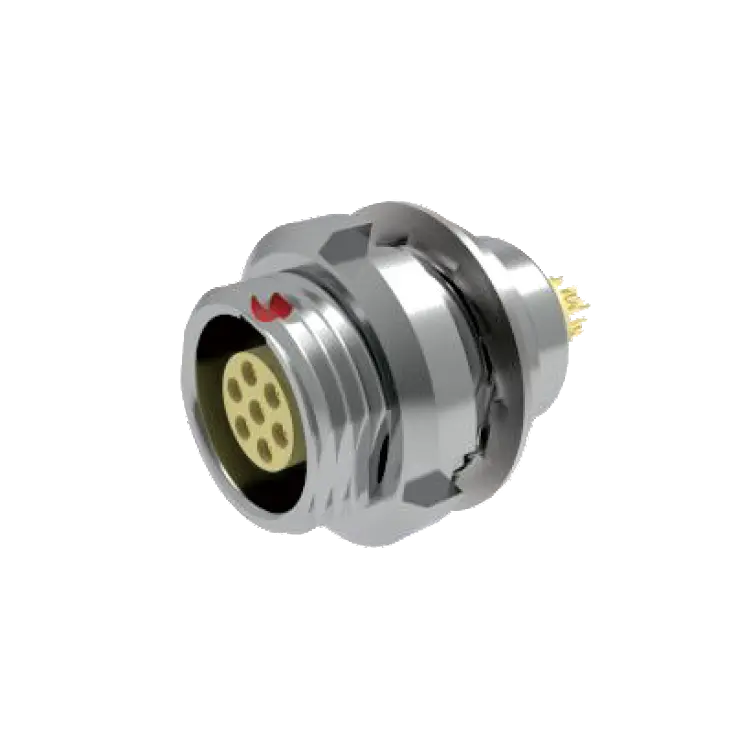
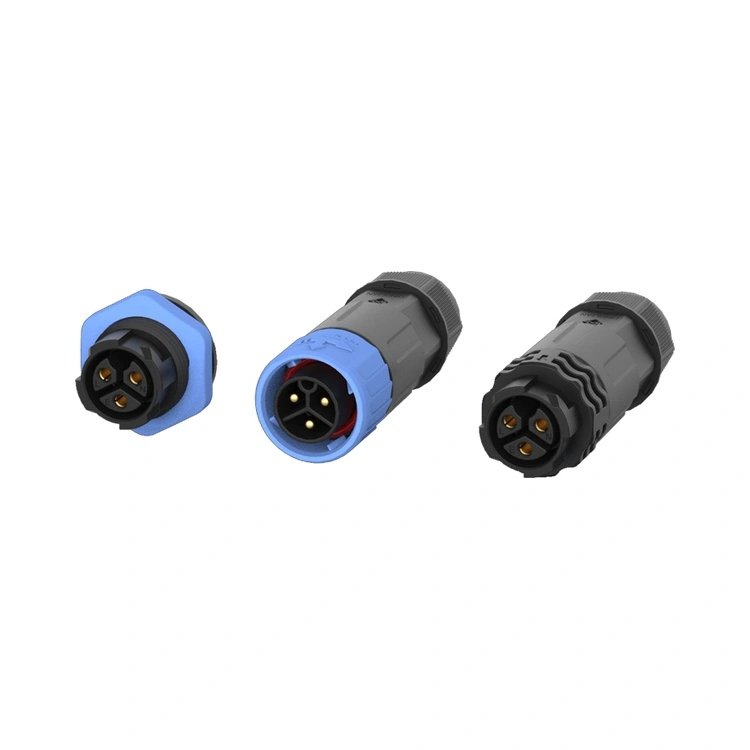
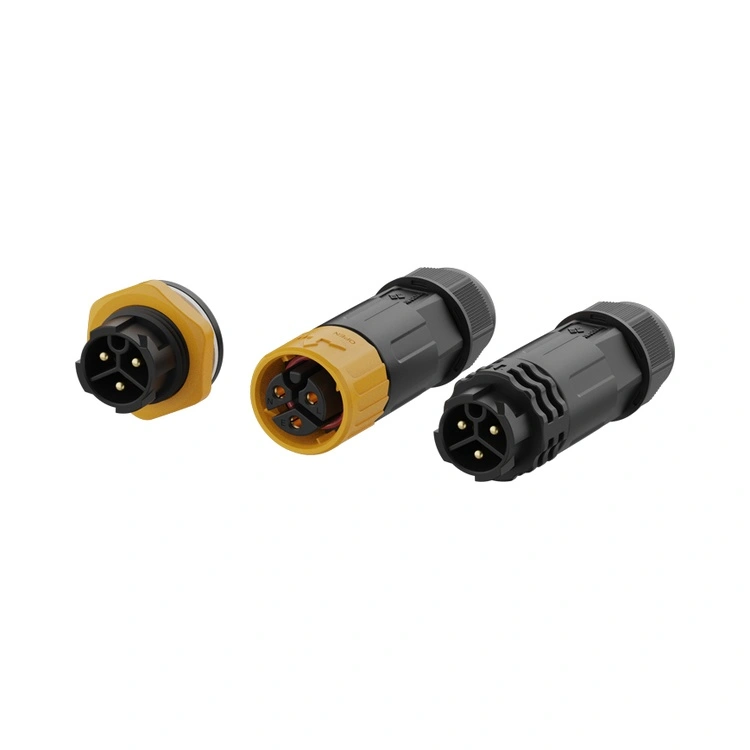
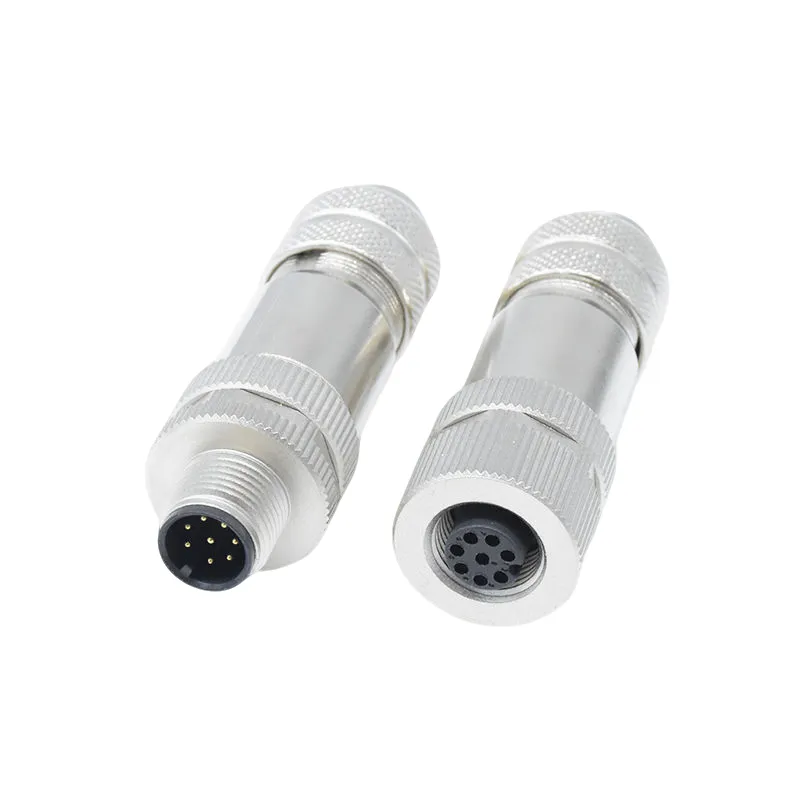
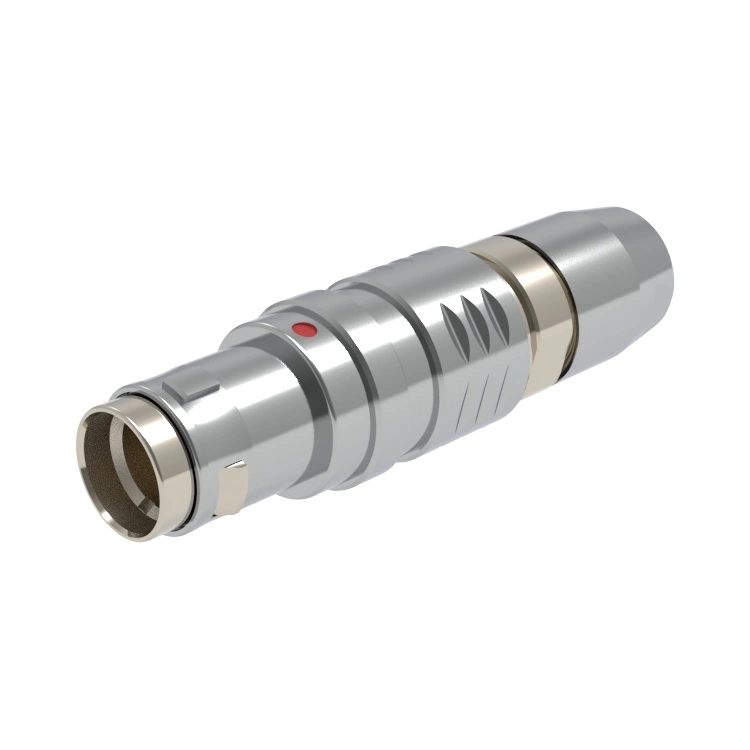
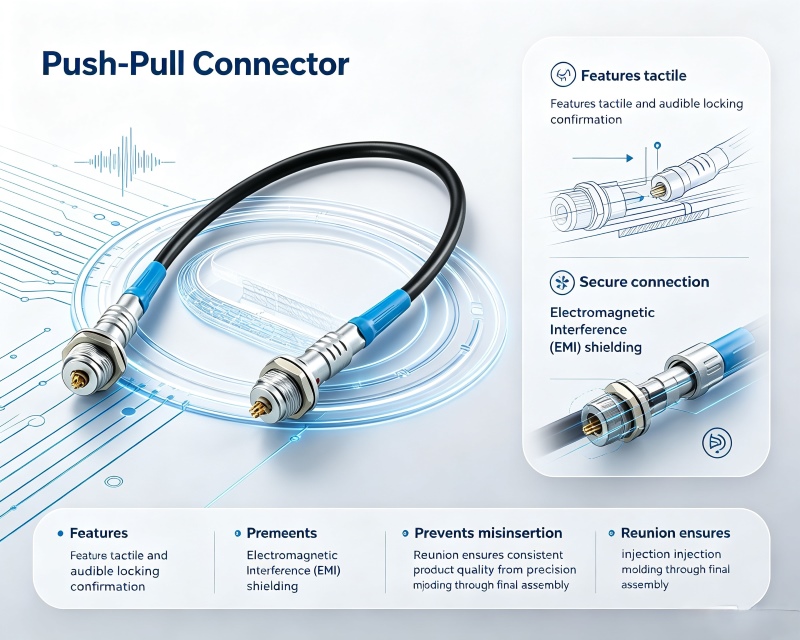
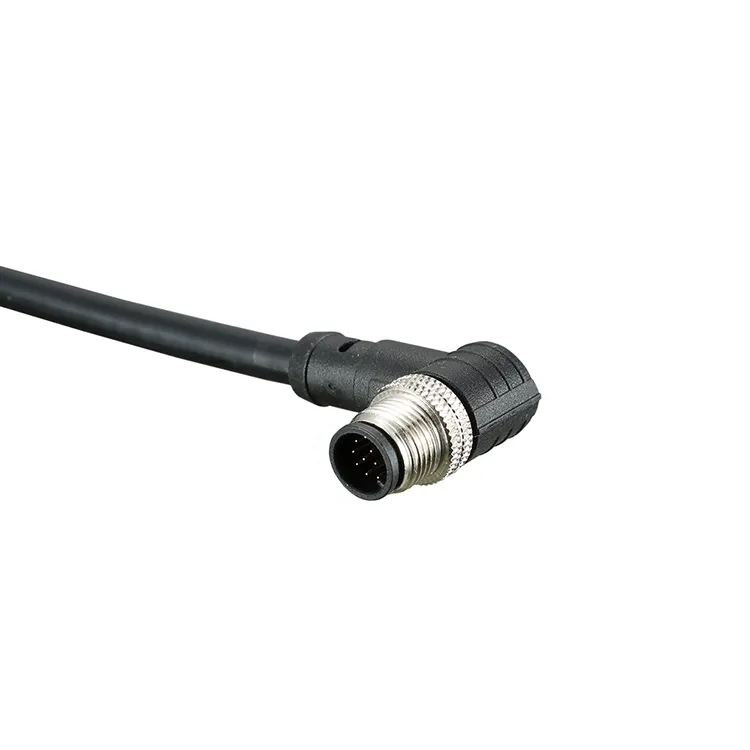
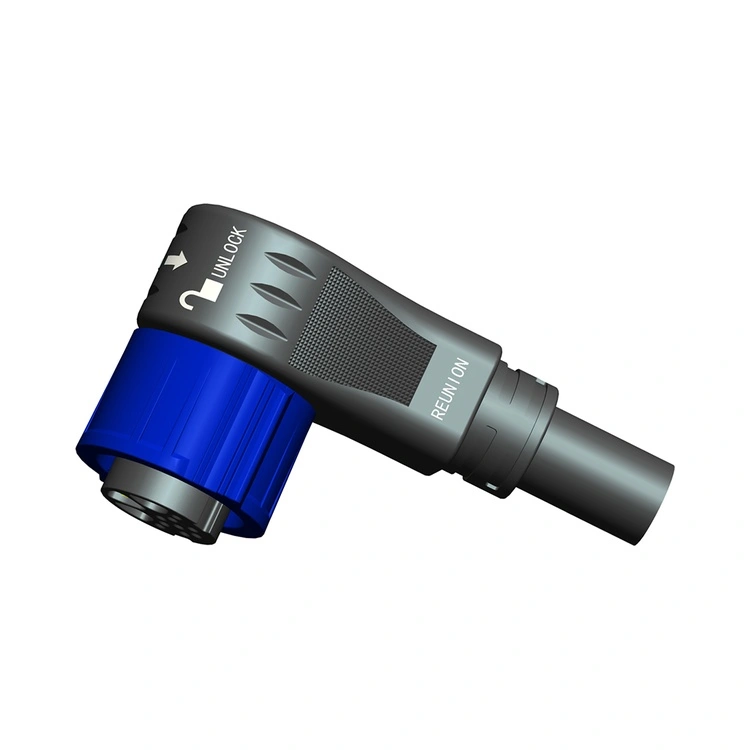
Vibration and shock are major failure triggers for industrial interconnects. Check the locking mechanism of the connector assembly. Push-pull, threaded, bayonet or snap-lock. Each locking style fits different service scenarios. Push-pull structures support quick blind mating while threaded locking performs better under sustained vibration. Also verify polarization and keying coding to prevent wrong insertion. Mating cycle rating is another key point. Field-service equipment needs a power and signal connector rated for hundreds or thousands of mating cycles whereas sealed internal connections may only require limited cycles.


Does the housing material and protection level match the working environment?

Match the interconnect’s IP rating to the actual installation environment. IP65, IP67 or IP68 are widely used for outdoor, cabinet-side and near-machine mounting. Check operating temperature range, UV resistance and tolerance to oil, coolant or cleaning chemicals. Housing plastic and contact plating determine long-term stability. Gold plating is preferred for low-level signal contacts to avoid fretting corrosion while tin or silver plating can be selected for power contacts under stable contact force. The wrong housing material will make the component crack or lose sealing after long exposure.


Is the pin layout and termination design compatible with your harness?

A hybrid interconnect must reserve proper pin count and pin arrangement. Dedicated power pins, ground pins, signal pins and spare pins. Confirm the wire gauge range it accepts and match the termination method. Crimp, solder or screw clamp. Crimp contacts suit high-volume harness production. Screw connections are easier for on-site wiring. Strain relief design matters too. Without reliable strain relief, pulling the cable will transfer force directly onto the internal contacts and cause open circuits.


What safety standards and certifications are required for your project?

Different industries require different compliance certificates. Industrial automation, medical equipment and new energy systems follow distinct safety norms. Check whether the power and signal connector has passed relevant certification for voltage, flame retardancy and leakage. Creepage and clearance distances between power and signal pins must meet standard requirements. Skipping compliance review will block product approval even if the assembly works fine in lab tests.


Can the supplier provide stable supply and effective technical support?

A qualified hybrid interconnect is not only a component that meets specs but also one that can maintain stable quality over years of mass production. Engineers should evaluate component availability, lead time and batch consistency. For custom pin layouts or special shielding requirements, confirm if the supplier can provide sample testing, mating support and design documentation. Early technical communication helps avoid redesign cycles when standard products cannot fit the system architecture.


Final Words

A reliable power and signal connector balances electrical performance, mechanical robustness, environmental adaptability and manufacturability. Instead of choosing an interconnect from catalog pictures only, run bench tests on temperature rise, vibration and signal integrity with your real cable and harness assembly. If you are evaluating industrial hybrid interconnect solutions, Reunion provides configurable pin layouts, shielding options and stable batch quality, supporting sample validation for automation and robotic projects.


Related News
Leave me a message
X
We use cookies to offer you a better browsing experience, analyze site traffic and personalize content. By using this site, you agree to our use of cookies. Privacy Policy
RejectAccept